Choosing the right Cold Plunge Cooling Unit can determine whether your daily plunge feels controlled or frustrating. The best system should cool water consistently, maintain circulation, and fit your available space. A quiet unit beside a patio tub creates a different experience from a powerful commercial chiller in a training facility.
Dr. Susanna Søberg, a leading cold-exposure researcher, describes cold exposure as “a hormetic stressor.” Her point matters here. A cooling unit should support deliberate use, not encourage careless temperature chasing. Reliable controls, accurate temperature readings, strong water flow, and accessible filtration deserve careful attention. Check the manufacturer’s stated cooling range. Then consider your tub volume, room temperature, insulation, and preferred plunge schedule. Specifications can look impressive on paper.
Real-world conditions are less tidy.
A compact unit may cool a small insulated tub efficiently but struggle outdoors during a hot afternoon. A larger model may perform better, yet consume more energy and create noticeable operating noise. Some buyers also overlook maintenance access. Replacing a filter should not require moving half the patio.
This 2026 buying guide examines cooling performance, energy use, pump capacity, noise, sanitation compatibility, installation requirements, and long-term service support. It also compares practical ownership concerns, including condensation, winter storage, warranty limitations, and replacement-part availability. No single Cold Plunge Cooling Unit suits every user. That is the uncomfortable part.
The cheapest option may become expensive later.
Use this guide to question marketing claims, match specifications with your actual setup, and choose a system that remains dependable after the novelty fades.
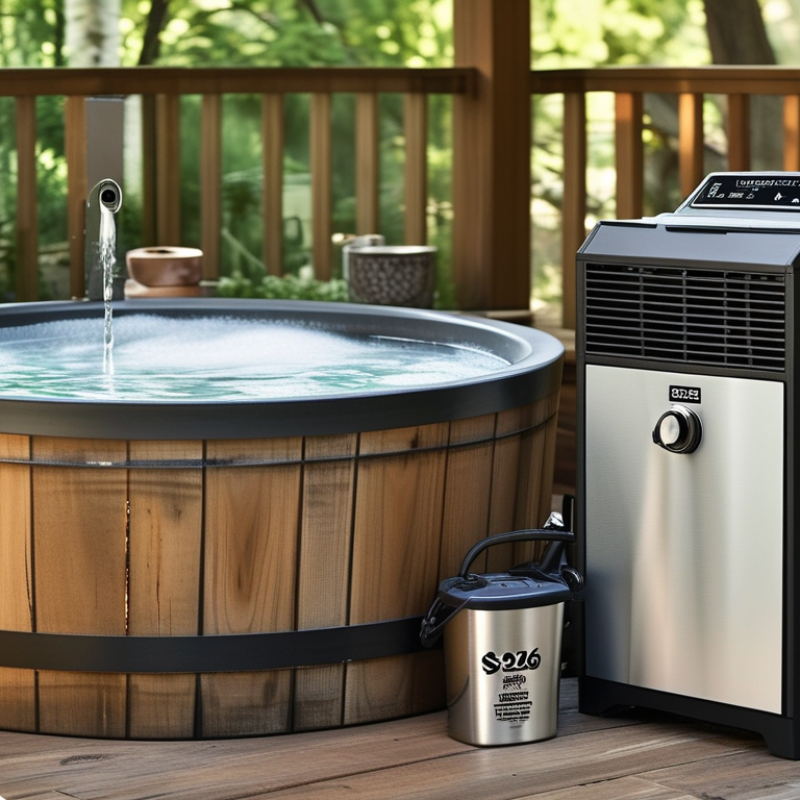
A cold plunge cooling unit is a compact refrigeration system that lowers and maintains water temperature. It usually includes a water pump, heat exchanger, thermostat, and circulation lines. Warm water leaves the tub, passes through the unit, and returns colder. The process repeats continuously.
Unlike adding ice, the unit offers more consistent temperature control. Many systems let users set a target between roughly 39 and 59 degrees Fahrenheit. Actual performance depends on tub volume, insulation, outdoor temperature, and water movement. A small unit may cool slowly when exposed to direct sunlight. This matters during summer.
Look for clear flow-rate information and realistic cooling times. Check whether the filter is easy to remove, because hair and skin particles can restrict circulation. The water should also be tested regularly, even when filtration is included. Cooling does not automatically make water hygienic. Electrical connections need protection from splashes and rain. Never ignore that detail.
A useful buying test is simple. Measure your tub first. Then compare its capacity with the unit’s rated workload. I once underestimated heat gain from an uncovered tub; the water warmed faster than expected. That mistake changed my view of “fast cooling.” A reliable setup needs insulation, steady circulation, and patient temperature control. Deathly cold is not automatically better. Stop if numbness, dizziness, or unusual discomfort appears.
2026 Best Cold Plunge Cooling Unit Buying Guide
How Cold Plunge Cooling Systems Work
A cold plunge cooling unit removes heat from the water through a refrigeration cycle. A pump draws water from the tub and sends it through a heat exchanger. Inside, refrigerant absorbs heat before releasing it through the condenser. Cooled water then returns to the tub. The water stays moving. Continuous circulation helps maintain a more even temperature.
A reliable system usually includes filtration, temperature controls, and protection against low water flow. The filter catches hair, skin particles, and other debris before they reach the pump. A digital controller lets users set a target temperature, but displayed readings may differ slightly from the water near the seat. A separate thermometer is useful. Small details matter.
When comparing units, check cooling capacity, flow rate, noise, electrical requirements, and service access. Larger tubs need stronger cooling performance, especially in warm rooms or outdoor areas. Insulation reduces the workload and lowers energy use. I would not choose a unit by its lowest advertised temperature alone. Recovery speed, stable operation, and clear maintenance instructions matter more. Some systems look powerful on paper but struggle after repeated use. That deserves honest attention. Allow space around the condenser, keep the filter clean, and follow the manufacturer’s water-treatment guidance. Regular checks can prevent weak circulation, unexpected temperature changes, and unnecessary equipment wear.
The chart shows the theoretical thermal energy required to cool 400 liters of water by different temperature drops. It uses water’s specific heat capacity of 4.186 kJ/kg·°C. Actual cooling time is longer because of ambient heat gain, insulation, circulation, and refrigeration losses.
Cold plunge cooling systems typically circulate water through a heat exchanger. A refrigeration compressor removes heat from the circulating water and releases it to the surrounding air. When comparing cooling units, consider cooling capacity, water volume, insulation, ambient temperature, filtration, and continuous operating power.
Choosing the best cold plunge cooling unit in 2026 requires more than checking the lowest temperature. Compare cooling capacity, water flow, and recovery time together. A unit may reach 39°F, yet struggle after repeated use. Ask how quickly it restores the target temperature after the lid opens.
Water quality also deserves close attention. Look for an accessible filter, a dependable sanitation method, and simple drain connections. Check whether replacement parts are easy to find. A clear maintenance schedule is valuable because cloudy water can appear before the system shows an error. Small details matter. A built-in temperature display should be easy to read in low light. Controls should work without requiring a phone or complicated app.
Noise, insulation, and electrical safety affect daily comfort. Listen to the unit during operation, if possible. A loud compressor beside a bedroom can become irritating within a week. Strong insulation may reduce energy use, but published efficiency figures need careful reading. Test conditions are not always realistic. I once focused too much on cooling speed and overlooked cleaning access. That was a poor choice. Measure the available space, including ventilation clearance and hose bends. Confirm the electrical requirements with a qualified professional. Also review the warranty, service response, and protection against freezing or overheating. A capable unit should cool consistently, protect the water, and remain manageable between sessions.
2026 Best Cold Plunge Cooling Unit Buying Guide
Choosing the right cooling unit starts with your plunge’s actual conditions. Measure water volume, indoor temperature, and available airflow before comparing specifications. A unit designed for a small tub may struggle with a larger basin. Cooling speed also depends on insulation, sunlight, and how often the water is used.
Look for a cooling range that matches your preferred temperature, not simply the lowest advertised number. Check flow requirements, filtration compatibility, electrical load, noise level, and drainage access. In practical use, poor water circulation can create warm zones near the surface. Easy filter cleaning matters too. A complicated system may perform well but become frustrating after several weeks.
Tips: Leave space around the cooling unit for ventilation. Use a reliable thermometer to verify the displayed temperature. Consider a cover to reduce heat gain and debris. Your heat-loss estimate may be imperfect, so choose modest capacity above the calculated need. Oversizing can increase cost, noise, and energy use. A balanced unit usually delivers steadier cooling and simpler maintenance.
A practical comparison of cooling-unit types, operating ranges, installation requirements, and buying considerations.
| Cooling Unit Category | Typical Cold-Water Range | Recommended Tub Volume | Approx. Cooling Capacity | Typical Power Demand | Best Use Case | Main Limitation |
|---|---|---|---|---|---|---|
| Thermoelectric Cooler | Approximately 10–18°C (50–64°F), depending on ambient conditions | Up to about 150–250 L (40–66 gal) | Low; generally suitable for maintaining already-cool water | About 100–500 W | Small tubs, indoor use, mild climates, and low-noise setups | Slow cooling and limited performance in warm environments |
| Compact Refrigeration Chiller | Approximately 3–15°C (37–59°F) | About 150–350 L (40–92 gal) | Approximately 0.5–1.0 kW of cooling output | About 400–900 W while running | Residential users who want repeatable cold-water sessions | May require longer pull-down times for large or warm tubs |
| Standard Refrigeration Chiller | Approximately 3–12°C (37–54°F) | About 250–500 L (66–132 gal) | Approximately 1.0–1.8 kW of cooling output | About 700–1,500 W while running | Outdoor tubs, frequent use, and warmer climates | Higher purchase price, noise, and electrical demand |
| High-Capacity Refrigeration Chiller | Approximately 2–12°C (36–54°F) | About 400–800 L (106–211 gal) | Approximately 1.8–3.0 kW of cooling output | About 1,200–2,500 W while running | Large tubs, commercial facilities, gyms, and multiple daily users | Needs adequate ventilation, stronger plumbing, and a suitable circuit |
| Ice-Based Cooling System | Approximately 0–15°C (32–59°F), depending on ice quantity | Any size, but performance depends on ice volume | Immediate cooling; no rated mechanical cooling output | Very low electrical demand if no powered circulation is used | Occasional use, emergency cooling, and locations without suitable power | Recurring ice cost, variable temperature, and limited convenience |
| Buying Dimension | What to Check | Practical Recommendation | Why It Matters |
|---|---|---|---|
| Tub Water Volume | Actual filled volume rather than the tub’s advertised maximum | Choose a unit rated for at least 20–30% more volume than your normal fill level | Extra capacity improves pull-down speed and temperature stability |
| Cooling Speed | Cooling rate, starting water temperature, and test conditions | Compare results using the same water volume and ambient temperature | Published cooling times are not directly comparable when test conditions differ |
| Minimum Setpoint | Lowest controllable water temperature and control accuracy | Select a unit that reaches your target temperature without relying on ice | A lower setpoint provides more flexibility, but does not automatically mean faster cooling |
| Filtration and Sanitation | Replaceable filter, sanitation method, drainability, and cleaning access | Prioritize a washable or replaceable filter and simple full drainage | Clean water protects the circulation system and reduces maintenance problems |
| Electrical Requirements | Voltage, running current, plug type, and required circuit protection | Use a grounded, weather-protected outlet and follow the installation manual | Incorrect power supply or outdoor wiring can create shock and fire hazards |
| Ambient Temperature | Operating-temperature range and ventilation clearance | Choose higher capacity for hot climates and avoid enclosed spaces | Refrigeration systems reject heat and become less efficient when airflow is restricted |
| Noise Level | Compressor and fan noise, preferably measured in dB(A) | For indoor or quiet spaces, look for published noise data below approximately 60 dB(A) | Noise is more noticeable during relaxation and may affect indoor placement |
| Water Connections | Hose diameter, pump compatibility, maximum flow, and connection position | Match the chiller’s inlet and outlet requirements to the tub and circulation pump | Poor flow can reduce cooling performance and may damage the pump or compressor |
A reliable cold plunge begins with installation, not the control panel. Size the cooling unit for water volume, room temperature, insulation, and daily use. Place it on a level, dry surface with clear airflow around the condenser. Water should drain away from electrical connections. Use a dedicated circuit with GFCI or RCD protection, and have a qualified electrician verify the installation. Never use an extension cord near the tub. ASHRAE’s HVAC guidance stresses equipment clearance and condensate management, yet many home installations ignore both.
Maintenance needs a written routine. Check the filter, hoses, seals, and drain line every week. Clean the condenser carefully, especially in dusty garages. The CDC’s 2023 Model Aquatic Health Code uses pH 7.0–7.8 and free chlorine of 1–10 ppm for treated recreational water; local rules may differ, but these values offer a useful reference. Record water temperature and sanitizer readings. A clear surface can still hide contamination. I learned that the hard way.
Cold exposure also demands restraint. The American Heart Association explains that sudden cold stress can increase breathing, heart rate, and blood pressure. Enter slowly, keep sessions conservative, and avoid alcohol or training alone. People with cardiovascular conditions should seek medical advice before use. Exit immediately after dizziness, chest discomfort, confusion, or uncontrolled shivering. The display may say 10°C, but it cannot measure your body’s response. That part remains imperfect.
Update your browser to view this website correctly. Update my browser now