

2026 Best Scoop Litter Types for Global Buyers?
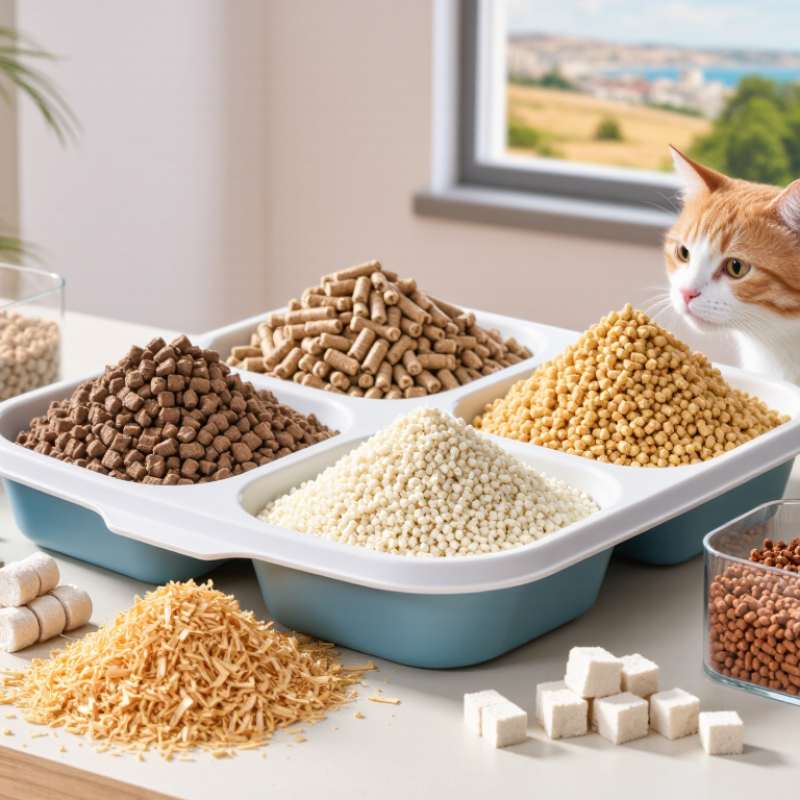
For global buyers, clumping clay, tofu, wood, and mineral litter need more than attractive packaging. Safety documents should guide the purchase. A current Safety Data Sheet identifies hazards, ingredients, handling controls, storage conditions, and emergency measures. Under the UN Globally Harmonized System, SDS information follows a standardized 16-section format. However, an SDS alone does not prove product safety or consistent quality.
REACH compliance matters when products enter the European market. The European Chemicals Agency explains that registration duties can apply to substances manufactured or imported above one tonne annually. Buyers should request REACH statements, substance information, and supplier traceability. Dust evidence is equally important. The United States Environmental Protection Agency defines PM2.5 as particles measuring 2.5 micrometers or smaller. A supplier should provide a named test method, sample date, laboratory details, and results for inhalable dust. Vague claims are weak evidence. I would not trust “99% dust-free” without test conditions.
Tips: Compare the same test across suppliers. Check whether results cover pouring, scooping, and transport damage. Review SDS revision dates, batch records, and allergen statements. Ask for moisture, odor-control, and clumping data when comparing plant-based or mineral formulas. ISO 17025 laboratory accreditation adds confidence, but it does not replace product-specific testing. Documents can still contain gaps. A careful buyer should record them before approval.