7 Tips for Hotel Bathroom Hardware Customization?

Hotel bathroom hardware seems like a small design detail, but guests notice it every day. A loose towel bar, dull drain cover, or difficult shower handle can weaken confidence quickly. Hotel Bathroom Hardware Custom solutions help properties match their brand, room layout, and maintenance needs. They also support a more consistent guest experience across bedrooms, suites, and public facilities.

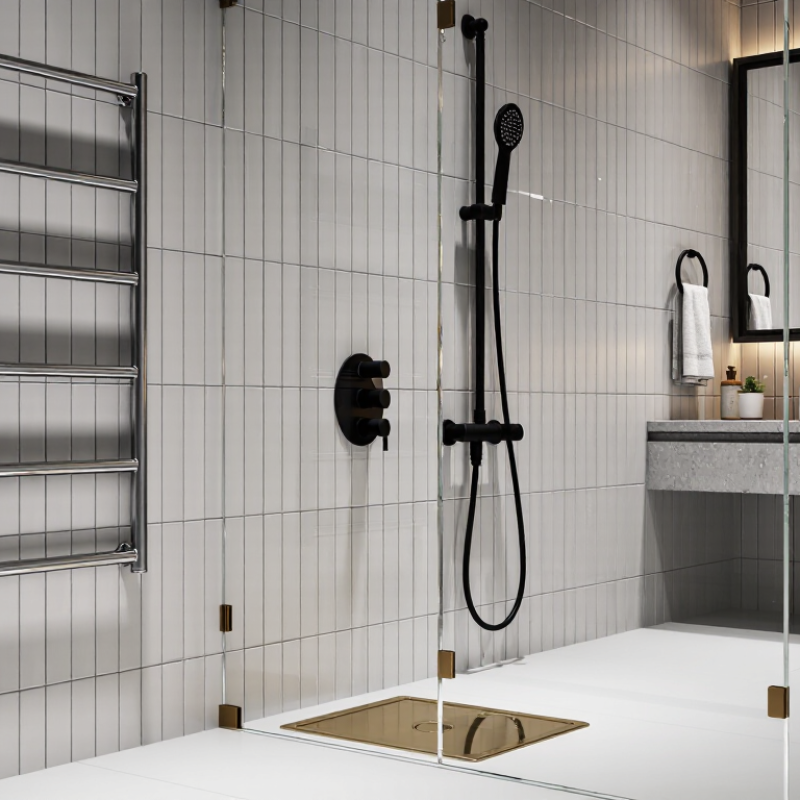
This guide shares seven practical tips for planning customized bathroom hardware. It covers material selection, finish durability, installation accuracy, accessibility, cleaning routines, and supplier communication. Stainless steel, brass, and protective coatings can perform differently in humid environments. A matte black finish may look elegant, yet fingerprints and water marks can demand extra care. Small details matter. In real hotel projects, the best-looking sample does not always deliver the easiest long-term maintenance. That mistake is common.

Reliable decisions should combine design judgment with technical evidence. Ask suppliers for material specifications, testing information, warranty terms, and replacement support. Confirm dimensions before production, especially around tiles, glass panels, and concealed plumbing. Review cleaning chemicals too, because harsh products may damage decorative surfaces. Expert coordination with architects, contractors, and facility teams can prevent expensive revisions. Still, no customization plan is perfect. Guest habits change, installation conditions vary, and early assumptions may prove wrong. Careful testing, honest review, and documented feedback make the final hardware more dependable.
7 Tips for Hotel Bathroom Hardware Customization?

Define the Hotel’s Bathroom Hardware Needs and Guest Experience Goals

Define the Hotel’s Bathroom Hardware Needs and Guest Experience Goals

Bathroom hardware customization should begin with guest expectations, not a catalog. A luxury suite may need quiet soft-close drawers, warm-touch metal, and stable grab points. A family hotel may need rounded edges, stronger hinges, and easy-clean surfaces. Guests notice small failures quickly.

The 2023 Sustainable Travel Study reported that 90% of travelers wanted more sustainable choices. This supports selecting durable hardware, replaceable parts, and water-efficient fittings. The U.S. Environmental Protection Agency states that WaterSense-labeled products use at least 20% less water while maintaining performance. Lower consumption can also support the hotel’s operating budget. Still, efficiency should never create weak pressure or an uncomfortable shower.

Ask practical questions before approving a specification. How many daily users will each room receive? Will housekeeping clean around exposed joints? Can engineers replace a cartridge without removing the wall? A brushed finish may hide fingerprints, but it can still show mineral deposits. Test samples under actual lighting and water conditions. A perfect showroom sample may disappoint on site. That is worth admitting. Guest goals should guide every choice, from lever shape to towel-bar position, because accessibility, comfort, and maintenance are connected.

Select Durable Materials and Finishes for Hotel Bathroom Conditions

Hotel bathroom hardware faces constant humidity, frequent cleaning, and heavy daily use. Material selection must reflect those conditions, not just showroom appearance. Stainless steel, solid brass, and treated aluminum can provide reliable performance when properly specified. However, alloy quality and manufacturing methods still matter.

Tip 1: Test finishes against moisture, salt, and cleaning chemicals.

A beautiful surface may discolor around hinges, handles, or shower fittings. Brushed finishes often hide fingerprints better than mirror-polished surfaces. Matte coatings can look refined, but poor application may scratch during routine maintenance. Request coating samples and inspect them after repeated cleaning. This step is easy to overlook.

Tip 2: Match the finish with the hotel’s maintenance routine.

Strong acidic or abrasive cleaners can damage decorative coatings. Ask housekeeping teams which products they actually use. Their experience may challenge the original design plan. I once saw a dark finish develop pale marks near a washbasin because cleaning chemicals were left to dry. That failure was preventable. Specify cleaning instructions with the hardware, and confirm corrosion resistance through practical testing. Edges, joints, and concealed screws deserve attention too. Water often collects there, even when the visible surface looks perfect. Custom dimensions should also support easy replacement, because difficult repairs create unnecessary room downtime.

Customize Hardware Dimensions, Functions, and Accessibility Features

7 Tips for Hotel Bathroom Hardware Customization

Hotel bathroom hardware should fit real routines, not only drawings. Tip one: measure wall depth, door clearance, and user reach before selecting dimensions. Small errors can affect cleaning access and guest comfort. Tip two: match towel bars, rails, and hooks to the bathroom layout. Keep frequently used items within a natural arm’s reach. Tip three: choose functions that support busy housekeeping teams. A removable soap shelf or concealed fixing point can simplify daily maintenance. It sounds minor. It is not.

Tip four: separate essential functions from decorative features. A grab bar should provide dependable support, while a shelf should carry its expected load without flexing. Tip five: consider different body sizes and mobility needs. Use clear floor space, easy-to-turn controls, and textured surfaces where water may collect. Accessibility should feel integrated, not added later. Tip six: test finishes under moisture, cleaning routines, and repeated contact. A finish may look excellent in a sample room, yet age differently in heavy-use bathrooms. That lesson is easy to miss.

Tip seven: build a physical mock-up before production. Let housekeeping staff, maintenance workers, and several guests review it. Their feedback may challenge the original plan. Good customization often needs revision. Document every dimension, mounting method, load expectation, and inspection requirement. Follow applicable building and accessibility standards in the project location. Reliable hardware comes from measured decisions, practical testing, and honest attention to imperfect details.

7 Tips for Hotel Bathroom Hardware Customization: Customize Hardware Dimensions, Functions, and Accessibility Features
Tip Hardware Category Recommended Customization Data Useful Functions Accessibility Considerations Practical Planning Rationale
1Match the fixture to the available space Grab bars and support rails Horizontal grab bars are commonly specified at 32–36 in (813–914 mm) long. A typical round gripping surface is approximately 1¼–2 in (32–51 mm) in diameter. Provides stable support beside the toilet, near the shower entry, and inside the shower area. Keep the bar securely anchored to structural blocking or a tested support system. Confirm the final location and load requirements against the accessibility code used for the project. Bathroom layouts vary between standard, compact, and accessible rooms, so rail length and mounting points should be selected after reviewing wall structure and user reach zones.
2Customize faucet controls for simple operation Lavatory and shower controls Use a single-lever or sensor-operated control with a clear operating area. Keep control force low and avoid small knobs that require twisting. One-hand operation, temperature adjustment, water-saving flow control, and optional thermostatic anti-scald protection. Controls should be operable without tight grasping, pinching, or twisting. Lever handles and touchless sensors are generally easier to use than cross handles. Simple controls reduce operating effort for guests with limited hand strength, arthritis, temporary injuries, or wet hands.
3Set accessory heights around user reach Towel bars, robe hooks, shelves, and dispensers A practical hotel planning range for frequently used accessories is approximately 36–48 in (914–1,219 mm) above the finished floor, subject to local accessibility requirements. Easy access to towels, toiletries, robes, tissues, and personal-care products. Avoid placing dispensers or hooks where guests must reach over a counter, bathtub, or other obstruction. Maintain an unobstructed approach and verify the maximum reach range required by the applicable standard. Reach-based placement improves usability while allowing housekeeping staff to restock items efficiently.
4Choose shower hardware that supports multiple users Hand showers, riser rails, and shower outlets A height-adjustable hand shower should use a flexible hose of approximately 59–79 in (1,500–2,000 mm). Provide a separate fixed showerhead where the room layout permits. Adjustable spray height, handheld washing, seated showering, and easier cleaning of the shower enclosure. A sliding rail and reachable controls support seated and standing users. The hose should not create a trip or entanglement hazard, and the shower floor should be slip resistant. Height adjustment accommodates children, taller guests, wheelchair users, and guests who need to sit while showering.
5Include a properly sized shower seat option Fold-down or built-in shower seats A common accessible shower seat height is approximately 17–19 in (432–483 mm). A seat depth of approximately 15–16 in (381–406 mm) is frequently used for transfer and support planning. Seated showering, personal-care assistance, and improved stability during bathing. The seat must be securely supported, have a slip-resistant surface, and be positioned with reachable controls and grab bars. Confirm the required seat dimensions and clearances with the governing accessibility standard. Fold-down designs preserve circulation space in standard rooms while providing an important accessibility feature when needed.
6Protect clear floor space around key hardware Toilet-side rails, lavatory fittings, and door hardware A commonly referenced wheelchair turning circle is approximately 60 in (1,524 mm) in diameter. An accessible clear floor or ground space is often planned at approximately 30 × 48 in (762 × 1,219 mm), subject to local code. Allows approach, transfer, turning, and repositioning without moving bathroom accessories. Keep the floor area in front of the lavatory, toilet, shower controls, and door hardware free from bins, benches, and loose furniture. Hardware that works well on paper can become difficult to use if its approach zone is blocked by a towel cart, waste bin, or vanity projection.
7Combine safety, hygiene, and maintenance features Finishes, dispensers, locks, and emergency accessories Specify corrosion-resistant materials for wet areas, slip-resistant contact surfaces, rounded edges, and high-contrast controls. Use replaceable cartridges and concealed or tamper-resistant fixings where appropriate. Improves durability, cleaning efficiency, visual recognition, and long-term serviceability. High-contrast hardware can assist guests with low vision. Avoid sharp projections, slippery touch surfaces, and controls that are difficult to identify or operate. Durable, hygienic, and visually clear hardware reduces maintenance interruptions and helps maintain consistent guest-room accessibility over time.

Coordinate Hardware Styles with the Overall Bathroom Design

Hotel bathroom hardware should support the room’s visual language, not compete with it. The 2024 NKBA Bathroom Design Trends Report highlights growing interest in wellness, layered lighting, and natural materials. Match hardware to these priorities. Tip 1: Pair warm brass with wood, stone, or cream surfaces. Tip 2: Use matte black for strong contrast, but repeat it through lighting or accessories. Tip 3: Keep the finish consistent across faucets, towel bars, robe hooks, and shower controls. Small mismatches look accidental.

Tip 4: Consider the bathroom’s scale before selecting hardware. Slim handles suit compact rooms, while larger pull bars feel more balanced in spacious layouts. Tip 5: Test samples beside tile under warm and cool lighting. Finishes can change dramatically. I once approved a brushed finish from a showroom sample; under hotel lighting, it looked dull and slightly green. That mistake was avoidable. Tip 6: Select shapes that echo the architecture. Rounded hardware softens sharp stone edges, while squared profiles reinforce modern cabinetry.

Tip 7: Coordinate performance with design. The U.S. Environmental Protection Agency reports that bathroom faucets account for more than 15% of indoor household water use. Water-efficient fittings can support sustainability goals without weakening the design. Check flow ratings, corrosion resistance, and cleaning access before approval. Hotel guests notice loose handles quickly. Maintenance teams notice poor choices sooner. A polished appearance matters, but reliable daily use matters more.

7 Tips for Hotel Bathroom Hardware Customization

Coordinate Hardware Styles with the Overall Bathroom Design

Use these U.S. ADA reference dimensions to coordinate the placement of grab bars, dispensers, mirrors, and other accessible bathroom hardware while maintaining a consistent visual layout.

Dimensions are measured in inches above the finished floor. The mirror value represents the maximum height of the reflective surface; all other bands show applicable ADA reference ranges.

Reference: 2010 ADA Standards for Accessible Design, Sections 603, 604, 609, and 308.

Verify Quality, Installation Requirements, and Long-Term Maintenance

7 Tips for Hotel Bathroom Hardware Customization

Verify Quality, Installation Requirements, and Long-Term Maintenance

Hotel bathroom hardware must survive moisture, frequent cleaning, and hurried guest use. In hotel fit-outs, I have seen attractive fixtures loosen because wall backing was ignored. Quality starts with material, coating thickness, cartridge performance, and corrosion resistance. Ask for test records, not only showroom samples. Components touching drinking water should align with NSF/ANSI 61 requirements. Pressure-test every connection before closing the wall.

Installation details deserve equal attention. Confirm pipe sizes, mounting depths, access panels, and local plumbing requirements before fabrication. A concealed valve may look elegant, but repairing it can require removing tiles. ASME A112.18.1 provides recognized requirements for plumbing supply fittings. Keep service clearances practical. Small access errors become expensive room closures.

Long-term maintenance should be designed into the specification. The U.S. Environmental Protection Agency reports that WaterSense bathroom faucets use no more than 1.5 gallons per minute, while maintaining required performance. This can reduce water use by about 30 percent compared with standard 2.2-gallon-per-minute models. Choose replaceable aerators, standard seals, and visible isolation valves. Record spare-part codes and cleaning limits for housekeeping teams. Never assume every coating tolerates acidic chemicals. That assumption fails quietly. One useful improvement is a mock-up room, inspected after repeated cleaning and simulated guest use. Seven days is better than one showroom hour, though still imperfect.

Your browser is out of date!

Update your browser to view this website correctly. Update my browser now

×