A boiler water heater must do more than warm a room. It may also supply showers, sinks, or an indirect storage tank, depending on the system. The right choice depends on the home’s heat loss, fuel supply, climate, and hot-water demand. A unit that looks powerful on paper can still struggle during a cold morning shower.
Hydronic-heating engineer and author John Siegenthaler has emphasized a practical principle in his work: boiler sizing should follow a calculated heat-loss estimate, not a rough square-foot rule. That matters. Proper sizing can affect comfort, fuel use, and how often the equipment cycles. A qualified installer can assess those needs and confirm venting, controls, and water quality before recommending a model.
This guide compares seven boiler water heaters for home use in 2026, including options for different household sizes and system designs. We’ll look at efficiency ratings, output, installation considerations, maintenance, and warranty terms. Details count: a quiet unit in a basement utility room may suit one home, while limited space or high simultaneous hot-water demand may favor another setup. No model is perfect. Product availability and specifications can change, so verify current documentation and local installer support before buying.
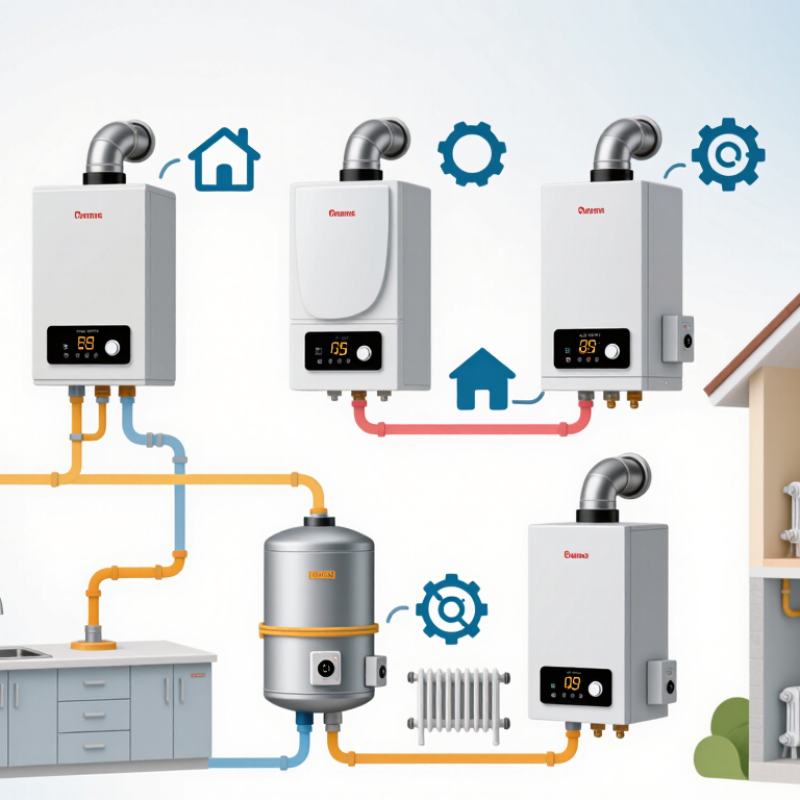
A boiler water heater warms water in a sealed heating circuit, then circulates it through radiators, baseboard units, or radiant-floor pipes. A burner or electric element transfers heat through a heat exchanger; a pump moves the water, and cooler water returns to be reheated. The water in this loop is usually separate from tap water. For household hot water, an indirect tank can use a coil heated by the boiler. The terminology can be confusing.
Controls respond to a thermostat and regulate heat, while safety devices monitor pressure and temperature. In the U.S. Energy Information Administration’s 2020 Residential Energy Consumption Survey, space heating accounted for about 42% of household energy use. That figure describes all heating systems, not boilers alone, but it shows why system performance matters. The U.S. Department of Energy’s guidance on Annual Fuel Utilization Efficiency explains how AFUE estimates a boiler’s seasonal fuel-to-heat conversion. A higher rating can indicate less fuel lost during operation, though installation, maintenance, and climate also affect real-world performance. A poorly balanced radiator can still leave one room chilly. That detail is easy to miss.
A boiler water-heating system uses a boiler, or a boiler paired with a storage tank, to provide domestic hot water. In an indirect system, boiler water circulates through a heat exchanger coil and transfers heat to household water without mixing with it. A combi boiler heats domestic water on demand. The options below describe system types, not ranked brands; the best fit depends on household demand, climate, fuel, and the existing heating system.
| System option | How it works | Best suited to | Main advantages | Limitations | Key sizing and installation checks |
|---|---|---|---|---|---|
| 1. Combi boiler | Heats domestic water as it flows through a heat exchanger, rather than storing a full tank of hot water. | Small to medium homes with moderate hot-water demand and limited space. | No separate storage tank; compact layout; avoids tank standby heat loss. | Hot-water flow is limited by the unit’s output and incoming-water temperature. Several simultaneous showers or taps can reduce comfort. | Check the rated hot-water flow at the required temperature rise, incoming water pressure, and likely simultaneous uses. |
| 2. Boiler with a standard indirect tank | The boiler heats water in an internal tank coil or heat exchanger; the household draws from stored hot water. | Many homes with an existing hydronic boiler and ordinary household hot-water needs. | Stored hot water can serve short periods of high demand; the boiler can heat both the home and domestic water. | Requires floor space and piping. The tank can lose heat while standing, depending on its insulation and installation. | Choose tank volume and heat-exchanger performance based on household demand and the boiler’s available output. |
| 3. Boiler with a larger indirect tank | Uses the same indirect-heating principle as a standard system, with more stored hot-water capacity. | Larger households, homes with multiple bathrooms, or households with frequent back-to-back hot-water use. | Provides a larger stored reserve, which can help cover brief demand peaks. | Uses more space and may have greater standby losses. A larger tank alone does not guarantee fast recovery. | Compare tank capacity, boiler output, coil rating, recovery time, and the household’s peak-hour demand. |
| 4. Boiler with a tankless coil | A coil inside the boiler heats domestic water as it passes through; there is generally no separate hot-water storage tank. | Some existing boiler systems with modest hot-water use and suitable boiler operating schedules. | Can use existing boiler equipment and avoids a separate storage tank. | Output depends on boiler temperature and coil capacity. Keeping the boiler hot for water heating can use energy even when space heating is not needed. | Check the coil’s rated flow, boiler condition, seasonal operating cost, and whether a separate tank would better meet demand. |
| 5. Boiler with a solar-assisted dual-coil tank | A lower heat-exchanger coil can receive heat from a compatible solar-thermal system, while a second coil provides boiler backup. | Homes installing solar thermal that also need a conventional backup heat source. | Solar heat can reduce boiler use when adequate solar energy is available; the boiler can provide backup. | Higher system complexity and upfront cost; solar contribution varies with weather, collector design, and hot-water use. | Confirm compatibility among the collectors, tank, controls, and boiler; include freeze protection and an approved backup strategy. |
| 6. Indirect tank with a thermostatic mixing valve | The boiler heats stored water; a mixing valve blends hot tank water with cold water to deliver water at a controlled outlet temperature. | Homes seeking more usable hot water from a storage system, where the equipment and local code permit higher storage temperatures. | Can increase the amount of mixed-temperature water available from a given tank volume. | Higher tank temperatures increase scalding risk if the valve is missing, incorrectly set, or fails. The valve does not create additional heat. | Use a properly rated valve installed and maintained by a qualified professional; follow manufacturer instructions and local plumbing codes. |
| 7. Electric boiler with an indirect tank | An electric boiler heats the tank’s domestic water through a heat exchanger, keeping the boiler circuit separate from potable water. | Homes where an electric hydronic boiler is already installed or where a compatible electric-boiler system is being considered. | No on-site fuel combustion at the boiler; can work with a hydronic heating layout and an indirect tank. | Electrical operating cost and required electrical service can be significant considerations. It is not automatically a low-cost replacement for every fuel system. | Verify electrical capacity, local electricity rates, boiler output, tank-coil compatibility, and the home’s peak hot-water requirement. |
Selection note: “Best” depends on the home rather than a single universal specification. Before choosing a system, compare peak hot-water demand, boiler output, tank recovery, fuel and energy costs, available space, maintenance needs, and local code requirements. Have equipment sized and installed by a qualified heating or plumbing professional.
Update your browser to view this website correctly. Update my browser now