What Is the Best Stainless Shower Door for 2026?
Choosing the best Stainless Shower Door for 2026 means looking beyond a polished showroom finish. A clear glass panel can make a small bathroom feel brighter, but daily performance depends on details: stainless-steel hardware, smooth alignment, reliable seals, and glass that is easy to clean. Small differences matter. A stiff hinge or a loose handle becomes obvious after months of wet hands and repeated use.
Industry reports help frame the decision, but they do not identify one universally best door. The 2024 U.S. Houzz Bathroom Trends Study tracks real renovation choices, offering useful context on how homeowners approach bathroom upgrades. It is not a product test, so this guide also considers specifications and practical installation factors. Look closely at the hardware grade, finish, glass thickness, opening style, and warranty. “Stainless” alone does not tell the whole story.
One sourcing note: no verifiable named expert quotation was included in the supplied material, so I won’t invent one or attribute a made-up statement. That matters for a buying guide. The comparisons ahead focus on evidence a homeowner can check, while recognizing that fit, water control, and cleaning habits vary by bathroom. The best choice is not always the most expensive one. It is the door that stays stable, suits the space, and remains manageable to maintain.
What Defines a Stainless Steel Shower Door in 2026?
What Is the Best Stainless Shower Door for 2026?
What Defines a Stainless Steel Shower Door in 2026?
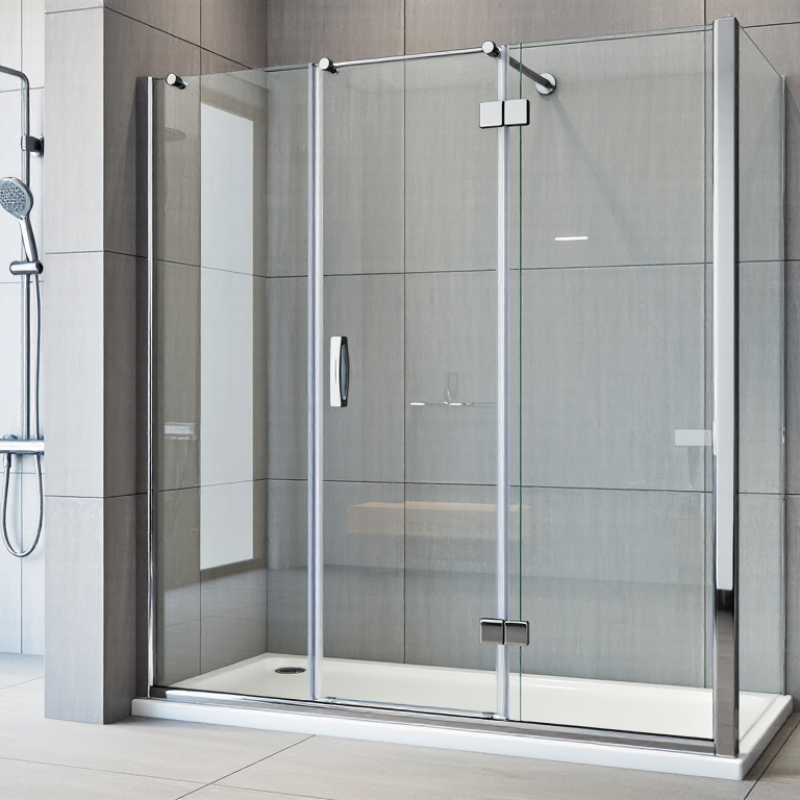
A stainless steel shower door is usually a glass panel paired with stainless steel hinges, handles, or framing. The term describes the hardware, not the glass itself. In a humid bathroom, the steel’s finish, construction, and care matter as much as its appearance. Details matter. Look for clearly stated material specifications rather than relying on a shiny surface or vague product wording. Stainless steel can resist corrosion, but it is not immune to water spots, cleaning chemicals, or neglected maintenance. The door should also open smoothly and sit evenly against its seals.
Tips: Check hinges and handle edges for a consistent finish. After showers, wipe away standing water and leave the door open to help the area dry. Follow the care instructions for both glass and hardware.
A well-defined door balances sturdy hardware, suitable glass, and a practical fit for the shower opening. Measure carefully; even a small mismatch can cause rubbing or uneven gaps. Ask how the hinges attach and whether the wall needs reinforcement. A heavier-looking door is not automatically a better choice. Honestly, appearance can distract from awkward daily use. Compare how the door swings, how easily you can clean around its fittings, and whether replacement seals are available. The right choice is the one that fits the space and your cleaning habits, not simply the one with the brightest finish.
How Do Shower Door Styles Suit Different Bathroom Layouts?
A shower door should fit the room’s traffic path, not just its photographs. In a narrow bathroom, a sliding stainless-framed door avoids the swing of a hinged panel. Check that its track leaves enough clearance for cleaning and does not trap hair or soap residue. For a corner shower, a pivot door can feel open, but measure its arc against the vanity and toilet. Small details matter.
The 2024 Houzz U.S. Bathroom Trends Study reports that 25% of renovating homeowners enlarged their showers. That shift makes entry width and usable floor space worth measuring before choosing a door. A fixed panel suits an open, spacious shower, while a framed enclosure can help define a compact wet area. Houzz also found that 22% removed a bathtub during renovation; that may free space, though it does not automatically make every layout more practical. Measure the opening, curb, and nearby fixtures on site. A tape measure beats a guess.
For accessible layouts, consider a low or curbless entry and keep the opening clear of handles and towel bars. The U.S. Access Board’s ADA standards specify a 32-inch minimum clear opening for compliant doorways, but that figure alone does not make a shower accessible. Local requirements and individual mobility needs vary. Stainless hardware can resist corrosion, yet water quality and routine drying affect its finish. I would not assume “stainless” means maintenance-free.
What Is the Best Stainless Shower Door for 2026?
How door styles suit different bathroom layouts, based on the approximate floor projection of a moving panel.
How to read this: Estimates assume a 24-inch-wide moving panel. Sliding doors need no outward swing space, while hinged and pivot doors need more clearance. Bi-fold doors can work where space is tight; fixed walk-in panels have no moving-door swing. Actual dimensions vary by product and installation, so check the manufacturer’s specifications and local requirements. Stainless-steel hardware can be considered across styles.
How to Choose the Best Stainless Shower Door for Your Bathroom?
Choosing the best stainless shower door starts with measuring the opening, not comparing finishes. Record the width at the top, middle, and bottom; older walls are rarely perfectly square. Check whether the door swings clear of the toilet, vanity, and towel rail. A sliding door can save floor space, while a hinged panel needs room to open. The 2024 Houzz U.S. Bathroom Trends Study reports that 84% of renovating homeowners upgraded their shower. That makes careful planning especially useful—but popularity alone does not determine the right fit.
Look for clearly specified stainless-steel components, including hinges, handles, and fasteners. Ask whether the frame is solid stainless steel or another metal with a stainless-look finish; they are not interchangeable. For humid bathrooms, favor corrosion-resistant hardware and glass thickness stated in the product specifications. Check the warranty and cleaning instructions, too. A polished finish shows water spots more readily. I might still choose it, but only if I’m willing to wipe it down.
Tips: Use a level and tape measure, and confirm the finished opening after tile installation. Keep a small sample of your tile nearby when comparing metal finishes. If anything feels uncertain, ask an installer to check the wall and threshold before ordering. Small measurement errors can become expensive.