What is the Best Type of Seating Chairs for Home and Office Use
When it comes to creating a comfortable and functional environment at home or in the office, the choice of seating chairs plays a crucial role. The right seating can enhance productivity, foster creativity, and promote well-being. With a variety of styles, materials, and designs available, selecting the best type of seating chairs requires consideration of both aesthetic appeal and ergonomic support.
In residential settings, seating chairs often serve as focal points that reflect personal style, while also providing a cozy space for relaxation and socialization. For offices, however, the emphasis may shift towards functionality and long-term comfort, as employees spend extended hours seated during their workday. This article explores the various factors to consider when choosing seating chairs for different purposes, examining how elements such as design, adjustability, and material can influence user satisfaction. By understanding the essentials of seating chair selection, you can create environments that not only look appealing but also support health and efficiency.
Types of Seating Chairs: A Comprehensive Overview for Home and Office
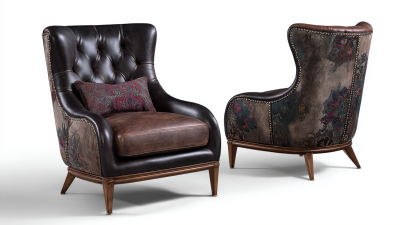
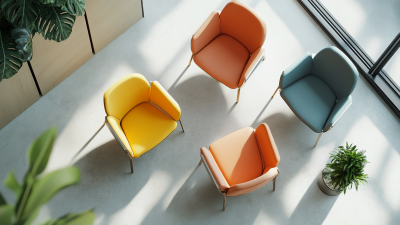
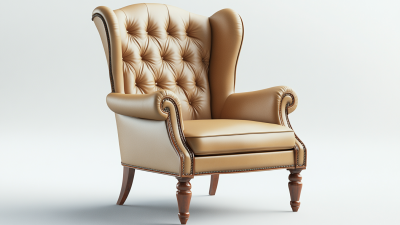
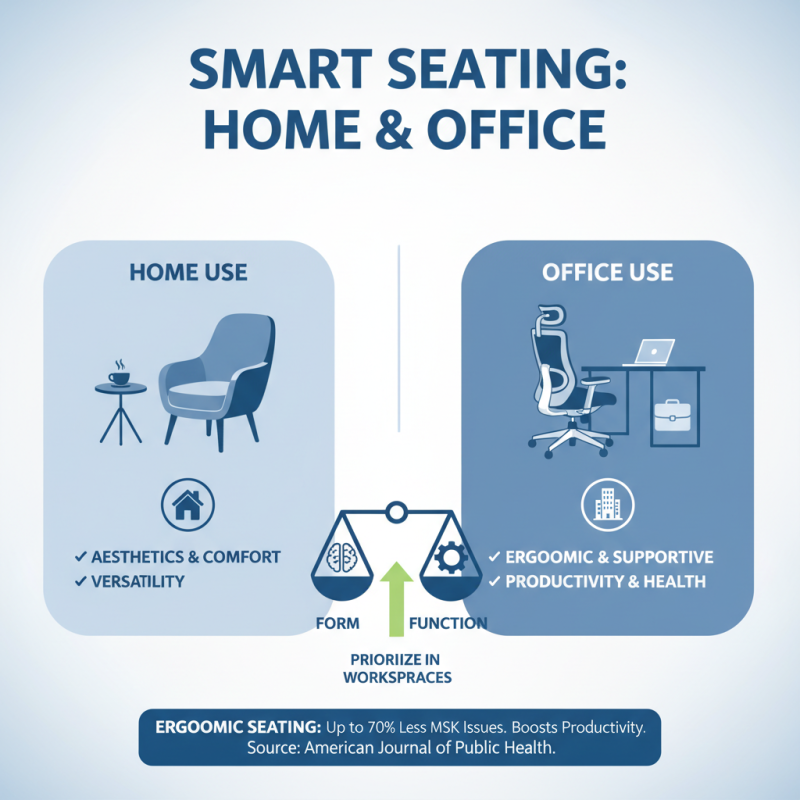
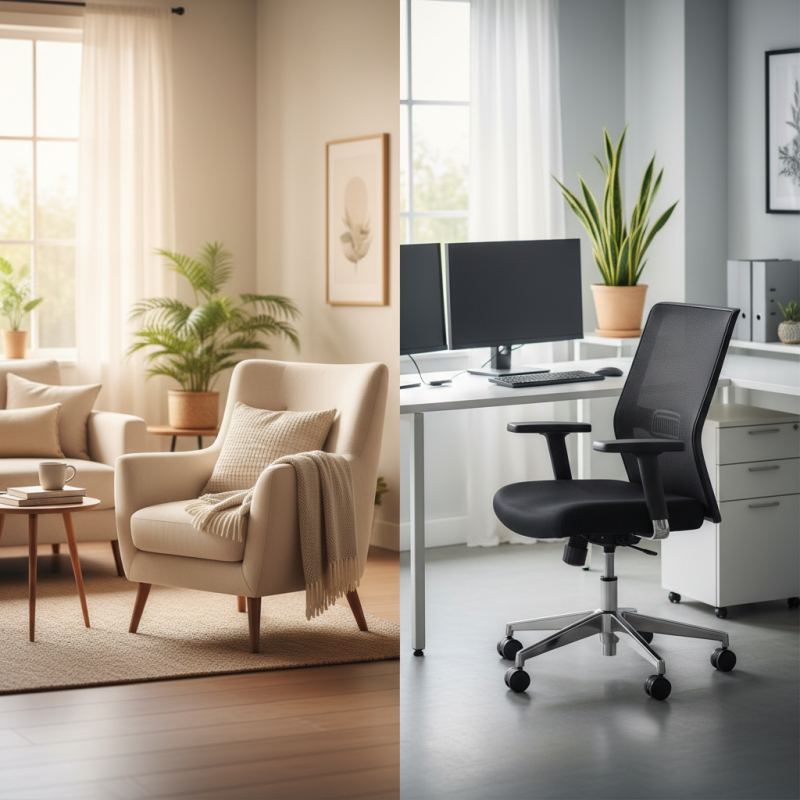
When choosing seating chairs for both home and office use, it’s essential to consider various types that cater to different needs and environments. For home settings, lounge chairs and accent chairs can create a cozy atmosphere, ideal for relaxation and leisure. These chairs often prioritize comfort and aesthetics, complementing the interior design of living spaces. Additionally, dining chairs are crucial for fostering an inviting atmosphere during mealtime, offering both style and functionality.
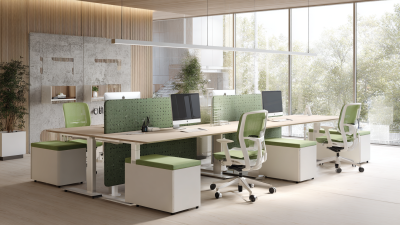
In an office environment, ergonomic chairs take precedence. They are designed to support long hours of work, promoting proper posture and reducing fatigue. Task chairs, which are easily adjustable, are also popular in professional settings, providing flexibility for collaborative workspaces. Furthermore, conference chairs should balance comfort and sophistication, accommodating various body types while maintaining a professional appearance. By understanding the distinct characteristics and purposes of different seating chairs, you can make informed choices that enhance both productivity and comfort in your daily life.
Ergonomic Design: Importance and Benefits for Long-Term Use
When it comes to choosing seating chairs for both home and office environments, ergonomic design plays a crucial role in ensuring comfort and supporting health. Ergonomically designed chairs are crafted to align with the natural posture of the body, reducing strain on muscles and joints during prolonged periods of sitting. This aspect is particularly important for individuals who spend long hours at their desks or in front of screens, as proper alignment can help mitigate the risk of musculoskeletal disorders.
The benefits of ergonomic seating extend beyond mere comfort. Research indicates that using ergonomic chairs can lead to increased productivity and focus, as users are less likely to experience discomfort or distractions caused by poor seating. Furthermore, these chairs often come with adjustable features, allowing users to customize their seating positions based on personal preferences or specific tasks. Investing in ergonomic seating not only enhances the overall experience of working or relaxing but also contributes positively to long-term health and well-being.
Materials Used in Seating: Comparative Analysis for Comfort and Durability
When choosing seating for home and office use, the materials used in construction play a crucial role in ensuring both comfort and durability. Common materials for chair upholstery include fabric, leather, and synthetic options like vinyl. Fabric chairs are often soft and breathable, making them comfortable for long hours of sitting. However, they may not be as easy to clean compared to leather, which, while durable and elegant, can sometimes be less breathable. Synthetic materials offer a balance of affordability and resilience, often designed to mimic the look of leather while providing easy maintenance.
Tips: When selecting fabric chairs, consider options with removable covers for easy cleaning. For leather, look for high-quality options that can resist wear and tear, ensuring a longer lifespan. Additionally, if allergies are a concern, choose materials that are hypoallergenic and easy to care for.
In terms of chair frame construction, options vary widely, with wood and metal being the most common. Wooden frames add a classic touch and can be incredibly durable if properly maintained. Metal frames, on the other hand, are often more modern and provide excellent support, as they tend to be sturdier. The choice between these materials can significantly affect the overall aesthetics, comfort, and durability of the seating solution.
Tips: Always check the weight capacity of the chairs to ensure they will meet your needs. Additionally, consider a chair base that offers adjustability to maximize comfort, allowing you to find that perfect seating position for work or relaxation.
Aesthetics vs. Functionality: Balancing Style with Practical Needs
When selecting seating chairs for home and office use, the balance between aesthetics and functionality plays a crucial role in decision-making. A research report from the American Journal of Public Health indicates that ergonomic seating can significantly enhance productivity and reduce discomfort, with properly designed chairs reducing the risk of musculoskeletal disorders by up to 70%. This highlights the importance of prioritizing function, particularly in work environments where individuals spend long hours seated.
Aesthetically appealing chairs can promote a positive atmosphere, making both home and office spaces more inviting. According to a study by the International Journal of Environmental Research and Public Health, workspace aesthetics can improve employee well-being and overall performance. Yet, it's essential to ensure that these stylish options do not compromise comfort. For example, chairs that combine sleek designs with ergonomic features, such as adjustable heights and lumbar support, can satisfy both property aesthetics and users’ practical needs. Balancing these elements ultimately leads to a more harmonious space where functionality does not overshadow beauty.
Health Impacts: Correlation Between Chair Choice and Workplace Wellness
The choice of seating chairs in both home and office environments can significantly impact overall health and wellness. Poorly designed chairs can lead to numerous health issues, including musculoskeletal problems, poor posture, and fatigue. These issues often arise from extended periods of sitting in non-ergonomic chairs that do not support the natural curvature of the spine. Consequently, this can result in discomfort and decreased productivity, highlighting the critical need for proper seating solutions.
In contrast, ergonomic chairs are designed to promote better posture and support the body’s natural movements. Features such as adjustable height, lumbar support, and seat depth allow individuals to tailor their seating experience to their specific needs. Research has shown that investing in high-quality, ergonomic seating can lead to improved physical health, reducing the risk of chronic pain and discomfort. Furthermore, a comfortable and supportive chair can enhance focus and efficiency, contributing to a more positive work environment. By prioritizing the right type of seating, individuals can foster not only their physical well-being but also their mental and emotional health, creating a balanced and productive space for both work and relaxation.