A China Pendant Lamps Supplier is more than a factory offering decorative shades. The right partner can help buyers turn a lighting concept into a practical product, from metal finishes and glass forms to wiring, packaging, and production planning. Yet the title alone proves little. Buyers still need to check samples, specifications, and quality-control practices.
Energy performance also matters. The U.S. Department of Energy reports that residential LED products use at least 75% less energy and can last up to 25 times longer than incandescent lighting. This makes LED compatibility an important discussion when sourcing pendant lamps, especially for projects with many fixtures or long daily operating hours. A supplier should explain available lamp holders, LED options, dimming compatibility, and test procedures—not simply promise “energy saving.”
Details matter. A brushed-brass finish may look warm in a showroom but vary between production batches. Glass can differ in tint, thickness, and weight. These small differences affect appearance, installation, and shipping protection. Ask for a production sample and clear records before approving a large order. Also confirm how the supplier handles revisions, defects, and delivery updates. Not every factory will communicate well; that is worth testing early. This introduction explains what a China Pendant Lamps Supplier does, how suppliers differ, and which questions help buyers assess them. The goal is not to label one source as best, but to make comparisons more informed and specific.
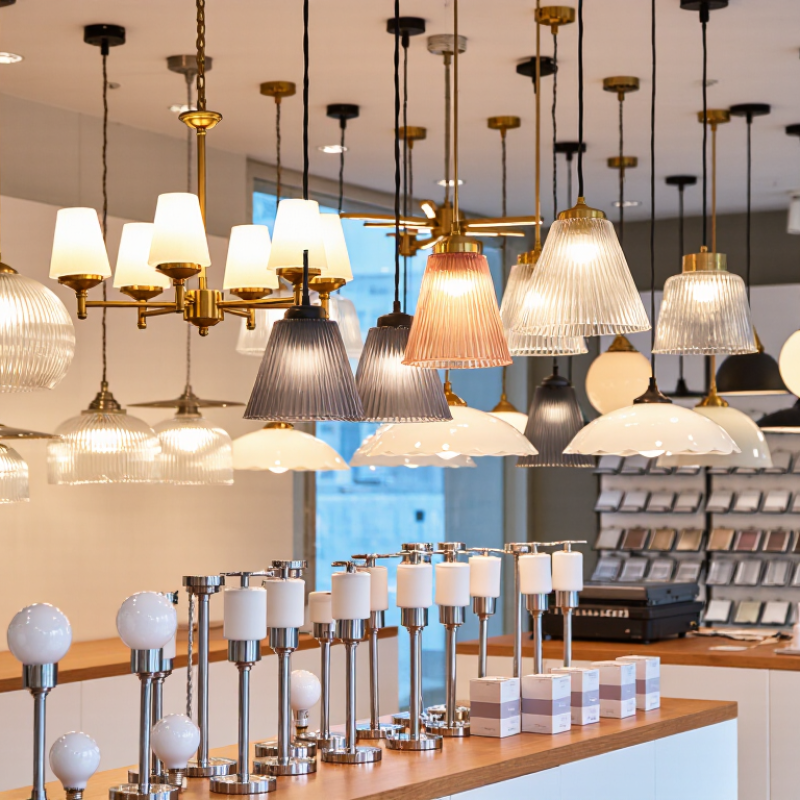
A China pendant lamp supplier may be a factory, exporter, or sourcing company coordinating production. The label alone tells buyers little. A capable supplier can explain its role, materials, wiring options, finish process, and quality checks. Ask for clear drawings, sample photos, and a written specification before approving an order. A brass-colored finish, for example, may be plated steel rather than solid brass. Small details matter.
Technical knowledge also counts. The U.S. Department of Energy’s Energy Saver guidance reports that LED bulbs use up to 90% less energy than incandescent bulbs and can last up to 25 times longer. A supplier should therefore identify compatible LED sources, drivers, dimming options, and heat-management details. These affect performance, not just appearance. Still, a polished sample can hide uneven finishes or weak packaging. Request inspection records and confirm how defects are handled.
Tips: Compare samples with the approved drawing. Check canopy size, cord length, finish consistency, and carton protection. Ask who performs final inspection, and request dated photos before shipment.
What Is a China Pendant Lamp Supplier?
What Products and Services Do These Suppliers Provide?
A China pendant lamp supplier may offer finished fixtures, custom production, or both. Product ranges often include metal shades, glass globes, fabric pendants, and multi-light designs. Sizes can span compact bedside fittings to large dining-room fixtures. Materials and finishes vary.
Useful services can include design adjustments, sample production, packaging, and quality checks. A buyer might request a shorter cable, a different shade color, or a ceiling canopy sized for a specific project. Some suppliers provide drawings, material details, and inspection photos before shipment. Ask what each service includes. The details matter.
Customization is not always unlimited. Tooling, order quantities, and available materials can affect what is practical. A sample helps reveal finish quality, balance, and light diffusion. A polished catalog can still leave questions unanswered. Check the stated dimensions, socket type, installation instructions, and replacement-part availability. Confirm details in writing, especially when several fixture variations share one order. Small mismatches can slow installation. That part is easy to overlook.
| Dimension | Typical Offering | Common Details | Buyer Considerations |
|---|---|---|---|
| Supplier role | Manufacturer, trading company, or a business combining sourcing and manufacturing coordination | May develop, produce, assemble, or source pendant lighting for domestic and export markets | Confirm whether the supplier owns the production facility or works with manufacturing partners |
| Single-light pendants | One lamp holder and shade suspended from a ceiling canopy | Commonly offered in metal, glass, ceramic, wood, or combinations of materials | Check dimensions, suspension length, socket type, bulb compatibility, and ceiling-mount details |
| Multi-light pendants | Fixtures with multiple light points arranged on a bar, cluster, or frame | Often used above dining tables, kitchen islands, counters, and in larger interior spaces | Verify total fixture weight, mounting method, light-point spacing, and electrical requirements |
| Shade and material options | Glass globes, metal shades, fabric shades, and decorative natural-material designs | Finishes, colors, shapes, and material combinations vary by product and production capability | Request material specifications and finish samples when appearance or consistency is important |
| Commercial and project lighting | Pendant fixtures supplied for hospitality, retail, residential, and other interior projects | Products may be selected or configured to suit a project’s layout and design requirements | Ask for technical drawings, installation information, and applicable test or compliance documents |
| OEM and product customization | Production based on buyer-provided designs, specifications, or requested modifications | Possible changes include dimensions, materials, finishes, wiring, packaging, and labeling | Confirm tooling needs, minimum order quantities, sample approval, lead time, and ownership of design files |
| Product development and sampling | Design review, prototype coordination, and pre-production samples where available | Samples can help check appearance, fit, finish, and basic assembly before a larger order | Agree on sample costs, revision limits, approval criteria, and whether the sample cost is credited to an order |
| Quality control | Checks during production or before shipment, depending on the supplier’s procedures | Inspections may cover appearance, dimensions, assembly, packaging, and specified electrical checks | Define inspection criteria in writing and clarify whether testing is performed in-house or by an independent party |
| Export and order support | Order coordination, packing preparation, and export-document assistance where offered | Shipping arrangements and available documents depend on the supplier, destination, and agreed trade terms | Confirm carton details, shipping terms, document requirements, production schedule, and responsibility for freight |
| Important note | Product ranges, customization capabilities, quality procedures, certifications, minimum order quantities, and service levels vary by supplier and product. Verify specifications and compliance requirements for the intended destination before placing an order. | ||
In China, pendant lamps are usually developed through a practical sequence: design review, sample making, production, and inspection. Designers turn room dimensions, ceiling height, and the desired light effect into drawings. They specify the shade shape, finish, socket, and suspension length. A slim metal shade may need a different support from a heavy glass one. Small details matter.
A factory typically cuts or forms metal parts, finishes surfaces, assembles components, and checks each lamp before packing. Glass shades may be molded or blown, then inspected for visible flaws. Teams test wiring, switch function, and light operation according to the product specification. Not every first sample gets it right. A finish can look warmer under factory lights than it does at home, so sample approval deserves careful attention. Manufacturing methods and test procedures vary by supplier.
Tips: Share drawings, dimensions, finish references, and installation details before sampling. Ask for a working sample, not only photos. Check the cord length, canopy fit, shade alignment, and light output in the intended room. Record changes clearly; even a small adjustment can affect the next production run.
A China pendant lamp supplier coordinates product design, sourcing, production, and delivery for lighting projects. Customization usually begins with a drawing or reference sample. Buyers can discuss shade dimensions, metal finishes, cord length, canopy shape, and packaging. Clear measurements matter. A shade that looks balanced on a screen may feel too large above a small dining table.
Suppliers may prepare a prototype before approving a full order. Review its dimensions, finish, hanging hardware, and light distribution in person when possible. Quality control can include checking incoming materials, inspecting welds and surface coatings, testing electrical components, and comparing finished units with the approved sample. Ask how defects are recorded and how production batches are checked. Procedures vary, so request evidence rather than relying on broad promises. Even a detailed checklist can miss a subtle color difference.
Tips: Send a dimensioned drawing, finish reference, and installation requirements before sampling. Photograph the approved sample under neutral light, and keep that record for comparison. Confirm inspection points in writing. Small details matter. Still, no inspection method catches everything, so allow time to review samples and address revisions before shipment.
Water-ingress protection is one specification a supplier can discuss and verify when customizing a pendant lamp for its installation environment.
IPX levels describe standardized water-ingress protection tests under IEC 60529. They are classifications, not a linear measure of performance; the test conditions for IPX8 are agreed for the product. Confirm the required rating for the intended location and request relevant test documentation.
A China pendant lamp supplier is a manufacturer or trading company that sources, develops, or produces hanging light fixtures. Buyers should look beyond polished catalogue photos. Ask who makes the metal canopy, shade, socket, and suspension parts. Then request a production sample and inspect its finish, wiring layout, and ceiling mounting hardware. Small details matter. A thin canopy may flex during installation, while an uneven painted edge can show under warm light.
Check whether the supplier can provide clear specifications, test records, and repeatable quality checks. The U.S. Department of Energy’s 2020 U.S. Lighting Market Characterization estimated that LEDs represented about 48% of installed lighting stock in the United States. That shift makes driver compatibility, heat management, and stated light output practical questions, not just technical extras. Ask for applicable photometric and electrical test documents, and confirm that the tested configuration matches the item being quoted. A document for a similar model is not enough.
Compare lead times, minimum order quantities, packaging, and how defects are handled. Request carton dimensions and a packing sample; a fragile glass shade needs different protection from a steel pendant. Ask how finish consistency is checked across production batches. One easy mistake is judging a supplier from one attractive sample. It may not reflect the next production run. Be specific about tolerances and inspection points, even if that feels overly cautious.
Update your browser to view this website correctly. Update my browser now