How to Choose the Best Restroom Stall Walls for Your Needs?
Choosing the right Restroom Stall Walls is essential for any public or private facility. These walls impact privacy, durability, and aesthetics. There are various materials and designs to consider, each with unique benefits and drawbacks.
Restroom stall walls made from plastic laminate, metal, or even stone offer different levels of sturdiness. For instance, plastic laminate is lightweight and budget-friendly, but it may not withstand heavy use as metal does. On the other hand, metal walls can be more durable but may rust over time if not properly maintained. It’s crucial to weigh these factors against your specific needs.
Mismatched wall styles may create a confusing environment. A cohesive design promotes a sense of peace and cleanliness. However, some choices may seem too plain or uninviting. Striking the right balance between function and form is often challenging yet vital for user experience. Thoughtful considerations can transform a simple restroom into a welcoming space.
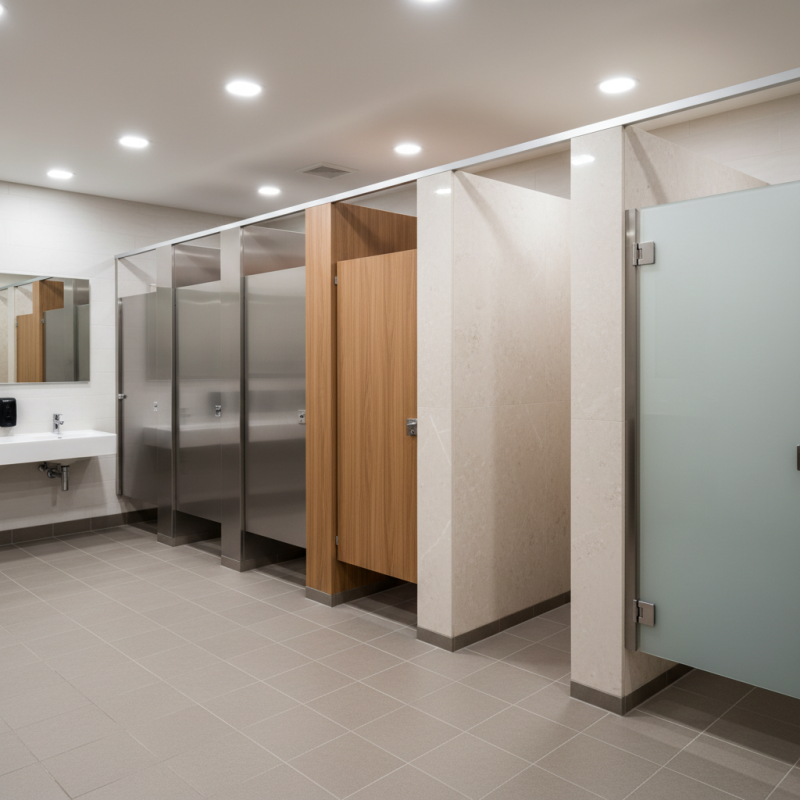
Types of Restroom Stall Wall Materials and Their Benefits
Choosing the right materials for restroom stall walls is essential. Different materials offer various benefits that suit varying needs. Popular options include plastic laminate, stainless steel, and solid phenolic. Each material has specific qualities to consider.
Plastic laminate is lightweight and affordable. It’s easy to clean and comes in many colors. However, it may not be as durable as other options. In busy places, scratches can accumulate quickly. Research shows that up to 40% of restroom complaints are related to maintenance issues, making durability essential.
Stainless steel is robust and stylish. Its sleek surface resists vandalism and is less prone to bacteria growth. Analytical reports suggest stainless steel can last over 20 years. Still, it may show fingerprints and smudges, requiring regular maintenance. Solid phenolic is another excellent choice, providing strength and moisture resistance, but it tends to be pricier.
Each material has pros and cons. Understanding these differences is key in making an informed decision. High-traffic areas may benefit from stainless steel, but aesthetic spaces might prefer plastic laminate. Your choice should reflect the environment.
How to Choose the Best Restroom Stall Walls for Your Needs?
| Material Type | Durability | Maintenance Requirements | Cost Range | Additional Benefits |
| Stainless Steel | High | Low | $300 - $600 | Corrosion-resistant, modern look |
| Laminate | Medium | Moderate | $200 - $400 | Customizable designs, affordable |
| BehavioralPhenolic | High | Low | $400 - $700 | Water-resistant, chemical-resistant |
| Vinyl | Low | High | $100 - $300 | Lightweight, easy to install |
| Concrete | Very High | Low | $500 - $1000 | Excellent for high-traffic areas |
Factors to Consider When Selecting Restroom Stall Walls
Choosing restroom stall walls is crucial for functionality and ambiance. Consider durability first. Reports show that steel and solid plastic offer the best long-term performance. Both can withstand high traffic and resist vandalism. Yet, some facilities opt for cheaper materials, risking early replacements.
Aesthetics matter too. The design impacts user comfort. An industry survey found that 70% of patrons feel better in well-designed spaces. Colors and textures can create a welcoming environment. However, selecting trendy designs might lead to quick obsolescence. Maintenance is another key aspect. Materials like laminate require frequent upkeep, while solid surfaces are easier to clean. An estimated 30% of restroom renovations fail due to poor maintenance planning.
Accessibility is often overlooked. Ensure stalls comply with regulations. Many facilities neglect this, leading to user frustration. Inadequate spaces can make it hard for everyone to access restrooms. It’s essential to balance privacy, safety, and accessibility in your choices. The best walls should meet your specific needs while considering the long-term implications of your selections.
Factors to Consider When Selecting Restroom Stall Walls
Durability and Maintenance Requirements for Stall Walls
When selecting restroom stall walls, durability and maintenance are critical factors to consider. Walls experience daily wear and tear. They face constant moisture, cleaning chemicals, and heavy use. Therefore, choosing materials that withstand these conditions is essential.
For longevity, materials like solid plastic are a great option. They resist moisture and do not chip easily. Metal options, while sturdy, can rust over time without proper coating. Wood is beautiful but may warp or rot.
Tips: Think about the cleaning process when choosing. Smooth surfaces often require less effort to maintain. Consider the frequency of use too. High-traffic areas demand tougher materials. Regular inspections can help catch damage early. Remember, even the best materials need care. A well-maintained restroom can enhance the overall experience for users.
Aesthetic Options for Restroom Stall Wall Designs
When selecting restroom stall walls, aesthetics play a key role. You can choose from various materials and designs to enhance the overall look. For example, plastic laminate offers clean lines and a modern touch. Alternatively, the warmth of wood can create a cozy environment. Think about colors too. Bright shades can energize a space, while muted tones promote calm.
Tips: Ensure the wood is treated properly. Otherwise, it might warp over time. Plastic options are easier to maintain. However, they may lack the unique charm of natural materials. Consider mixing textures to create interest. This adds depth to the restroom's ambiance.
Furthermore, remember that the design should reflect the overall theme of your establishment. A trendy café may benefit from bold graphics on stall walls. In contrast, a corporate office might prefer sleek, understated finishes. Don't rush the decision. The right choice should resonate with the space's purpose. Think carefully about durability too. Some materials may look good initially but require more upkeep down the line.
Cost-Effective Solutions for Restroom Stall Installations
When selecting restroom stall walls, cost-effectiveness is key. According to industry reports, nearly 25% of budgets for public restrooms go to partitions. You want durable materials that can withstand high traffic. Plastic laminate is a popular choice, offering a blend of affordability and longevity. It meets both cost-effective and aesthetic needs.
Metal and phenolic partitions also provide excellent options. Industry studies suggest that phenolic walls resist moisture and bacteria, making them ideal for restrooms. However, they can come with a higher upfront cost. It's crucial to weigh longevity against initial investment. While lower-cost materials might save money now, they may incur greater maintenance costs later.
Consider installation expenses too. The average installation costs can add another 15% to your project budget. Knowledge of these potential expenses is vital. Unplanned costs can strain your finances. Therefore, conducting a detailed assessment of materials and installation options will enhance decision-making.