Choosing cold lamination film in 2026 requires more than comparing prices or glossy finishes. The right material must match the printed surface, application method, environment, and expected service life. A film that performs well on indoor posters may fail on vehicle graphics exposed to heat, rain, and road dust. Small details matter.
Start with the substrate. Paper, PVC, polypropylene, and textured media accept adhesive differently. Check film thickness, adhesive strength, clarity, flexibility, and release liner quality. For outdoor graphics, confirm UV resistance and temperature performance through technical data sheets. For retail displays, consider glare, fingerprints, and viewing distance. Glossy cold lamination can strengthen colors, while matte film reduces reflections under strong shop lighting.
Application conditions also deserve attention. Dusty tables, low temperatures, or excessive pressure can create bubbles and silvering. A clean squeegee and controlled overlap improve results. Test a small sample first. It takes minutes and may prevent a costly reprint.
Reliable manufacturers should provide product specifications, batch information, storage guidance, and compliance documentation. Independent testing is useful, but it cannot replace a substrate trial. A perfect choice rarely exists. Even experienced users may overlook humidity or ink curing time. I would compare two or three samples under realistic conditions, then inspect them after stretching, wiping, and outdoor exposure. That practical evidence makes cold lamination selection more dependable, economical, and suitable for changing 2026 printing demands.
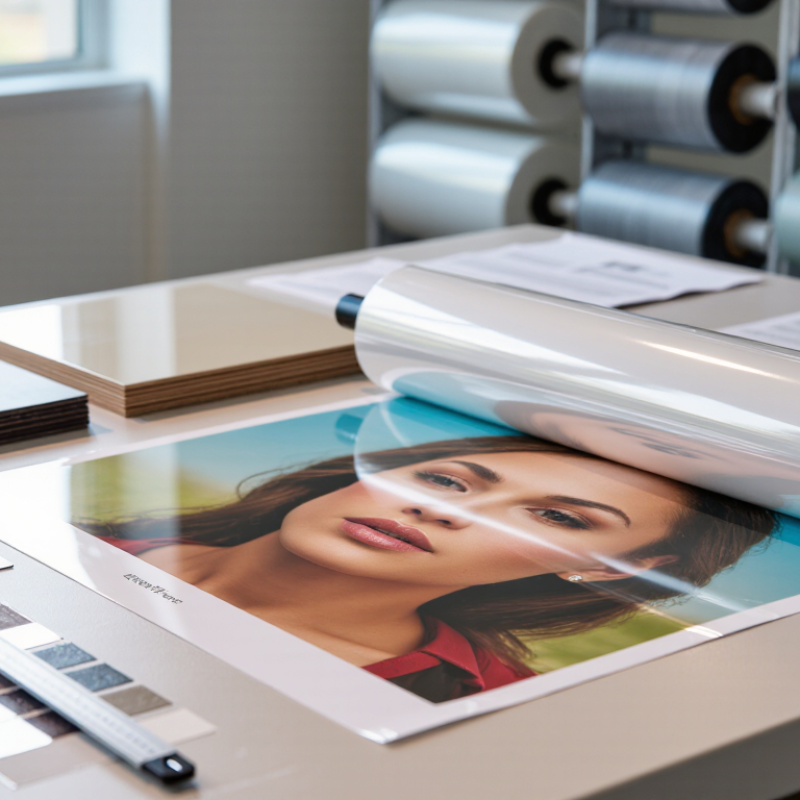
Cold lamination film is a transparent protective layer applied without heat. It usually contains a pressure-sensitive adhesive on one side and a release liner on the other. No heat is required. During application, the liner is removed while a roller presses the film onto printed material. Pressure activates contact between the adhesive and the surface. The result is a sealed layer that can reduce scratches, moisture exposure, fading, and handling marks.
Choosing the right film depends on the print, location, and expected contact. For indoor posters, labels, or menus, a thinner film may provide enough protection. Outdoor graphics need stronger resistance to sunlight, rain, and temperature changes. A matte finish can reduce glare near windows, while a glossy finish often makes colors appear more vivid. Check adhesive compatibility carefully. Clean surfaces matter.
In practical testing, I apply a small sample before committing to a full sheet. I have seen dust trapped under film, especially when rushed. That mistake stays visible. Film thickness, flexibility, and removability also affect the result. A rigid film may lift around curved edges, while a soft film can follow them more smoothly. In 2026, buyers may also compare liner waste and material composition. Yet the “best” film is not always the most advanced one. It must match the surface, printing method, and working conditions. A short test remains more reliable than a confident guess.
Cold lamination film selection starts with the printed surface. Smooth coated paper, PVC board, and textured prints need different contact behavior. On glossy paper, clear film preserves color but reveals dust and roller marks. Textured surfaces may need a softer adhesive layer. Test a small corner first. Press it with a felt squeegee and wait 24 hours.
That wait is easy to skip.
It should not be.
Permanent adhesive suits displays expected to stay in place. Removable adhesive works better for temporary graphics, but removal depends on surface age, heat, and dwell time. Low-tack adhesive may fail on dusty boards or unsealed ink. Water-based inks often need enough drying time before lamination. Check edge lift after bending, wiping, and temperature changes. One test rarely proves enough.
I once chose an overly soft adhesive; it trapped tiny bubbles and made the print look tired.
Choose gloss for vivid color and easy cleaning. Select matte to reduce glare. Textured film adds a tactile appearance, but it can soften fine details. Gloss shows fingerprints under strong lighting.
For signage near windows, compare samples in morning and afternoon light. Consider whether the surface will be touched, cleaned, folded, or trimmed. Thicker film changes handling, but thicker is not automatically safer. Record the film, adhesive, temperature, and result. That record may reveal an assumption worth revisiting.
In 2026, cold lamination film selection depends on the printed material, handling conditions, and expected service life. Thickness affects flexibility, stiffness, and edge protection. Measure the printed sheet before ordering. Then allow a small margin for trimming and alignment.
Thin film, often around 50 to 75 microns, suits indoor posters, menus, and temporary graphics. It bends easily around light curves. Use it carefully.
Medium film, around 80 to 125 microns, provides better resistance to scratches and frequent handling. It works well for signs, instruction sheets, and display graphics.
Thicker film adds rigidity and stronger surface protection, but it can make folding difficult. That trade-off matters.
Width should cover the entire print with minimal waste. A narrow roll may create seams or exposed edges. A wider roll can reduce joins, but increases material waste and alignment difficulty.
Leave enough film for clean trimming, especially when the print has uneven borders. For dusty workshops, choose a film with reliable adhesive flow and inspect the surface under bright light. Small particles become obvious after application.
From practical installation work, pressure consistency often matters as much as film thickness. Uneven pressure can create silvering, bubbles, or cloudy patches. I once selected a heavy film for a frequently handled display, but the stiff edges lifted on a curved panel. The protection was strong, yet the match was wrong. Test a small sample first. Surface texture, ink drying, temperature, and cleaning methods can change the result. Perfect matching is rare. Careful testing is better.
How to Choose Cold Lamination Film in 2026?
How Climate and Installation Conditions Affect Film Selection
Climate should guide your cold lamination film choice. In hot, humid regions, moisture can slow adhesive bonding and create cloudy areas. Choose a film rated for stable performance under heat and humidity. In dry, cold climates, static electricity attracts dust during application. A more flexible film may reduce cracking when temperatures change.
Installation conditions matter just as much. The surface should be clean, dry, and smooth before lamination begins. Even a small grain of dust can cause a visible bump. Follow the film’s recommended application temperature, and avoid installing it near open windows or direct sunlight. Temperature changes can affect film tension and cause edge lifting.
I have seen a film look perfect in a workshop, then fail outdoors after one week. The real problem was condensation, not the film itself. That mistake changed how I test materials. I now apply a sample in the actual environment and inspect it after several days. Check adhesion, clarity, flexibility, and edge stability. Do not rely on appearance alone. Sometimes, the thicker option is not better. It may be harder to conform around curves. Film selection requires testing, measurement, and a little humility.
Temperature and relative humidity directly affect adhesive wet-out, film flexibility, static, and the risk of bubbles or edge lifting. Cold environments generally require a film with reliable low-temperature adhesion, while humid conditions call for careful substrate preparation and moisture control.
The chart uses practical installation reference scenarios rather than product specifications. Always verify the film’s published application-temperature range, substrate compatibility, and acclimatization requirements before installation.
Comparing cold lamination film requires more than checking the roll price. Measure yield, adhesive stability, clarity, and rework rates. A cheaper film can wrinkle around sharp corners, wasting printed sheets and operator time. Ask suppliers for independent test data, including peel strength, haze, UV resistance, and aging performance. Small samples reveal more than glossy specifications.
Safety deserves equal attention. Request safety data sheets and confirm low-odor, solvent-free adhesive systems where suitable. In a warm workshop, poor adhesive control may cause bubbles or unpleasant fumes. It is not always obvious. The European Environment Agency reported 186.5 kilograms of packaging waste per EU resident in 2022. Film thickness and waste therefore matter. A thinner option may reduce material use, but only if it survives handling and outdoor exposure.
Sustainability claims need careful checking. UNEP’s 2023 Turning off the Tap report found that plastic pollution could be reduced by 80% by 2040 through reuse, recycling, and better design. That does not make every “eco” film sustainable. Check recycled content, packaging weight, transport distance, and end-of-life instructions. Compare cost per usable square metre, not cost per roll. I would also test three films under identical pressure, temperature, and storage conditions. One trial is not enough. Supplier data can be incomplete, and my first choice may still fail after six months.
Update your browser to view this website correctly. Update my browser now