Choosing Eco Packaging Paper Sheets is not simply a matter of picking the brownest sheet. The right option must protect products, suit packing equipment, and match the conditions customers face after delivery. A thin sheet can tear around sharp corners. A heavier grade may add cost and shipping weight without improving protection. Start with the actual job: product weight, surface sensitivity, moisture exposure, and the way orders are packed.
Industry data shows why material claims deserve careful checking. The U.S. Environmental Protection Agency’s Advancing Sustainable Materials Management report recorded a 68.2% recycling rate for paper and paperboard in 2018. The European Paper Recycling Council reported a 79.3% paper recycling rate in Europe for 2023. These figures describe different regions and reporting systems, so they are not directly comparable. Still, they point to an important detail: recyclability depends on local collection and sorting, not just the material label. Ask suppliers for fiber content, recycled-content documentation, and clear disposal guidance. “Eco-friendly” alone is not evidence.
Then test before committing. Wrap a real product, stack it, and check for scuffing, punctures, or loose fibers after transit. Consider sheet size, basis weight, folding behavior, print requirements, and whether coatings or adhesives could complicate recovery. Small trials help. They also reveal inconvenient truths: a sustainable option that fails in use can create more waste through damage and replacement. There is no perfect sheet for every business. The practical choice is the one that protects goods reliably and has credible, relevant material information.
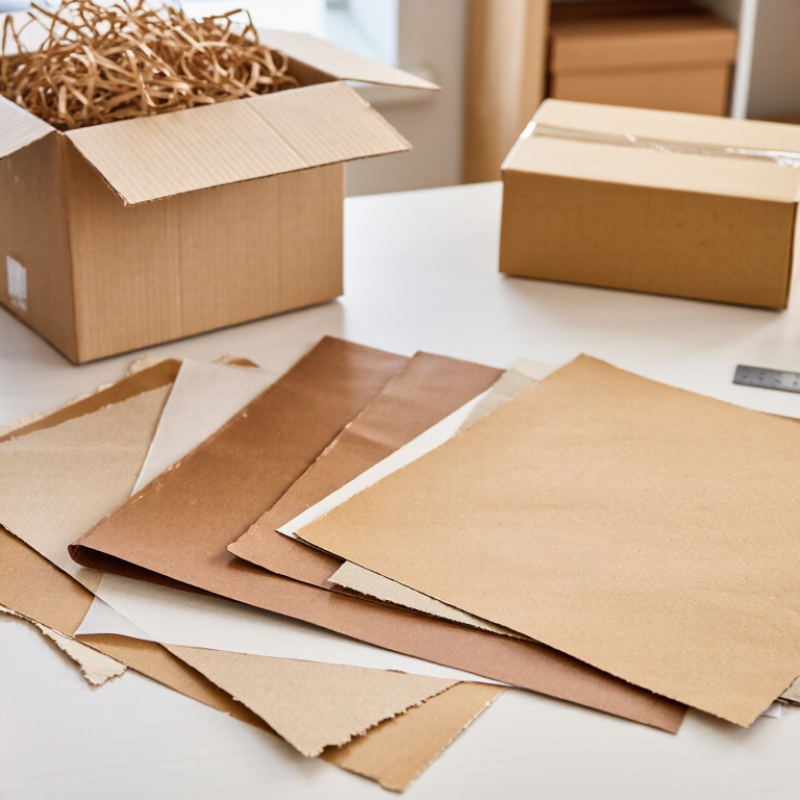
Eco packaging paper sheets are flat paper materials used to wrap products, cushion items, or separate goods inside a box. They can contain recycled fibers, wood pulp from responsibly managed sources, or a blend. Their texture and strength vary. A thin sheet may suit lightweight clothing, while a denser sheet can help protect a ceramic mug. Appearance matters, but a sheet that splits during packing can create extra waste.
Making the sheets starts with turning recovered paper or wood fibers into pulp using water. The pulp is cleaned and screened to remove unwanted particles, then spread across a moving mesh. Water drains away as the fibers form a wet web. Pressing removes more water, and heated rollers dry the sheet before it is cut to size. Some papers receive coatings or additives for moisture resistance or a smoother finish. Those treatments can affect recycling, so claims should be checked rather than assumed. The process is not always uniform; fiber quality can change from batch to batch.
Tips: Match sheet weight to your product and packing method. Test a sample around corners and seams. Check whether coatings are present, and ask suppliers for clear material details. Small trials help. They may reveal a weak spot.
Eco packaging paper sheets are paper-based materials used to wrap, cushion, separate, or present products. Their environmental impact depends on fiber sourcing, manufacturing, coatings, transport, and whether local recycling or composting systems accept them. Basis-weight ranges below are indicative; availability and specifications vary by supplier.
| Paper sheet type | Typical fiber source | How it is generally made | Indicative basis weight | Suitable uses and selection points | End-of-life considerations |
|---|---|---|---|---|---|
| Recycled kraft paper | Recovered paper fibers, sometimes blended with other pulp. | Recovered paper is sorted, pulped with water, cleaned to remove contaminants, formed into a wet web, pressed, dried, and wound or cut into sheets. | About 60–120 g/m² for many wrapping and packaging grades. | Useful for wrapping, void fill, and interleaving. Check tear strength, recycled-fiber content, and whether the grade suits the product’s weight and handling conditions. | Usually recyclable when clean and uncoated, subject to local collection rules. Food, oil, adhesive, or other contamination can affect acceptance. |
| Unbleached kraft paper | Usually virgin wood pulp; some products may include recycled fiber. | Wood is processed into pulp, commonly using a kraft chemical pulping process. The pulp is washed, formed into paper, pressed, dried, and converted into sheets. | About 40–120 g/m² for common wrapping grades. | Often chosen for general wrapping and bags where useful strength is needed. Confirm the required strength and ask for documented fiber-sourcing information if responsible sourcing is important. | Uncoated, clean paper is commonly recyclable where accepted. Natural brown color alone does not prove that a product is recycled or environmentally preferable. |
| Lightweight tissue or interleaving paper | Recycled fiber, virgin pulp, or a blend, depending on the grade. | Pulp is formed into a thin, lightweight sheet, then dried and cut. Some grades may be colored or treated for particular handling needs. | About 17–40 g/m² for many tissue and wrapping grades. | Suitable for separating or lightly wrapping delicate items. It offers little cushioning by itself, so fragile products may need a separate protective material. | Clean, uncoated grades may be recyclable where local systems accept them. Very thin fibers may not be accepted by every collection program; check local guidance. |
| Glassine paper | Typically wood pulp. | Paper is highly refined and passed through pressure and heat during finishing to create a smooth, dense, translucent sheet. Some products may have additional treatments. | Often about 30–90 g/m², depending on the grade. | Used as a smooth release or barrier sheet for suitable applications. Verify grease, moisture, or release performance for the specific product; do not assume all glassine is suitable for direct food contact. | Uncoated glassine may be recyclable in some programs, but acceptance varies. Confirm the exact grade and local recycling requirements. |
| Coated or laminated paper | Paper fibers with a surface coating or an added layer, such as a polymer film. | A paper base is made first, then coated, treated, or bonded to another material to add properties such as moisture or grease resistance. | Varies widely by base paper and coating; request the full product specification. | Consider when a functional barrier is necessary. Ask what the coating is made of, whether it affects recyclability, and whether the sheet meets the intended use requirements. | Some coatings and laminations make paper harder to recycle through standard paper streams. Compostability should be claimed only when supported by relevant certification and accepted facilities. |
| Corrugated paper sheet or pad | Paperboard liners and a fluted paper layer, often made with recycled fiber; composition varies. | Paper is formed into a fluted layer and bonded between or to flat liner sheets, then cut into pads or sheets. | Varies by flute profile, number of layers, and liner weight; compare thickness and strength specifications rather than basis weight alone. | Useful for cushioning, separating, or reinforcing shipments. Select flute structure and pad size based on product weight, fragility, and shipping conditions. | Generally recyclable as corrugated fiberboard when clean and dry, subject to local rules. Remove non-paper attachments where required. |
Update your browser to view this website correctly. Update my browser now