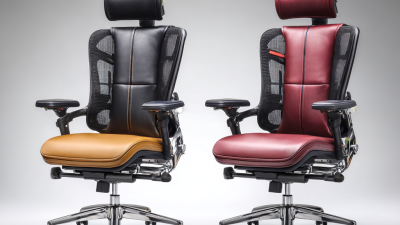
How to Choose the Best Office Chairs for Your Needs?
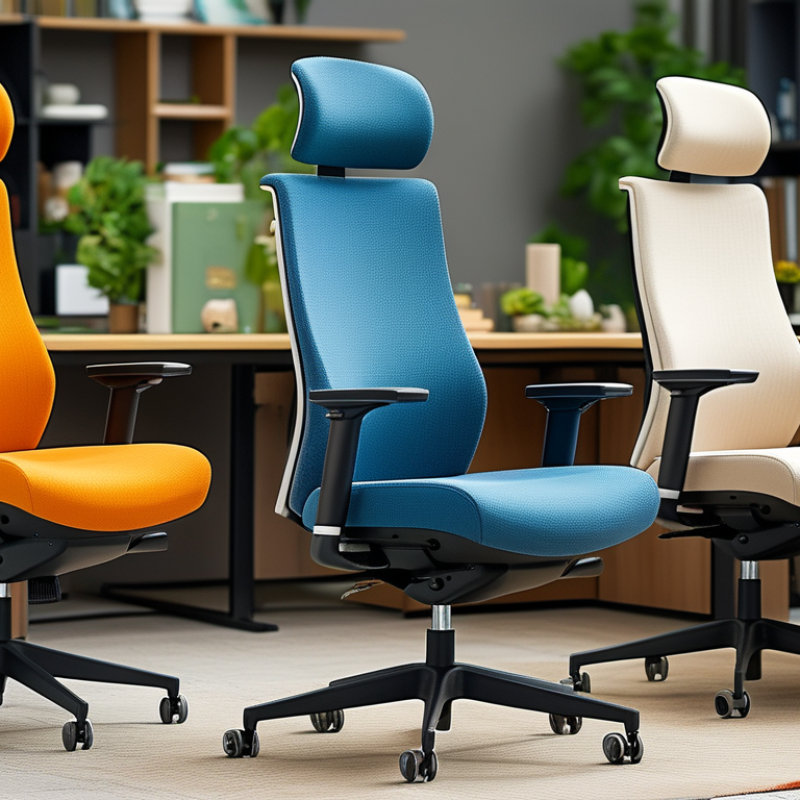
Choosing the right office chairs can significantly impact your work experience. With countless options available, it is essential to consider several factors. Comfort is paramount. A chair that supports your posture helps reduce fatigue during long hours.
Materials are also important. Look for breathable fabrics that keep you cool. Additionally, the adjustability of office chairs matters. Chairs with height adjustments and lumbar support offer customizable comfort. This flexibility helps cater to individual needs.
It's worth noting that not all chairs fit all users. Trying a chair before purchasing is ideal. Your body type and personal preferences play a significant role in your choice. Take your time to assess what features are essential for you. Balancing aesthetics with functionality can lead to a worthy investment for your workspace.
Understanding Different Types of Office Chairs and Their Uses
Choosing the right office chair can greatly affect your productivity and comfort. Different types of office chairs cater to various needs. For example, ergonomic chairs provide excellent lumbar support, promoting healthy posture during long hours of work. These chairs often feature adjustable height and tilt, allowing users to find their optimal seating position.
Another common type is the executive chair. It combines comfort with a professional look. These chairs typically have plush padding and armrests. They might not offer as much adjustability, but their luxurious feel makes them a popular choice for many. However, consider how much movement you need. If you frequently shift positions, an ergonomic chair may be better suited for your needs.
Pay attention to the materials used. Mesh chairs offer breathability, making them ideal for warmer environments. Faux leather chairs, while stylish, may not provide the same level of ventilation. The right choice depends on your office's climate and your personal comfort. Reflect on what features matter to you the most. Your ideal chair should enhance your workspace experience, not detract from it.
Key Features to Consider When Selecting an Office Chair
When selecting an office chair, comfort should be a priority. According to the American Chiropractic Association, approximately 31 million Americans experience lower back pain. An ergonomic chair can reduce this risk by providing proper lumbar support. An adjustable backrest and seat height can help customize the chair to fit various body types.
Additionally, consider the material of the chair. Breathable fabrics can enhance comfort during long hours of work. A study by the Center for Health and Safety Culture found that seating comfort significantly impacts productivity levels. Investing in a chair with adequate cushioning can minimize discomfort.
Mobility also plays a crucial role. Chairs with smooth-rolling casters allow freedom of movement without straining. This feature can encourage employees to stay active and reduce the likelihood of sedentary issues. Assessing these features can lead to a better work environment and improved health outcomes over time.
Assessing Ergonomics for Comfort and Posture Support
Choosing an office chair that emphasizes ergonomics can greatly influence your comfort and overall health. Studies reveal that nearly 80% of adults experience back pain at some point. A well-designed chair provides lumbar support, helping to maintain proper spinal alignment. Features like adjustable height, seat depth, and armrest height can minimize strain on your body.
Research from the Occupational Safety and Health Administration indicates that simply using ergonomic chairs may reduce workplace injuries by up to 20%. Consider your daily habits; if you're sitting for long hours, a chair with memory foam cushioning can enhance comfort. The layered padding promotes blood circulation and reduces pressure points.
Despite these benefits, many individuals overlook the importance of fit. An average chair may not suit every body type. Take time to test various models. Pay attention to how the chair supports your posture while typing or leaning back. You’ll likely discover that a chair requiring adjustments may challenge your productivity initially, making reflection on your needs vital for long-term comfort. Investing in an ergonomic chair should be an informed decision.
How to Choose the Best Office Chairs for Your Needs? - Assessing Ergonomics for Comfort and Posture Support
| Chair Feature |
Description |
Importance for Ergonomics |
| Adjustable Seat Height |
Allows users to set the height to their comfort level. |
Critical for aligning knees and hips, promotes proper posture. |
| Lumbar Support |
Provides support for the lower back. |
Essential for reducing lumbar strain and discomfort. |
| Seat Depth Adjustment |
Allows adjustment of the distance from backrest to seat edge. |
Helps maintain proper posture and support thighs correctly. |
| Armrest Height and Width Adjustment |
Enables personalized adjustment of armrest position. |
Prevents shoulder and neck strain, supports arms comfortably. |
| Swivel Base |
Allows easy rotation to reach different areas of the workspace. |
Enhances movement efficiency, minimizing strain from twisting. |
| Material Breathability |
Fabric or mesh that promotes airflow to reduce heat buildup. |
Improves comfort during long hours of sitting, reduces sweat. |
Establishing Your Budget for Office Chair Purchases
Establishing your budget for office chair purchases is crucial. Consider how much you can allocate without compromising the quality you need. A comfortable chair can enhance productivity and reduce health risks. Set a realistic price range based on your requirements and workspace.
Be aware of the features you truly need. Ergonomics, adjustability, and material can heavily influence the price. Cheaper options may lack essential support, leading to discomfort over time. Exploring mid-range options may provide a balance between cost and quality. Always remember, investing a bit more upfront can save money on health issues later.
It's common to overlook the long-term benefits of a good chair. Cheap chairs often lead to frequent replacements. Investing wisely means considering durability and support. Reflect on your work habits and the amount of time spent sitting. This reflection ensures that your budget aligns with your actual needs and work environment.
Testing and Reviewing Chairs Before Making a Final Decision
Testing and reviewing office chairs can significantly impact your final decision. Start by identifying your primary needs. Consider factors like lumbar support, seat height, and material. Finding a chair that complements your workspace and promotes comfort is vital. A chair might look appealing but fail to provide necessary support.
Once you have shortlisted a few options, it's time to test them. Spend at least 15 minutes sitting in each chair. Pay attention to how your body feels. Are you sinking too low? Is your back supported? Testing allows you to assess comfort and functionality.
Be aware that even after thorough testing, the chair might not meet all expectations over time. User reviews and expert insights can shape your understanding but remain critical. Everyone has different preferences and needs. Not every chair will fit your body type or work habits. Keep an open mind and be willing to adapt to your choice as you evaluate your comfort level after extended use.