How to Choose the Best Sliding Roller for Your Needs?
Choosing the right sliding roller can significantly impact efficiency and safety in various applications. According to a recent industry report by Market Research Future, the demand for sliding rollers is projected to grow by 7% annually over the next five years. This growth reflects their essential role in industries like manufacturing, logistics, and construction.
Factors in selecting a sliding roller include load capacity, material type, and application environment. For example, heavy-duty rollers are crucial for high-load scenarios, while lightweight options benefit easier movement. However, many users often overlook the importance of compatibility with their systems. Skipping this might lead to unexpected failures.
It's also vital to consider user feedback. A survey from the National Association of Manufacturers revealed that 30% of businesses experienced performance issues due to improper roller selection. This highlights the need for careful evaluation. Ultimately, it's about balancing your requirements with available options to find the best sliding roller for your needs.
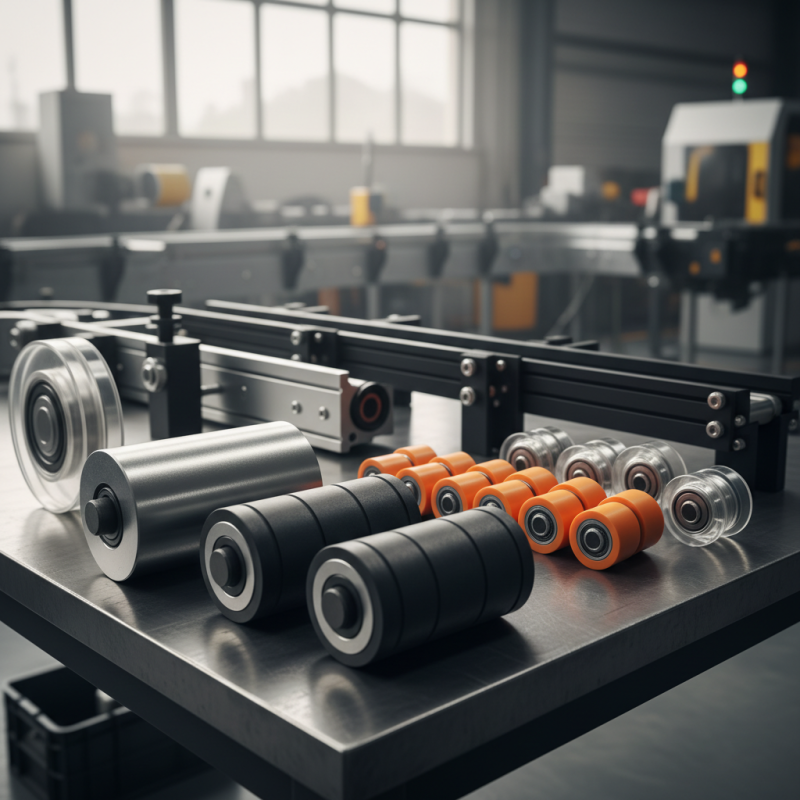
Understanding the Different Types of Sliding Rollers Available
When choosing a sliding roller, understanding the types available is essential. There are multiple categories. Each type serves specific needs and applications. For instance, some are designed for heavy loads, while others work well with lighter items. It's crucial to assess your task before deciding.
Ball bearing rollers are popular. They reduce friction effectively. However, they may not support very heavy weights. On the other hand, plain rollers can handle larger loads. They often lack the smoothness found in ball bearing options. This trade-off can affect overall performance, especially in fast-paced environments.
Moreover, there are material variations. Some rollers are made from durable plastic. Others use heavy-duty metal. Each material comes with benefits and drawbacks. Plastic might be quieter, but metal can withstand harsher conditions. Relying heavily on one type without considering others might lead to unforeseen challenges. Testing different rollers could provide better insight.
Comparison of Different Types of Sliding Rollers
This chart illustrates the weight capacity of different types of sliding rollers, helping you determine which slider fits your needs best based on their material properties.
Key Factors to Consider When Choosing a Sliding Roller
Choosing the right sliding roller can significantly enhance your workflow. One key factor is the load capacity. Different projects require different strength levels. According to a recent industry report, 70% of users experience issues when the roller does not match the load specifications. Properly assessing weight requirements prevents mishaps.
Material is another crucial consideration. Rollers are typically made from nylon, steel, or polyethylene. Each material has unique benefits. For instance, nylon offers flexibility and reduces noise. Conversely, steel provides durability but can be heavier. A survey showed that 60% of users prefer materials that align with their specific applications. This suggests that material choice should fit the intended use.
Lastly, examine the roller's design. Many users overlook this aspect. Compact designs often offer more versatility but may lack durability in heavy-duty scenarios. A report indicated that 50% of buyers regretted not evaluating design thoroughly. Taking time to reflect on these factors is essential. Making an informed choice leads to better performance and satisfaction.
Assessing the Load Capacity and Weight Limitations of Sliding Rollers
Choosing the right sliding roller requires careful consideration of its load capacity. Weight limitations directly impact the efficiency of your tasks. It’s essential to understand how much weight the roller can support. A system that fails due to inadequate load capacity can lead to delays and additional costs. Always consult load guidelines provided by manufacturers. However, don’t rely solely on these figures.
Consider your specific needs. For instance, if you are moving heavy machinery, opt for a roller with higher load capacity. Yet, it’s important to remember that exceeding weight limits can lead to malfunction. Some rollers may seem sturdy but could fail unexpectedly under pressure. Be cautious about your selections, and don’t hesitate to reach out for advice.
Evaluating the materials used in a roller can offer insights into its durability. Metal rollers, for instance, often carry more weight than plastic ones. However, the weight itself can be a downside. Heavy rollers can be difficult to maneuver. Reflect on the balance between load capacity and ease of use. Each decision could lead to consequences that affect your operations negatively. Prioritizing the correct balance is key.
Material Options for Sliding Rollers: Which is Best for You?
When selecting sliding rollers, the material makes a significant difference. Common materials include plastic, steel, and aluminum. Each option brings unique benefits and drawbacks.
Plastic sliding rollers are lightweight and resistant to rust. They can perform well in wet environments. However, they may not support heavy loads. Steel rollers are robust and durable. They handle high weight and provide stability. Yet, they can corrode over time if not maintained properly. Aluminum is a middle ground, offering strength while also being resistant to corrosion.
Tips: Consider the environment. In moist areas, plastic or aluminum might be best. Assess your load requirements carefully.
Each material has its weaknesses. For instance, plastic may wear down faster under heavy use. Steel might need regular maintenance, especially in harsh climates. Aluminum is relatively lightweight but can bend under extreme pressure. Evaluating these factors effectively will guide you to the best choice for your sliding roller needs.
Maintenance Tips for Ensuring Longevity of Your Sliding Roller
Proper maintenance of sliding rollers is crucial for ensuring their longevity. Regular inspections can prevent minor issues from becoming significant problems. According to industry reports, nearly 25% of sliding roller failures result from neglecting basic maintenance practices. Cleaning the rollers weekly can significantly enhance their performance. Dirt and debris can accumulate, leading to inefficient operation.
It's essential to lubricate the sliding mechanisms every few months. Using the right type of lubricant can reduce friction and wear. The friction coefficient for well-lubricated rollers can decrease by up to 50%, ensuring smoother operation. However, many users overlook this aspect. In some cases, excessive lubrication can attract dust, creating more problems than it solves.
Also, check alignment and adjustments regularly. Misalignment can hasten wear and tear. Over time, misaligned rollers may lead to complete malfunction. Research indicates that proper alignment can extend the lifespan of sliding rollers by up to 30%. Always refer to manufacturer guidelines for best practices, but personal observations often lead to the best preventive measures.