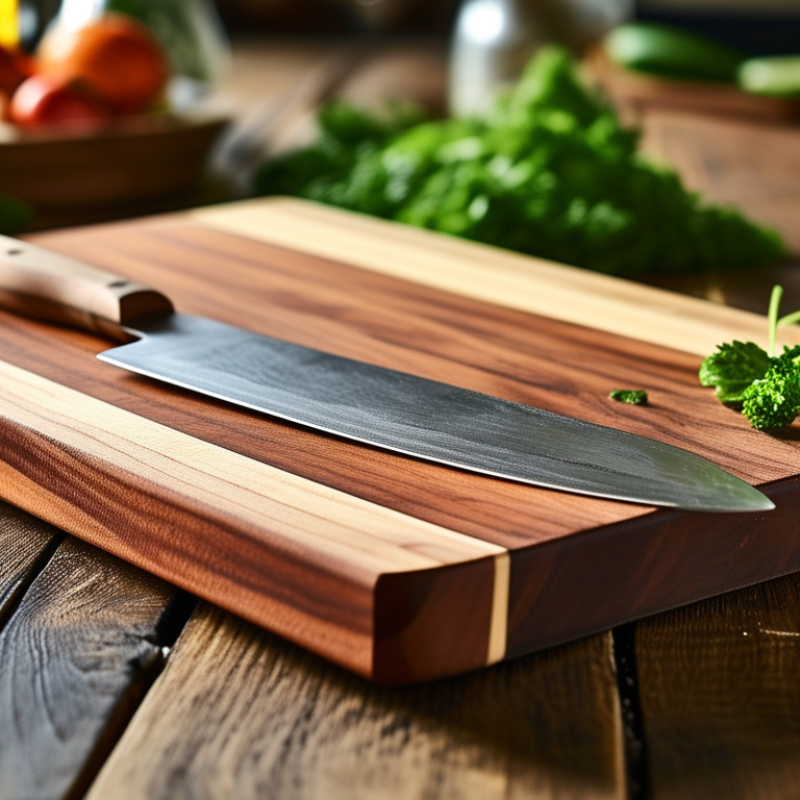
How to Choose the Best Wood Cutting Board for Your Kitchen?
Choosing the right Wood Cutting Board is essential for a functional kitchen. Renowned culinary expert Chef Thomas Keller emphasizes, “A quality cutting board can make all the difference in your cooking experience.” With countless options available, it's easy to feel overwhelmed.
The ideal Wood Cutting Board should be durable yet gentle on your knives. Consider the type of wood used. Hardwoods like maple and walnut are popular choices due to their longevity. However, they require proper maintenance. Regular oiling and cleaning are vital to ensure the board lasts.
Look for boards that offer a balance of size and weight. A board that is too light may slip during use, while one that is excessively heavy can be cumbersome. Finally, reflect on your cooking habits. A board that suits your style will enhance your culinary skills. Choosing wisely can lead to a better experience in your kitchen.
Types of Wood Materials Used in Cutting Boards
Choosing the right wood material for a cutting board significantly influences its performance and durability. Different types of wood bring unique qualities to the kitchen. Hardwoods like maple and walnut are popular choices due to their dense grain structure. These woods resist deep knife marks and are known for their longevity. Studies indicate that hardwood cutting boards can last for decades with proper care.
Bamboo, while technically a grass, is another option. It has a unique aesthetic and is eco-friendly. However, bamboo’s lower moisture absorption rate can lead to cracking over time. Softwood options, like pine, might seem appealing due to their lower cost, but they wear down quickly and harbor bacteria more easily.
Tips: Regularly oil your cutting board to keep it conditioned. This helps prevent drying and cracking. Also, avoid soaking your board in water. It leads to warping and reduces its lifespan. Remember, the right wood type can enhance your cooking experience. Recognizing the pros and cons of each material will aid in making an informed decision.
Factors to Consider When Choosing a Wood Cutting Board
When selecting the best wood cutting board for your kitchen, several key factors deserve your attention. First, consider the type of wood. Hardwoods like maple and walnut are durable and less prone to knife marks. Softwoods, while cheaper, may not withstand heavy use.
Another important aspect is the board's thickness. Thicker boards tend to be sturdier and resist warping over time. However, heavier boards can be cumbersome to manage. Look for a balance between weight and durability that suits your cooking habits.
Tips: Always check the grain direction. A tightly packed grain is less porous, reducing bacterial growth. Additionally, opting for a reversible board can offer more versatility in food preparation.
Finally, consider maintenance. Some boards require regular oiling to keep them in good condition. New owners might overlook this aspect. It’s essential to understand the required care to extend your board's lifespan. Remember, the perfect cutting board complements your kitchen, but it also requires commitment.
Maintenance and Care Tips for Wooden Cutting Boards
Maintaining your wooden cutting board is essential for its longevity and hygiene. A good practice is to wash it with warm, soapy water after each use. Avoid soaking the board in water. Prolonged exposure can lead to warping or cracking. Instead, quickly rinse and wipe it dry. This simple step can help you keep it in top shape.
Deep cleaning is also vital. Occasionally, use a mixture of vinegar and water to disinfect the surface. You can also sprinkle coarse salt and rub a half lemon over it for natural cleaning. This helps remove stubborn stains and odors. However, be cautious with these methods. Overuse can dull the wood's finish.
Regular oiling will maintain the board's surface and prevent it from drying out. Food-safe mineral oil is an excellent choice. Apply it generously and allow it to soak in overnight. Remember that lack of care can lead to bacteria build-up or damage. Mistakes happen; don’t be too hard on yourself if initial attempts aren’t perfect. Learning the best practices is part of the process.
Comparing End Grain vs. Face Grain Cutting Boards
When selecting a wood cutting board, understanding the differences between end grain and face grain is essential. End grain boards are made by gluing together pieces of wood with the grain facing upward. This design offers a unique advantage. It is more forgiving on knife edges, as the fibers can absorb the impact of the blade. Many professional chefs prefer them for this reason. They provide a durable surface and can enhance the longevity of your knives.
On the other hand, face grain boards consist of pieces laid flat, showcasing the wood's beautiful surface. They are typically lighter and less expensive. However, face grain boards can show knife marks more easily. They may need replacing sooner than their end grain counterparts. Each type has its pros and cons, and personal preference plays a significant role. Consider how you use your board. If you chop heavily and need durability, end grain may be the way to go. If aesthetics matter more, a face grain board could suit your needs better.
Eco-Friendly and Sustainable Wood Options for Cutting Boards
When selecting a wood cutting board, the choice of material matters greatly. Eco-friendly options contribute positively to the environment. Bamboo is popular, as it grows quickly and absorbs carbon. Its durability is commendable, but some users find it harder on knives.
Hardwoods like maple or cherry are traditional choices. They offer a natural look and resist bacteria well. However, sourcing practices can vary. It’s essential to ensure the wood comes from sustainable forests. Reclaimed wood is another great option, giving new life to old materials. Just be cautious; reclaimed boards might carry contaminants.
Ultimately, the best board aligns with your values and needs. Consider where the wood originates. Research the suppliers and their sustainability efforts. This mindful approach not only enhances your kitchen but also supports environmental well-being. Choose wisely, as each decision impacts our planet.
How to Choose the Best Wood Cutting Board for Your Kitchen? - Eco-Friendly and Sustainable Wood Options for Cutting Boards
| Wood Type | Sustainability Rating | Durability | Maintenance Needs | Price Range (USD) |
| Bamboo | High | Moderate | Low | 20-50 |
| Maple | Moderate | High | Moderate | 30-80 |
| Teak | Low | Very High | Moderate | 50-150 |
| Walnut | Moderate | High | High | 40-120 |
| Cherry | Moderate | High | Moderate | 35-100 |