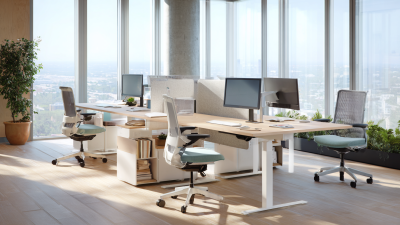
What is Office Furniture? A Comprehensive Guide to Choosing the Right Pieces
Office furniture plays a crucial role in shaping the productivity and comfort of a workspace. As businesses evolve and the nature of work changes, selecting the right office furniture becomes increasingly important. This comprehensive guide aims to demystify the various types of office furniture available in the market today and provide insights into how to pick the ideal pieces to enhance both functionality and aesthetics in your workplace.
From ergonomic chairs that support long hours of sitting to versatile desks that accommodate technology and collaboration, office furniture is not just about aesthetics; it is about creating an environment conducive to work and innovation. This guide will explore the essential types of office furniture, their features, and the factors to consider when making a purchase. Whether you are outfitting a home office, a corporate environment, or a co-working space, understanding the myriad options available can help ensure that your investment in office furniture leads to a more productive and enjoyable working experience.
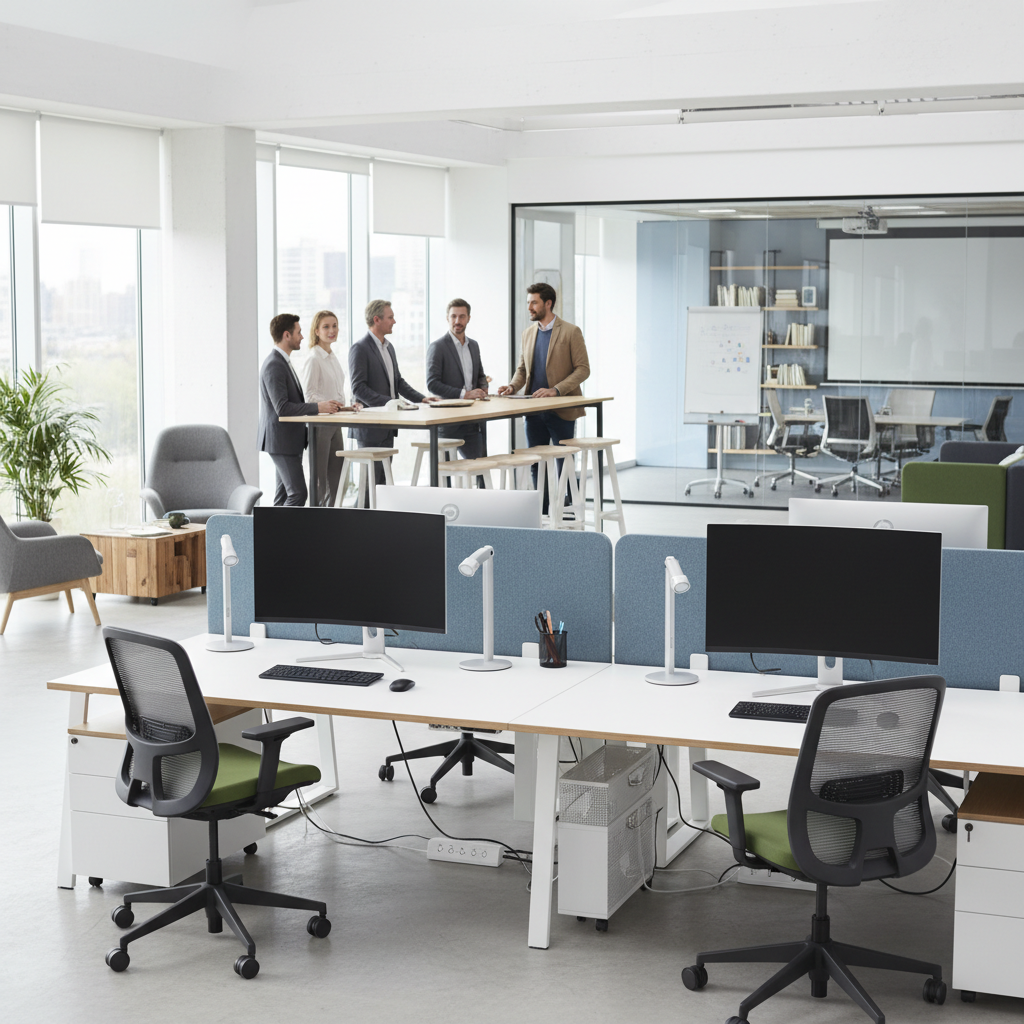
Understanding the Importance of Office Furniture in the Workplace
In any workplace, the importance of office furniture cannot be overstated. It plays a crucial role in enhancing productivity, promoting employee well-being, and creating a professional atmosphere. Quality office furniture provides support during long working hours, reduces the risk of injury, and contributes to an organized space that fosters creativity and collaboration. Investing in the right pieces can significantly impact both employees' morale and the overall efficiency of the organization.
Tips: When selecting office furniture, consider ergonomic designs that support healthy posture and comfort. Adjustable chairs and desks allow for personalized setups catering to individual preferences. Additionally, think about the layout of your workspace; a well-planned arrangement can facilitate better communication among team members. Lastly, choose materials and colors that reflect your company's brand identity to create a cohesive look that inspires pride in the workplace.
Key Factors to Consider When Choosing Office Furniture
When selecting office furniture, several key factors should be considered to create an optimal workspace that enhances productivity and attracts top talent. According to recent insights from JLL’s “2024 Global Future of Work Survey,” modern office designs should prioritize flexibility and adaptability, allowing spaces to accommodate various work styles.
The global office furniture market is expected to grow from $613.5 billion in 2025 to $995.8 billion by 2032, reflecting a compound annual growth rate of 7.17%. This growth indicates a rising importance placed on creating well-designed work environments.
Moreover, the global furniture leasing services market is projected to reach a value of $83.74 billion in 2024, with continuous growth expected through 2032. As businesses increasingly invest in enhancing their office aesthetics and functionality, factors such as ergonomic design and modular furniture options are becoming vital in the decision-making process. By choosing the right furniture, companies can foster collaboration and innovation, ultimately driving employee satisfaction and retention.
Top 5 Essential Office Furniture Pieces for Every Business
When setting up an office, choosing the right furniture pieces is crucial for both functionality and employee well-being. According to a study by the American Psychological Association, an optimized workspace can boost productivity by up to 20%. Here are the top five essential office furniture pieces every business should consider.
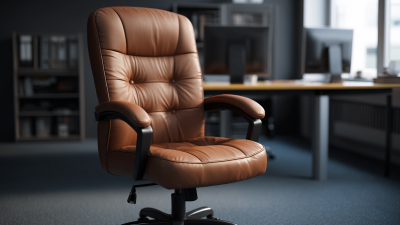
First, ergonomic chairs are indispensable. Studies from the Global Wellness Institute indicate that businesses investing in ergonomic furniture see a reduction of 24% in employee absenteeism due to health-related issues. A well-designed chair not only supports spinal health but also keeps employees comfortable throughout the workday.
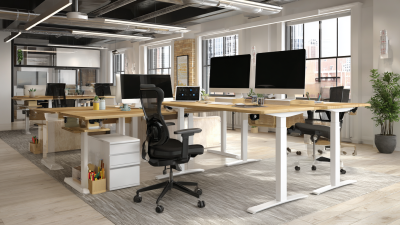
Next, a sturdy desk suitable for various tasks is vital. The International Facility Management Association reports that height-adjustable desks enhance collaboration and allow for better posture, leading to increased concentration and satisfaction among workers. Additionally, an organized filing cabinet remains key for efficient document management, with surveys showing that over 60% of office workers spend unnecessary time searching for files. Investing in these essential pieces not only improves workflow but also demonstrates a commitment to employee health and productivity.
Exploring Different Styles and Materials for Office Furniture
When selecting office furniture, understanding the various styles and materials available is crucial to creating a productive and aesthetically pleasing workspace. According to a report from IBISWorld, the US office furniture manufacturing industry is expected to reach $13 billion in annual revenue by 2023, highlighting the growing demand for customized solutions that cater to diverse business needs. The right choice of furniture can enhance employee satisfaction, which, according to a study by Gallup, can increase productivity by 21%.
Modern office furniture comes in a range of styles, from ergonomic designs that prioritize comfort and health to contemporary aesthetics that promote a creative atmosphere. Materials such as steel, wood, and eco-friendly composites not only influence the durability of the pieces but also their environmental impact. Research from Grand View Research indicates that the global office furniture market is projected to expand at a CAGR of 5.6% from 2021 to 2028 as businesses increasingly focus on sustainable materials. Therefore, selecting office furniture that aligns with both functional needs and corporate values is essential for fostering a conducive work environment.
Office Furniture Materials and Their Popularity
This chart illustrates the popularity of different materials used in office furniture, showcasing preferences for each material among consumers.
Maximizing Productivity with Ergonomic Office Furniture Solutions
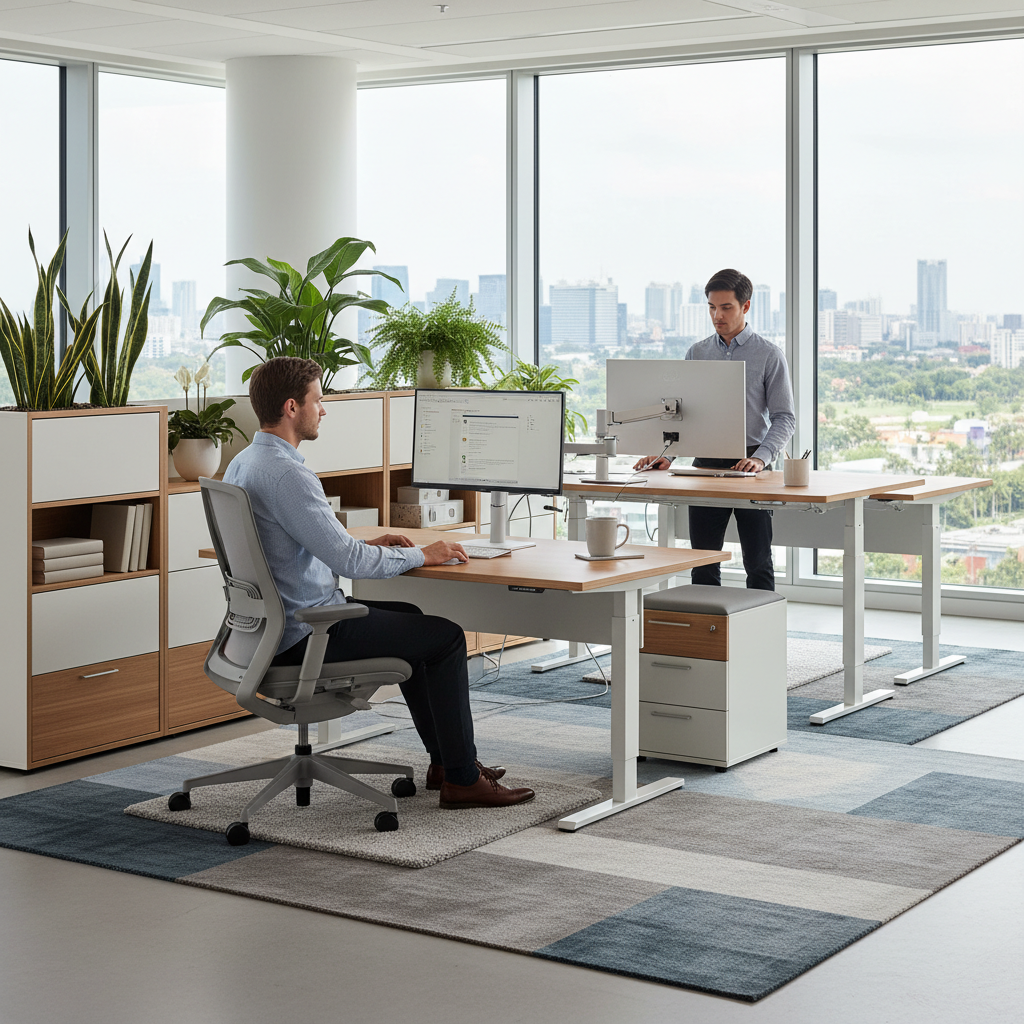
In today’s fast-paced work environment, the significance of ergonomic office furniture in enhancing productivity is undeniable. According to a report from the American Journal of Public Health, ergonomic workspaces can lead to a 25% reduction in workplace injuries and a 30% increase in overall productivity. This shift towards prioritizing comfort—where aspects like adjustable chairs, sit-stand desks, and smart storage solutions are becoming essential—aligns with the growing recognition that our physical workspace has a direct impact on our mental well-being and efficiency.
As home offices evolve to accommodate both professional and personal spaces, innovative design strategies have emerged. Recent studies indicate that well-defined zones within multi-functional areas can enhance focus and productivity. Small office setups that implement space-saving solutions reflect a trend, where a personalized work environment is not only stylish but also optimized for performance. By leveraging smart layouts and incorporating functional furniture, individuals can create a seamless transition from living areas to productive workspaces, ensuring that both comfort and efficiency are maximized.