A Fake Michael Kors Bag can resemble the real thing at first glance: familiar logo, neat stitching, and a polished metal clasp. Yet authenticity is rarely decided by one detail. It takes a closer look at the materials, construction, labels, and seller’s documentation. A smooth logo is not proof. Neither is a convincing dust bag.
The scale of counterfeiting makes careful checks worthwhile. A 2021 OECD and EUIPO report estimated that counterfeit and pirated goods represented up to 2.5% of world trade in 2019, worth about US$464 billion. That figure covers many products, not Michael Kors bags alone, but it shows why shoppers should treat suspiciously low prices and inconsistent product details with care. Small details matter.
This guide explains common warning signs, including uneven lettering, loose threads, mismatched hardware, and packaging that differs from the brand’s usual presentation. These clues can raise questions, but none proves a bag is fake by itself. For reliability, compare the item with current brand information and seek an assessment from a qualified authenticator when needed. I could not verify a named Michael Kors-bag expert’s quotation for this introduction, so I will not invent one. That gap is worth noting: authentication advice should be traceable, specific, and honest about its limits.
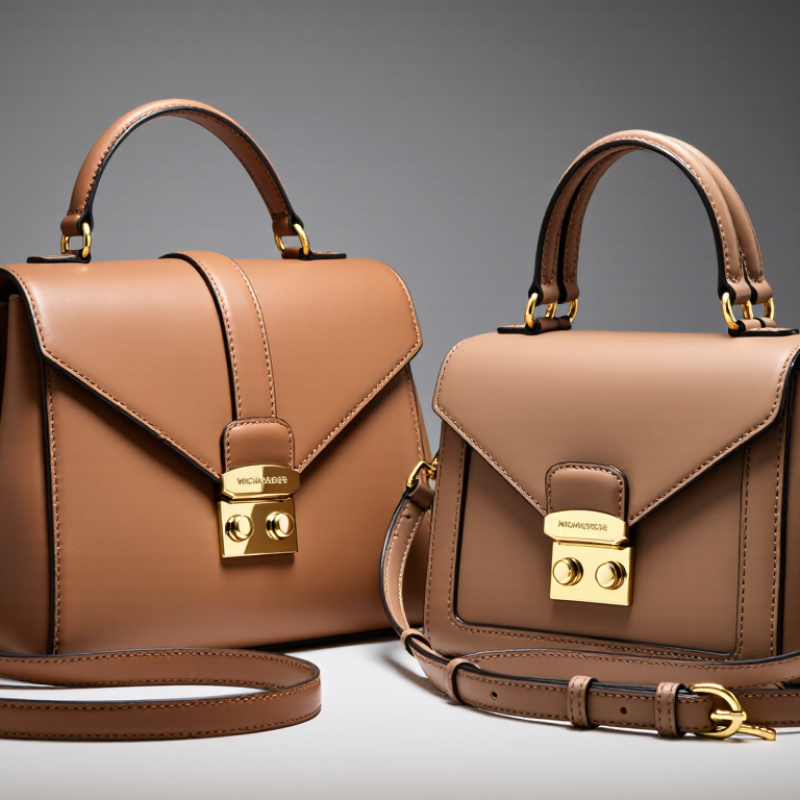
A fake Michael Kors bag is an item presented as authentic when its materials, construction, or history do not support that claim. Counterfeits may copy familiar shapes and logos, but small details often differ. Stitching can look uneven, metal fittings may feel unusually light, and printed patterns may not line up at seams. Still, one flaw alone is not proof. Genuine products can show wear or minor variation, too.
Tips: Compare the bag with clear images from reliable retail or product archives. Check the spacing and shape of letters, seam consistency, lining, hardware, and interior labels. Ask for a dated receipt and inspect whether the seller’s details match the item. Be cautious if photos are blurry or answers feel evasive. A close look helps, but it cannot guarantee authenticity.
Counterfeiting generally relies on reproducing recognizable designs and presenting copies as genuine. Production can involve copied logos, look-alike materials, and packaging made to create a convincing first impression. Online listings may further obscure an item’s source through limited photos or vague descriptions. The process varies, so there is no single telltale sign. I’d treat authenticity as a judgment based on several clues, not one dramatic detail; sometimes the evidence remains incomplete.
The OECD and EUIPO estimated that counterfeit and pirated goods represented 2.5% of world trade in 2019, worth about US$464 billion. Their 2021 report drew on customs seizure data and trade records. This figure describes a global trade estimate, not the share of any single handbag category. It gives useful context. It cannot identify an individual bag.
A replica designer handbag may look convincing in a small online photo. In person, inspect the stitching: uneven spacing, loose threads, or puckered seams can raise questions. Check that the material feels consistent across the body and handles. Look closely at hardware, printed labels, and the alignment of interior pockets. Still, one flaw does not prove a bag is imitation. Genuine items can show wear, and photographs hide details.
Compare the exact model with reliable product documentation, including its shape, materials, and hardware placement. Ask for clear photos of seams, labels, and the interior, rather than relying on polished listing images. Keep the receipt and seller details. A surprisingly low price is a reason to pause, not proof by itself. Even careful checks have limits; independent authentication may be sensible when uncertainty remains.
A close inspection should begin with the logo, but one detail alone cannot confirm authenticity. Look at the spacing, letter shapes, and alignment across the front and interior. Edges should appear clean, not blurred or uneven. Check the stitching near handles and corners, where rushed work often shows. Threads should follow a steady line, with no loose ends or crowded knots. Still, handmade variation can happen. A slightly imperfect stitch is not proof by itself.
Feel the material in several places, including beneath a flap and around the base. It should feel consistent, without a strong chemical odor or thin, papery patches. Examine zippers, clasps, and rings for smooth movement and an even finish. Hardware that feels unusually light deserves a closer look. Read the labels carefully: print should be clear, and seams around them should sit neatly. Compare several features together, and use clear product images or a trusted retailer’s description when available. I have found that tiny details can be misleading. Lighting, wear, and repairs may change what you see, so treat any single warning sign with caution.
A serial code is a clue, not proof. Check its format and placement against reliable references for the exact model and production period. A code that looks neat can still be copied, so compare stitching, hardware, lining, and logo placement with verified product images. Packaging can help, but dust bags, tags, and boxes are easy to swap. Treat a perfect-looking package with caution.
Ask for an itemized receipt and confirm that its date, product description, and seller details match the bag. A receipt alone does not establish authenticity; details can be altered or may belong to another item. Check the seller’s business history, contact information, return policy, and independent customer feedback. OECD and EUIPO estimated that counterfeit and pirated goods represented up to 2.5% of world trade in 2019. That broad estimate covers many product categories, not handbags specifically, but it shows why paperwork should be checked rather than trusted at a glance.
Tips: Request clear, well-lit photos of the code, interior label, seams, and hardware. Compare them with several trusted references. If details conflict, pause. I would not rely on one code or a polished receipt; even careful checks can leave uncertainty.
| Check | What to Examine | Possible Warning Signs | How to Verify |
|---|---|---|---|
| Serial or date codes | Look for any product code, label, or identifying mark and compare its format and placement with reliable information for the specific model and production period. | A code that is missing, poorly applied, inconsistent with the item, or presented as unquestionable proof of authenticity. | Codes and labels vary; a plausible code alone does not prove that an item is genuine. |
| Packaging and labels | Check the overall print quality, spelling, materials, labels, and whether the packaging is appropriate for the item and its claimed age. | Blurry printing, misspellings, inconsistent details, or packaging used as the seller’s only evidence. | Compare details with trustworthy references for the same model. Packaging can be replaced, reused, or separated from an item. |
| Receipt or proof of purchase | Review the purchase date, item description, transaction details, and whether the document matches the item being offered. | Altered-looking details, mismatched product information, or a receipt that cannot be connected to the item. | A receipt supports a purchase history but is not conclusive; documents can be copied or paired with a different item. |
| Seller credentials | Assess the seller’s history, contact information, stated sourcing, written policies, and willingness to answer specific questions. | Pressure to pay quickly, vague answers, newly created accounts, or refusal to provide clear item photographs. | Check independent reviews and platform records. Use a payment method with buyer protection where available. |
| Construction and stitching | Inspect seam alignment, stitch spacing, edge finishing, lining, and the consistency of construction across the bag. | Loose threads, uneven seams, rough finishing, or visible glue where clean construction would be expected. | Compare with reliable images of the same model and account for normal wear, repairs, and manufacturing variation. |
| Materials and hardware | Look at the material’s texture and finish, hardware weight and coating, engraving quality, and how attached components function. | Flaking finishes, rough edges, inconsistent color, weak attachments, or hardware that feels unusually light for the design. | Use multiple details together; lighting, age, use, and repairs can affect appearance and feel. |
| Price and listing details | Compare the asking price with recent listings for similar items in comparable condition. Read the description closely. | A price far below comparable offers paired with urgency, vague claims, or limited photographs. | Consider condition, age, completeness, and market variation. A low price is a reason to investigate, not proof of counterfeiting. |
| Independent assessment | For a high-value purchase or unresolved concerns, seek an assessment from a qualified professional familiar with the item category. | A seller insisting that personal assurances or a single code make further checks unnecessary. | Ask what evidence the assessment covers and whether the assessor’s method and limitations are clearly explained. |
Important: No single code, receipt, packaging detail, or visual feature can establish authenticity on its own. Evaluate several independent indicators and consider the item’s model, age, condition, and documented history.
If a bag appears inauthentic, pause before using it or making a public accusation. Small differences can result from age, repairs, or changes between product versions. A single uneven stitch or faint logo is not proof. Photograph the bag in natural light, including its lining, hardware, seams, and any serial or product labels. Keep the receipt, listing, messages, packaging, and delivery details together. Don’t clean, alter, or repair it yet; those steps may obscure useful details.
Ask the seller for a written explanation and clear evidence of the original purchase. If doubts remain, consult an independent authenticator with relevant experience, and ask what their assessment can—and cannot—confirm. Their opinion may be useful, but no visual check is perfect. If you bought the bag as genuine, contact the marketplace or payment provider promptly and follow its stated process. Keep communication calm and factual. Avoid sending the item back until you have clear return instructions and tracking details. It can feel awkward to question a purchase, especially when the bag looks convincing. Still, careful records are more useful than a rushed conclusion.
Update your browser to view this website correctly. Update my browser now