How to Choose the Best Toilet Brush for Your Needs
Choosing the right Toilet Brush is less about finding the fanciest design and more about matching the tool to your bathroom. A narrow bowl, a tight space beside the toilet, or a shared household can all change what works well. Small details matter. Bristle shape affects how easily you can reach beneath the rim, while handle length can make cleaning more comfortable. A sturdy holder also helps keep the brush contained between uses. Not every brush fits.
Materials deserve a closer look, too. Plastic brushes are often lightweight and inexpensive, while silicone heads may feel easier to rinse clean; neither option is automatically best for every home. Check whether the head can be replaced, whether the handle feels secure when wet, and whether the holder allows water to drain or dry. These practical details can matter more than a polished product photo. I have found that a brush that looks convenient on a shelf may feel awkward around a toilet’s curves, so fit is worth considering before buying. This guide explains how to compare brush styles, materials, handles, and storage options, along with the basic care that helps keep the tool in usable condition. Your bathroom layout, cleaning routine, and budget should shape the choice. There is no perfect brush for everyone, and product descriptions do not always reveal how comfortable a brush is to use. A few sensible checks can narrow the options.
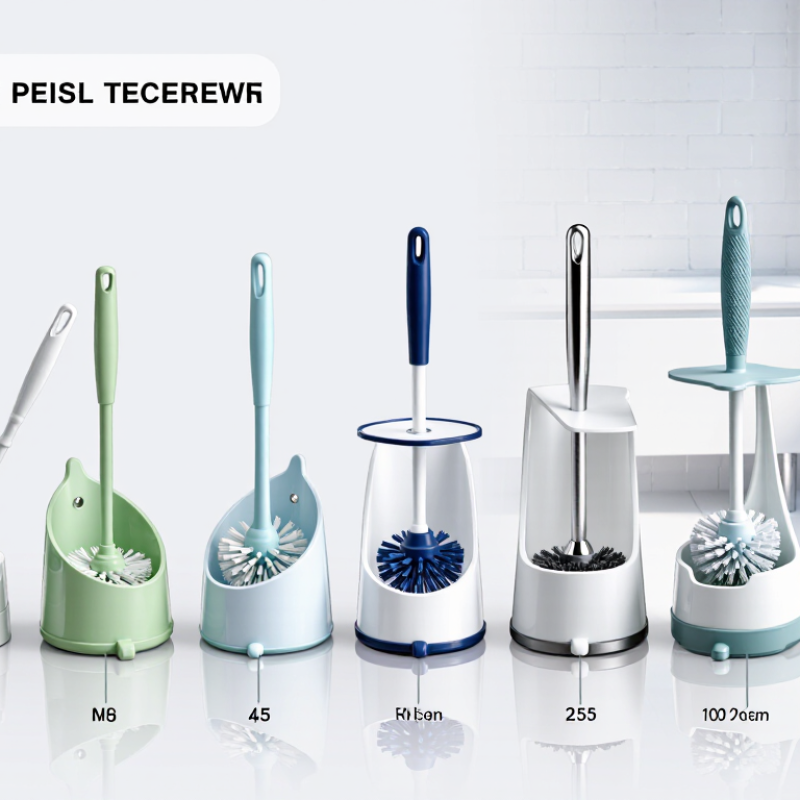
Understanding the Main Types of Toilet Brushes
Toilet brushes generally fall into three types: nylon-bristle, silicone, and disposable-head models. Nylon bristles scrub dried marks well, especially beneath the rim, but can hold water between uses. Silicone heads usually shed water faster and flex around curved bowls; they may feel less effective on stubborn, gritty stains. Disposable heads reduce the need to store a used brush head, but create more waste and require replacement refills. There is no perfect option. A narrow bowl can make a wide head awkward.
Handle design matters, too. A long handle keeps hands farther from the bowl, while a weighted holder is less likely to tip on tile. Wall-mounted holders free floor space, but need a secure mounting surface. For a close-fitting holder, check that the brush can dry rather than sitting in pooled water. EPA WaterSense’s tank-type toilet specification sets a maximum flush volume of 1.28 gallons per flush, compared with the 1.6-gallon federal standard for newer toilets. That figure describes water use, not brush performance, but it is a useful reminder that bowl shapes and rinse patterns vary. I would not choose by color alone. It is an easy detail to notice, and an easy one to regret.
Comparing Brush Materials, Shapes, and Handle Designs
Brush materials change how a toilet brush cleans and dries. Nylon bristles are flexible and can scrub stubborn marks, but debris may cling between them. Silicone heads usually rinse clean more easily and have less dense bristles. They may feel less effective on dried residue, though. Check that the head can reach beneath the rim, and let it drain before returning it to its holder.
Shape matters as much as material. A narrow, tapered head can fit around the trapway and tight curves, while a rounded head covers broader bowl surfaces. Angled bristles help reach under the rim without forcing your wrist into an awkward position. Small detail. Bowl shapes differ, so a head that looks ideal on the shelf may miss a hidden curve at home. Consider the brush’s actual reach, not just its outline.
A longer handle keeps hands farther from the bowl, while a textured grip is easier to hold with wet fingers. A heavy handle may feel sturdy but can be tiring during scrubbing. Look closely at the joint between handle and head; loose connections can make cleaning imprecise. A replaceable head can reduce waste, but only if replacements are easy to find. Not always. I would not treat one design as best for every bathroom: balance reach, grip, and drying needs against your bowl’s shape.
How to Choose the Best Toilet Brush for Your Needs
Comparing common brush materials, shapes, and handle designs
Scores are illustrative, practical ratings on a 1–5 scale, not standardized laboratory test results. Nylon bristles are flexible and widely used; silicone heads are nonporous and typically release water readily. A tapered head can reach under the rim, while a longer handle may improve reach and keep hands farther from the bowl.
Matching Brush Features to Your Toilet and Cleaning Habits
Match the brush to the bowl, not just the bathroom decor. A compact, tapered head can reach beneath the rim and around a narrow trapway; a broad head may clean open bowl surfaces faster. Check the handle length against your toilet’s depth, and make sure the holder lets the brush dry between uses. The U.S. EPA’s WaterSense Residential Toilets information says labeled toilets use 1.28 gallons per flush, at least 20% less than standard models. That figure does not determine brush choice, but it’s a reminder that toilet designs vary. Check the reach.
Choose bristle stiffness based on your routine and the bowl’s surface. Soft, flexible bristles can follow curves, while firmer bristles may lift dried residue with fewer passes. Avoid aggressive scrubbing on delicate finishes; check the toilet maker’s care instructions. CDC home-cleaning guidance notes that soap or detergent and water remove most germs from surfaces, with disinfection generally reserved for specific situations, such as illness. Rinse the brush after use, shake off excess water, and leave it somewhere ventilated. A covered holder looks tidy, but a damp brush can stay wet longer. I may overvalue a clever brush shape; reach and drying matter more.
Assessing Hygiene, Storage, and Maintenance Needs
Hygiene starts with the brush head and the place where it dries. Choose bristles firm enough to loosen residue, but flexible enough to reach beneath the rim. A compact head can fit around the bowl’s curves; an oversized one may miss narrow areas. Small details matter. If the bristles spread or hold an odor after cleaning, replacement is sensible.
Storage affects both cleanliness and convenience. A holder with drainage and airflow lets excess water escape, while a stable base helps prevent tipping on a damp floor. Keep the brush away from towels and items that touch your face. A fully enclosed holder may look neat, but trapped moisture can slow drying. An open holder dries faster, though it may need more frequent wiping. There is no perfect choice for every bathroom.
Maintenance should fit your routine. After use, rinse the brush over the bowl and let it drip before returning it to the holder. Clean the holder regularly, following any care instructions supplied with it. Replace a brush when its bristles become bent, discolored, or difficult to rinse clean. One small compromise: a brush that is easy to store is not always the easiest to dry, so check the holder’s design before choosing.
Balancing Durability, Price, and Overall Value
A toilet brush earns its keep through repeated wet use, so inspect the details that wear first. A firm, securely attached head resists bending around the bowl’s curve. A smooth handle is easier to grip with wet hands, while a ventilated holder lets the brush dry between uses. Small details matter. If bristles flatten quickly or the handle loosens, a low purchase price may not mean good value.
Compare cost with expected service life, not price alone. Divide the purchase price by the months you expect to use the brush, then consider whether replacement heads are available. There is no reliable industry-wide lifespan figure for toilet brushes, so treat durability claims cautiously. The U.S. EPA’s 2018 waste report counted 35.7 million tons of plastic in municipal solid waste, or 12.2 percent of the total. That figure covers many products, not toilet brushes specifically, but it gives useful context for choosing a sturdy item over frequent disposable replacements. Cheap can cost more.
A practical choice balances a solid head, a handle that feels stable, and a holder that drains without leaving a puddle. Check seams and joints; these can be easy to overlook. A pricier brush is not automatically better, and a sturdy one can still need replacing if its bristles stay damp or hold odor. I would weigh a modest price against easy cleaning and parts that do not wobble, while admitting that expected lifespan is partly a guess.