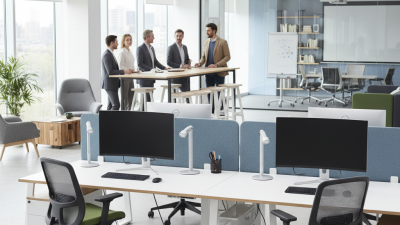
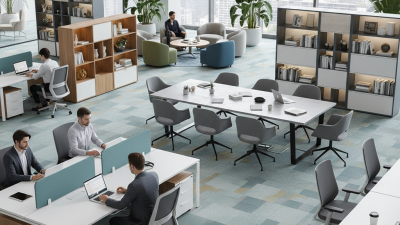
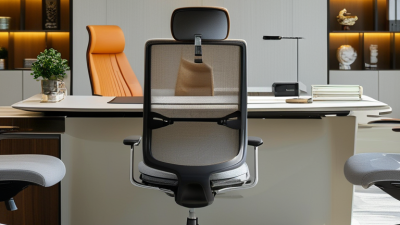
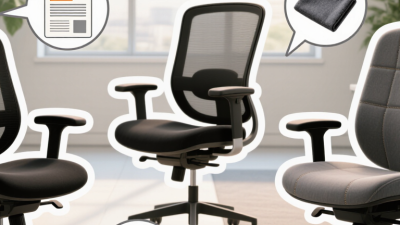
Office furniture shapes how people work, communicate, and recover during a demanding day. In practical terms, it includes desks, chairs, storage units, meeting tables, reception counters, and work accessories. A desk may support a monitor, keyboard, documents, and a warm coffee mug without feeling crowded. An adjustable chair should provide stable back support and allow feet to rest flat on the floor. Storage furniture keeps files, cables, and personal items controlled rather than scattered across shared surfaces.
Small details matter.
In workplace planning, practical experience shows that attractive furniture does not always perform well. A polished desk can produce glare, while a stylish chair may lack useful adjustment. Professional guidance therefore considers posture, circulation space, lighting, durability, cleaning needs, and the room’s daily workload. Reliable manufacturers usually provide dimensions, material information, weight limits, and care instructions. These details help buyers compare products with greater confidence.
Still, no checklist fits every office.
A small studio may need compact desks, mobile pedestals, and foldable meeting furniture. A growing company may prefer modular workstations that can change with its team. Healthcare, education, and reception areas often require different surfaces and stronger maintenance routines. This guide explains the main types of office furniture and the purpose each one serves. It also considers comfort, safety, style, budget, and long-term value. The right choice is rarely the most expensive option. It is the one that supports real tasks, real bodies, and real working habits. Mistakes can happen, but careful observation makes them easier to correct.
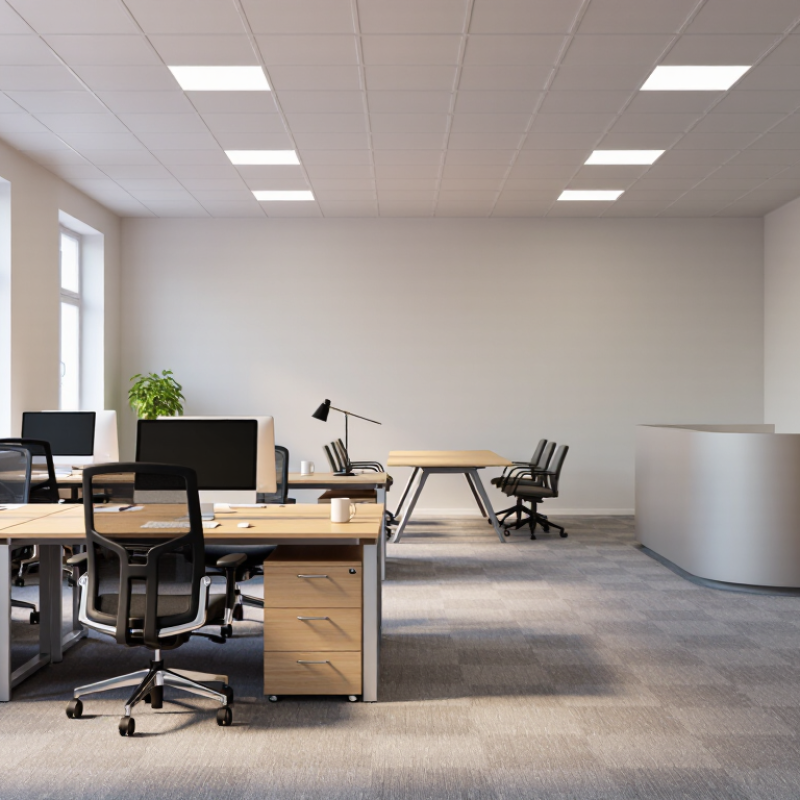
Office furniture includes the movable equipment that supports daily work in a professional space. Desks, chairs, storage cabinets, meeting tables, and reception counters are common examples. It should improve comfort, organization, and safe movement rather than simply fill an empty room. A well-designed workstation keeps the monitor near eye level and leaves enough legroom for natural posture. In practice, small details matter. A drawer that sticks can waste time every day.
Available types depend on the work being performed. Computer desks often include cable openings and space for screens. Executive desks provide a larger surface for documents and meetings. Adjustable-height desks allow users to alternate between sitting and standing. Ergonomic chairs usually offer seat-depth, lumbar, and armrest adjustments. Filing cabinets protect important records, while open shelving keeps frequently used materials visible. Collaborative tables support group discussions, but private workstations can reduce distractions. The best choice is not always the most expensive one.
Tips: Measure the room before purchasing furniture. Check doorways, walkways, and power outlets. Test a chair for at least several minutes, if possible. Look for stable frames, smooth edges, and easy-to-clean surfaces. Ask whether replacement parts are available. I have found that attractive furniture can still feel impractical after a busy week, so real daily use should guide the final decision.
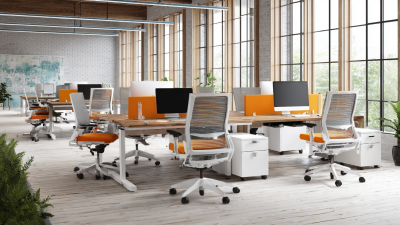
Office furniture is more than desks and chairs. It is the physical system that helps people work, meet, store information, and recover between tasks. A height-adjustable desk supports posture changes during long computer sessions. An ergonomic chair can reduce lower-back pressure when adjusted correctly. Monitor stands, keyboard trays, and task lighting create a clearer workstation. Storage cabinets protect documents and keep shared areas usable. Meeting tables and writable boards support planning, training, and quick problem-solving. Reception counters guide visitors and separate public movement from focused work.
Furniture also shapes collaboration. Open tables encourage brief exchanges, while acoustic screens provide needed concentration. Lockable storage supports privacy when files contain sensitive information. Breakout seating gives employees a place to pause, think, or speak informally. It should serve the task, not decorate the room.
In practice, no layout works perfectly for every team. A large desk may look efficient but waste valuable floor space. A compact chair may fit a room yet feel uncomfortable after hours. I have found that user feedback often reveals problems a floor plan misses. Measure walking paths, test seating, and review lighting at different times of day. Even then, preferences differ. Good office furniture remains adjustable, durable, and easy to maintain, because workplace needs rarely stay still.
Main Types of Office Furniture
Office furniture supports work, movement, and communication throughout the day. The main types include desks, chairs, storage units, meeting tables, and reception furniture. Desks may be compact, L-shaped, height-adjustable, or shared. Each option suits different tasks and room sizes. A height-adjustable desk can reduce prolonged sitting, but it does not replace regular movement. Office chairs need adjustable seat height, back support, and stable armrests. Small adjustments often matter more than expensive materials.
Storage furniture includes filing cabinets, shelving, cupboards, and mobile pedestals. Good storage keeps frequently used documents within reach and reduces clutter near walkways. Meeting tables should leave enough space for chairs, cables, and comfortable movement. Reception desks also need practical cable management and a clear visitor-facing layout. I have found that attractive furniture can still perform poorly when measurements are ignored. A narrow walkway or shallow desktop becomes frustrating after several weeks.
Tips: Measure the room before ordering furniture. Mark desk footprints with tape. Check door swings and power outlets. Test a chair for at least ten minutes, not one minute. Choose durable surfaces for busy areas, but inspect the edges and hardware carefully. Do not assume one layout suits every employee. A quieter worker may need a different setup from someone who handles frequent meetings. Reassess the arrangement after installation. Small changes can reveal problems that floor plans miss.
What Is Office Furniture and What Types Are Available?
Office furniture includes desks, chairs, storage units, meeting tables, screens, and accessories that support daily work. Its value depends on the workspace, not appearance alone. A 2021 Global Workplace Survey of more than 32,000 employees across ten countries found that 87% wanted greater choice in where and how they worked. Furniture should therefore support movement, concentration, collaboration, and privacy.
Open-plan areas need adjustable desks, ergonomic chairs, and acoustic screens. These features help employees shift posture and reduce visual distractions. Small private rooms work better with compact desks, task lighting, and vertical storage. Meeting spaces need flexible tables, comfortable seating, and clear cable management. Soft seating can support informal discussions, but it should not replace proper workstations for long tasks.
Different people need different settings. Quiet zones suit writing and analysis. Shared tables support short-term teamwork. Hybrid offices also require easy-to-move furniture, because unused fixed desks waste valuable space. Workplace research from the 2023 Global Occupancy Planning Survey reported continued changes in office attendance patterns, making adaptability increasingly important. The figures are useful, but they cannot predict every team’s behavior. In practice, workers may ignore a beautiful lounge when the chair lacks lumbar support. Small details matter. A poorly placed monitor or harsh light can undermine an expensive layout. Furniture selection should combine measured needs, employee feedback, and periodic review. No arrangement is perfect. It should be tested, adjusted, and sometimes questioned.
Typical furniture combinations for different workspace environments
Office furniture includes work surfaces, seating, storage, and collaborative fixtures designed to support different work activities. Private offices usually prioritize personal storage and focused work, while open-plan areas emphasize individual workstations. Meeting rooms require shared tables and seating, whereas collaborative lounges use flexible seating and occasional tables.
Office furniture includes the movable equipment that supports daily work. Common types include desks, ergonomic chairs, filing units, meeting tables, reception seating, and collaborative boards. Hybrid work has expanded this list to include compact workstations and flexible storage. Gallup’s State of the Global Workplace 2024 report found that only 23% of employees were engaged worldwide. The right environment cannot solve every engagement problem, but poor furniture can add unnecessary friction.
Ergonomics should guide every purchase. The Health and Safety Executive reported 543,000 workers with work-related musculoskeletal disorders in Great Britain during 2022/23. Choose chairs with adjustable seat height, lumbar support, and stable armrests. Desks should provide enough depth for a monitor, keyboard, and writing space. Height-adjustable options can support posture changes during long shifts. Test furniture with real users. Do not trust a showroom pose.
Space planning also matters. Measure circulation routes before ordering large tables or storage cabinets. Acoustic screens may reduce distraction in open offices, while lockable storage protects documents and personal items. Check surface durability, repairability, cleanability, and material emissions. Accessibility requires more than a wider doorway; controls, reach distances, and seating choices matter. An imperfect layout can look efficient on paper. In practice, a chair may block a drawer, or glare may reach the monitor every afternoon. Pilot a small area, collect employee feedback, and revise the plan before committing to the full office.
| Furniture Type | Primary Function | Common Features | Typical Materials | Recommended Use | Key Selection Factors |
|---|---|---|---|---|---|
| Workstation Desk | Provides a dedicated surface for computer work, writing, and office equipment. | Cable management Storage options Rectangular or L-shaped | Laminate, engineered wood, steel, or solid wood | Individual work areas, shared offices, and administrative spaces | Available floor space, desktop depth, legroom, durability, and cable access |
| Adjustable-Height Desk | Allows users to alternate between sitting and standing during the workday. | Electric or manual adjustment Height memory settings Stable frame | Steel frame, laminate, engineered wood, or bamboo | Flexible workspaces and users who prefer variable working positions | Adjustment range, weight capacity, motor noise, stability, and power access |
| Ergonomic Office Chair | Supports seated work and helps users maintain a comfortable working posture. | Adjustable seat height Lumbar support Armrests Casters | Mesh, fabric, molded foam, plastic, and metal | Computer-based workstations and long-duration desk work | Seat depth, back support, adjustability, seat cushioning, and user weight capacity |
| Guest or Visitor Chair | Provides seating for clients, visitors, and short meetings. | Fixed frame Stackable designs Lightweight construction | Fabric, leather alternatives, plastic, steel, or wood | Reception areas, meeting rooms, and visitor seating zones | Comfort, cleanability, stacking capacity, stability, and visual coordination |
| Conference Table | Creates a shared surface for meetings, discussions, and collaborative work. | Multiple shapes Power access Cable ports | Laminate, veneer, solid wood, metal, or glass | Meeting rooms, boardrooms, and project collaboration areas | Room size, seating capacity, technology integration, surface durability, and accessibility |
| Filing Cabinet | Stores and organizes paper documents and office supplies. | Lockable drawers Anti-tip mechanism Vertical or lateral format | Powder-coated steel, engineered wood, or laminate | Records storage, personal storage, and document-intensive offices | Security, drawer capacity, fire resistance requirements, floor load, and available space |
| Storage Cabinet | Stores supplies, equipment, books, and shared office materials. | Adjustable shelves Doors or open shelving Locking options | Steel, laminate, engineered wood, or glass | Supply rooms, open offices, libraries, and shared work areas | Storage volume, shelf load rating, security, access frequency, and cleaning requirements |
| Reception Desk | Defines the welcome area and supports reception, visitor management, and administrative tasks. | Raised transaction surface Built-in storage Cable routing | Laminate, veneer, solid-surface materials, glass, or metal | Reception areas, lobbies, clinics, and customer service spaces | Accessibility, privacy, circulation space, storage, durability, and brand-neutral appearance |
| Collaborative Seating | Supports informal discussions, teamwork, and short-duration work. | Modular layout Mobile components Acoustic options | Upholstery, foam, wood, plastic, and metal | Breakout areas, agile workspaces, lounges, and informal meeting zones | Flexibility, cleanability, acoustic performance, comfort, and reconfiguration needs |
| Office Partition | Divides work areas and helps balance privacy, collaboration, and efficient space use. | Modular panels Acoustic surfaces Integrated power | Fabric, glass, aluminum, steel, and composite panels | Open-plan offices, shared workstations, and flexible layouts | Privacy level, sound control, natural light, installation flexibility, and future changes |
| Mobile Pedestal | Provides personal storage near a workstation and can sometimes serve as a support surface. | Lockable drawers Casters Compact footprint | Powder-coated steel, laminate, or engineered wood | Individual workstations and offices with limited storage space | Mobility, drawer configuration, locking quality, stability, and clearance under desks |
Update your browser to view this website correctly. Update my browser now