What is Office Furniture Types and Their Uses?
Office furniture plays a crucial role in our daily work lives. It shapes our interaction and productivity. According to Thomas Wright, an expert in interior office design, “The right office furniture can inspire creativity and enhance collaboration.” This underscores the importance of choosing the right types of furniture for various work environments.
Different types of office furniture serve various purposes. Desks are often the focal point, influencing workflow. Chairs are not just for sitting; they affect comfort and posture. Conference tables facilitate teamwork and brainstorming sessions. Inadequate furniture can lead to distractions and discomfort, ultimately hindering productivity.
However, businesses often overlook the need for ergonomic designs. Many still opt for traditional setups, even if they’re less effective. This calls for reflection. Tailoring office furniture choices to the specific needs of employees can lead to a more engaged workforce. As companies evolve, so should their office furniture.
Overview of Office Furniture Types
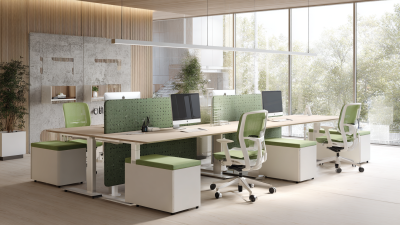
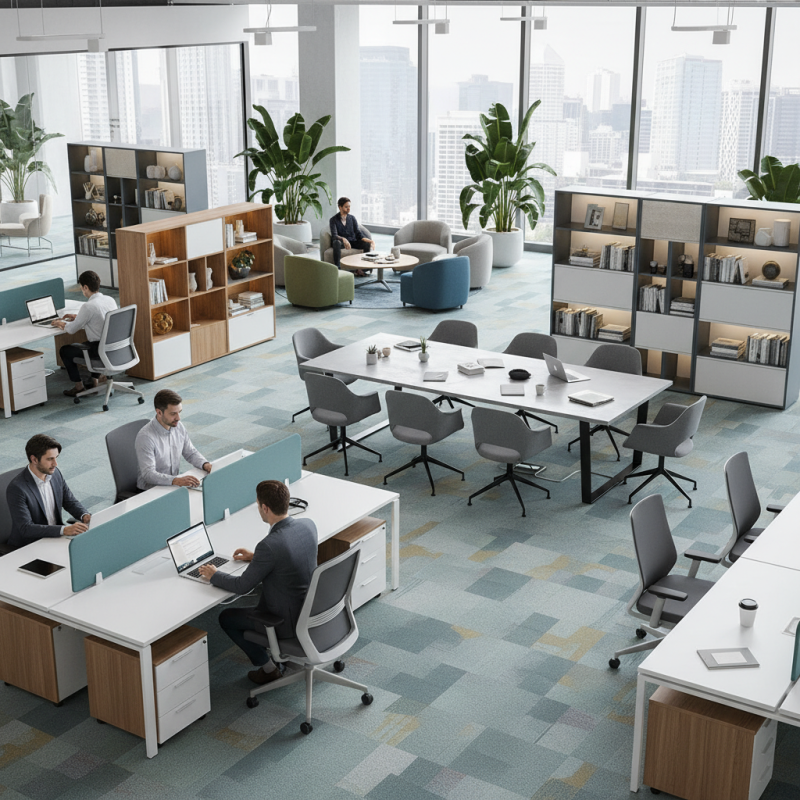
When it comes to office furniture, understanding the types and their uses is essential. Desks are the focal point of any workspace. They come in various styles, from traditional to modern. A standing desk encourages movement, while a classic desk offers stability. Each has its place in a well-designed office.
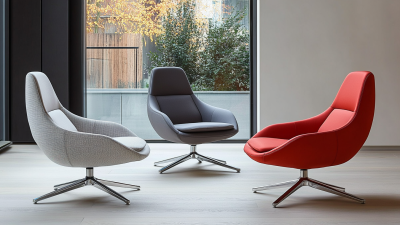
Chairs are just as important. Ergonomic options support long hours of work, reducing strain. Conference chairs should be comfortable for meetings, fostering collaboration. There are lounge chairs for relaxation, too. The right chair can make a difference in productivity.
Storage solutions are crucial in managing office clutter. Filing cabinets keep documents organized and accessible. Bookshelves help display important resources. While all these items have clear uses, choosing the right combination can be challenging. Sometimes, less is more, leading to a more productive environment. Balancing aesthetics with functionality is an ongoing process.
Ergonomic Office Chairs and Their Importance
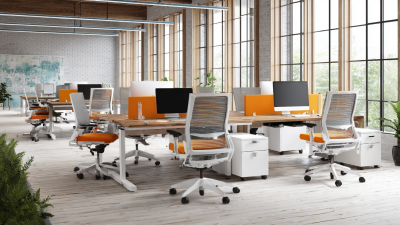
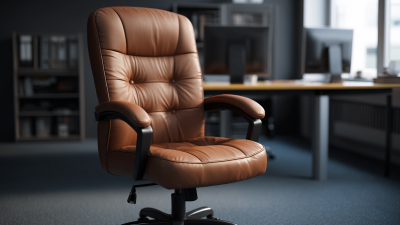
An ergonomic office chair is more than just a seat. It plays a crucial role in maintaining comfort during long work hours. Many workers experience back pain or discomfort due to poor seating. An ergonomic chair supports the spine's natural curve. This reduces strain and promotes better posture.
Finding the right ergonomic chair is not always straightforward. Some chairs look comfortable but may lack adequate support. Others may be too adjustable, leading to confusion. A true ergonomic chair should fit the individual's needs. Features like adjustable seat height, lumbar support, and armrest settings are important. However, these features can become overwhelming.
It's vital to test chairs before purchasing. Take your time to sit, adjust, and evaluate comfort. A quick sit won’t suffice. Spend about 15-20 minutes. Feel how the chair impacts your posture. This process might reveal flaws in your choice. Investing in the right chair is essential. Comfort directly affects productivity and overall health.
Desks: Variety and Functional Uses
When it comes to office furniture, desks take center stage. They come in various styles, shapes, and sizes, each serving unique purposes. For instance, a traditional wooden desk offers a classic look, ideal for a formal setting. On the other hand, a sleek, modern desk provides a minimalist vibe. It’s great for promoting creativity in startups.
Functional uses of desks vary widely. A spacious executive desk typically accommodates multiple monitors and paperwork. An L-shaped desk enhances productivity by creating distinct work zones. Standing desks have become popular, promoting healthier work habits. However, not all desks are ergonomic. Some may lead to discomfort after long hours. Choosing the right desk requires careful thought. What works for one person may not work for another.
It’s essential to reflect on your needs before purchasing. Consider your workflow, office space, and personal style. Sometimes, practicality wins over aesthetics. A desk should not only look appealing but also provide functionality. Balancing form and function can be tricky but is crucial for a productive workspace.
Office Furniture Types and Their Uses
Storage Solutions: Cabinets, Shelves, and Lockers
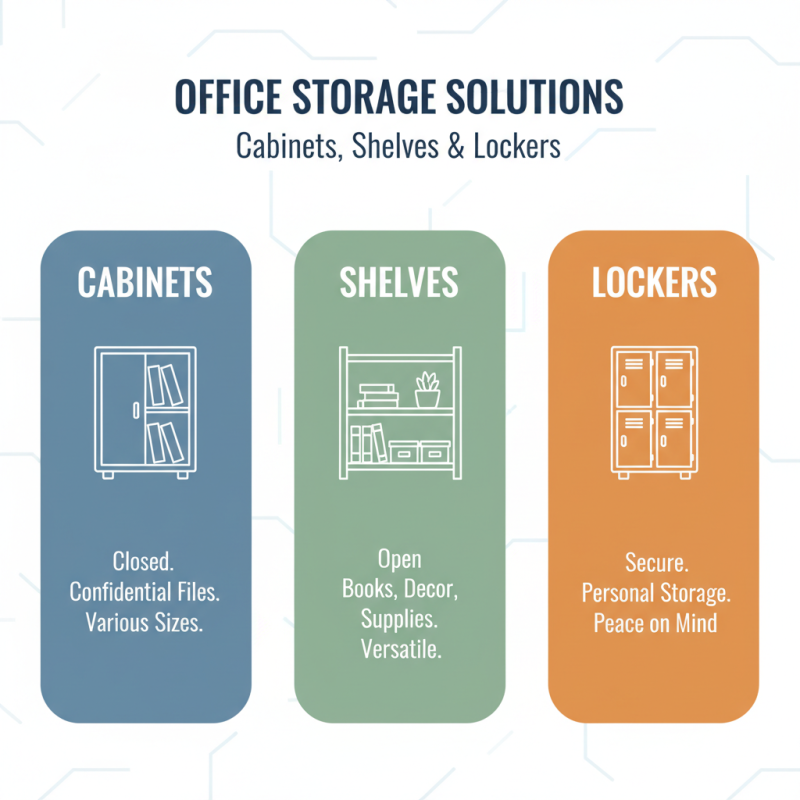
When it comes to office storage solutions, cabinets, shelves, and lockers play crucial roles. Cabinets provide a neat, closed environment for confidential files. They come in various sizes, fitting different office needs. Shelves, on the other hand, are open and versatile. They can hold books, decorative items, or everyday supplies. Lockers are ideal for secure personal storage. They encourage organization and offer peace of mind.
For optimal use of space, think about vertical storage. High shelves can maximize unused wall areas. This creates more floor space for movement. Also, consider using labeled boxes on shelves. This simple tip helps keep items easily accessible.
However, choosing the right storage can be challenging. Overcrowded cabinets or shelves can become chaotic. Regularly review what you store. This helps to clear out unnecessary items. A clutter-free office promotes better focus. It's a small step, but it can lead to big changes in productivity.
Collaboration Spaces: Tables and Seating Arrangements
Collaboration spaces play a vital role in modern office design. They facilitate teamwork and communication among employees. Tables and seating arrangements are crucial to creating an inviting atmosphere. These spaces can be flexible, allowing for different group sizes and activities.
When choosing tables, consider versatility. Adjustable heights can accommodate various work styles. Round tables often foster better conversations. Long tables may serve larger groups but can feel less personal. Pay attention to seating options as well. Comfortable chairs encourage longer meetings. Incorporate bean bags or lounge chairs for a relaxed vibe.
Tips for your collaboration space: Opt for movable furniture to adapt to various activities. Ensure adequate lighting to create a vibrant environment. Use bold colors to energize the space, but avoid overwhelming patterns. Remember, the goal is to promote interaction and creativity. Regularly assess how well the space meets your team's needs. Flexibility is key; make changes as your team evolves.
What is Office Furniture Types and Their Uses? - Collaboration Spaces: Tables and Seating Arrangements
| Furniture Type |
Description |
Common Uses |
Seating Arrangement |
| Conference Table |
A large table designed for meetings, discussions, and collaborative work. |
Meetings, brainstorming sessions, presentations. |
U-shape or boardroom style. |
| Collaborative Desk |
An open workspace that allows multiple coworkers to share ideas and resources. |
Teamwork, project work, casual meetings. |
Cluster or row seating. |
| Breakout Table |
Small tables used for informal meetings and discussions. |
Casual brainstorming, lunch meetings, discussions. |
Round tables with flexible seating. |
| Lounge Seating |
Comfortable seating options that encourage relaxation and informal discussions. |
Informal meetings, relaxation, networking events. |
Casual arrangement with varied seating styles. |
| Training Table |
Tables specfically designed for training sessions and workshops. |
Training sessions, seminars, workshops. |
Classroom or theater style. |