How to Prepare for an Oral Deep Cleaning

Oral Deep Cleaning can sound more intimidating than it is. The procedure, often called scaling and root planing, removes plaque and hardened deposits below the gumline. Your dental team may recommend it when gum pockets, bleeding, or X-rays suggest that routine cleaning is not enough. Each mouth is different, so the plan should match your exam findings—not a generic checklist.

Before your appointment, ask which areas need treatment, how long the visit may take, and what comfort options are available. Share your medications, allergies, health conditions, and any past reactions to dental care. If you feel anxious, say so plainly. That detail matters. A small question about numbing or breaks can make the chair feel less uncertain. Follow the specific instructions from your dentist or periodontist, since preparation may vary with your health and treatment plan.

I can’t verify or responsibly attribute a direct quotation to a named oral-health expert from the material provided, so I won’t invent one. For reliable guidance, ask your treating clinician to explain the findings and recommendations in your own case. You might leave with one detail still unclear. That is worth asking about before treatment begins.
How to Prepare for an Oral Deep Cleaning

Understanding What an Oral Deep Cleaning Involves

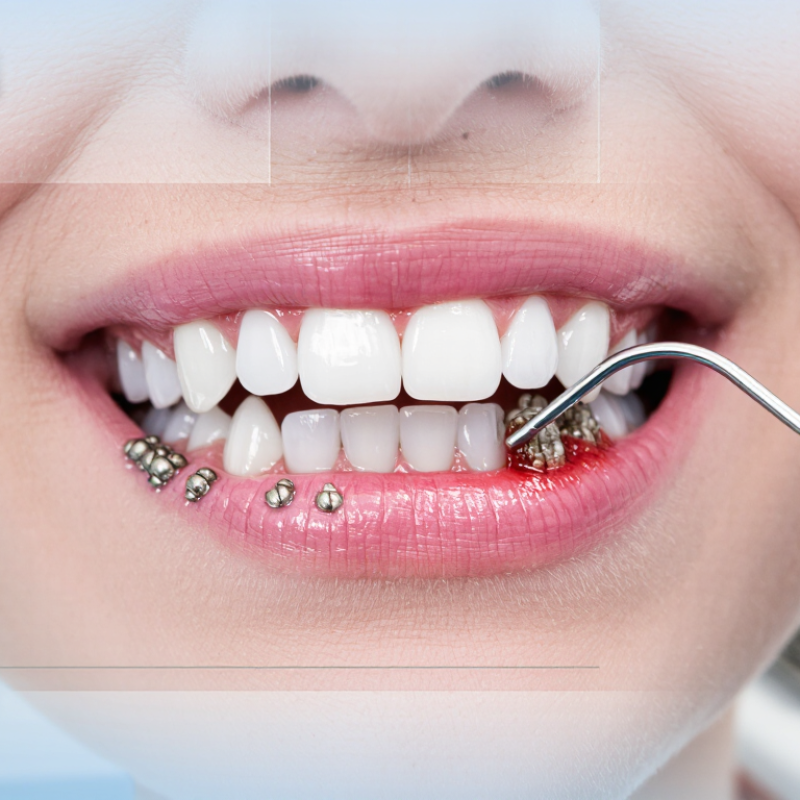
An oral deep cleaning, often called scaling and root planing, treats plaque and hardened tartar below the gumline. It is recommended when gum pockets have deepened or show signs of periodontal disease. This is different from a routine cleaning, which focuses mainly on exposed tooth surfaces. The name can sound intimidating. The procedure is meant to clean areas a toothbrush cannot reach.

A dental professional may numb parts of the mouth to reduce discomfort. They use hand instruments or an ultrasonic scaler to remove deposits around the teeth and beneath the gums. Then they smooth the tooth roots, which can make it harder for bacteria to collect there. Treatment may cover one section of the mouth at a time, so the visit can feel longer than expected. The exact approach depends on the exam, pocket measurements, and sensitivity.

Afterward, gums may feel tender, and teeth can briefly react to cold drinks. Follow the care instructions you receive, and ask before changing your usual brushing or flossing routine. Healing varies. Some people notice less bleeding; others need follow-up visits to check gum pockets. It is fair to ask what the measurements mean and which areas need treatment. The terminology is not always intuitive, even when the explanation is clear.

Reviewing Your Dental and Medical History

How to Prepare for an Oral Deep Cleaning
Reviewing Your Dental and Medical History

Before an oral deep cleaning, your dental team needs a current picture of your health. Bring a written list of prescription medicines, over-the-counter drugs, vitamins, and supplements, including doses. A phone photo of the labels can help. Details matter. Mention medication allergies and what happened when you reacted, not just the name of the drug.

Tell the dentist about conditions such as diabetes, a bleeding disorder, heart problems, or a weakened immune system. Share any recent diagnosis, surgery, pregnancy, or past trouble with local anesthetic. Even a supplement you take only sometimes may be relevant. It is easy to forget one. A brief note in your phone can prevent that oversight.

This information helps the dental team assess bleeding and healing concerns and plan numbing or follow-up care. Some patients may need coordination with a physician, but recommendations depend on individual circumstances. Do not stop or change a medicine on your own before the appointment. If you are unsure whether a condition or medication matters, ask the dental office before treatment and update them if anything changes. A small detail can change the plan.

How to Prepare for an Oral Deep Cleaning - Reviewing Your Dental and Medical History
Review Area Information to Gather What to Tell the Dental Team Why It Matters
Current medicines and supplements Make an up-to-date list of prescription medicines, over-the-counter medicines, vitamins, and supplements. Include doses if known. Mention blood thinners, medicines that affect bleeding, immune-suppressing medicines, and medicines used for bone conditions. Do not stop or change a medicine unless the prescribing clinician advises you to. Some medicines may affect bleeding, healing, infection risk, or the dental care plan.
Allergies and reactions Review allergies or past reactions to medicines, local anesthetics, latex, or other materials used in health care. Describe what happened and when, including whether the reaction required medical treatment. Clear details help the dental team choose appropriate materials and medicines.
Medical conditions Note significant conditions and recent changes, such as diabetes, heart or lung disease, kidney or liver disease, bleeding disorders, or immune-system conditions. Share relevant treatment details, recent complications, and any instructions from your physician that may affect dental care. Medical conditions can influence treatment timing, comfort measures, and follow-up planning.
Heart history and antibiotic guidance Review any history of heart conditions, heart procedures, or prior instructions about antibiotics before dental treatment. Tell the dental team about your diagnosis and any current instructions from your cardiologist or physician. Do not take antibiotics before treatment unless your clinicians direct you to. Only certain medical histories call for antibiotic premedication; the dental team can confirm whether it applies.
Bleeding history Consider past unusual bleeding, easy bruising, bleeding disorders, or prolonged bleeding after dental work or surgery. If you take warfarin, share recent INR information if available or requested. Follow your prescriber's instructions about testing and medication. This helps the team assess bleeding risk and plan care safely.
Pregnancy or possible pregnancy Consider whether you are pregnant, may be pregnant, or are breastfeeding. Let the dental team know before treatment and discuss any questions about medicines or comfort options. This information helps the team tailor care and medication choices.
Previous dental care and comfort Recall prior cleanings, periodontal treatment, reactions to local anesthetic, dental anxiety, or difficulty tolerating longer appointments. Explain what worked well or caused discomfort, and ask about available comfort measures or appointment scheduling. A history of prior care can help the team plan a more comfortable visit.
Current mouth symptoms Note gum bleeding, swelling, soreness, loose teeth, sensitivity, bad taste, or changes since your last dental visit. Describe when symptoms began, how often they occur, and whether they are getting worse. Current symptoms help the dental team assess your periodontal health and plan treatment.
Records and questions Bring or confirm access to your medicine list, relevant medical instructions, and any recent test information requested by the dental office. Ask which areas will be treated, whether local anesthetic is expected, how to manage medicines, and what aftercare instructions to follow. A clear plan helps you understand the visit and follow the dental team's individualized instructions.

Preparation note: Follow the dental team's specific instructions. Do not change prescribed medicines or take preventive antibiotics without guidance from your dental or medical clinician.

Planning for the Appointment and Asking Questions

Before an oral deep cleaning, ask what your exam showed and which teeth or areas need treatment. “Deep cleaning” usually means scaling and root planing, which removes deposits below the gumline. A national analysis of U.S. adults aged 30 and older found periodontitis in 42.2% of participants; 7.8% had severe disease (Eke et al., Journal of Periodontology, 2018). These figures describe a population, not your personal diagnosis. Ask your dental professional to explain your measurements and why treatment is recommended.

Plan the appointment around practical details. Ask whether treatment will be split across visits, what numbing options are available, and what soreness or sensitivity to expect afterward. Share your medicines, allergies, and relevant health conditions. Check whether you should eat beforehand, and ask for written aftercare instructions. If cost or time is a concern, say so; I might forget to ask unless I write it down. Bring a list. No guessing.

Tips: Write down three questions before you arrive: Which areas need treatment? What symptoms should prompt a call? When is my follow-up? Bring your medication list and note any recent changes. If an answer feels unclear, ask for simpler wording or a diagram. Your care plan should fit your findings and circumstances.

Following Your Dentist’s Pre-Procedure Instructions

How to Prepare for an Oral Deep Cleaning

Following Your Dentist’s Pre-Procedure Instructions

A deep cleaning, or scaling and root planing, is tailored to your gum health and medical history. The CDC’s report on U.S. adults aged 30 and older, based on 2009–2014 examination data, estimated that 42.2% had periodontitis and 7.8% had severe periodontitis.

These figures explain why gum treatment is common, but they do not determine what your appointment requires. Your dentist’s instructions should guide your preparation.

Check whether your visit involves local anesthetic or sedation.

If sedation is planned, follow the clinic’s fasting and transportation instructions exactly; requirements vary. Ask before changing anything.

Do not stop prescribed medicines unless your dentist or prescribing clinician tells you to. Share your medication list, allergies, health conditions, and any recent changes before treatment. Brush and floss as usual unless your dental team advises otherwise.

Small details matter. It is tempting to treat this like a routine cleaning, but preparation can differ—and guessing about food, medication, or a ride home is not worth it.

The American Academy of Periodontology and European Federation of Periodontology clinical practice guideline emphasizes individualized periodontal care, supporting the need to follow your own care team’s plan.

If an instruction is unclear, call the office before the procedure and ask for it to be repeated.

Preparing for Recovery and Follow-Up Care

After scaling and root planing, keep the rest of the day flexible. Your gums may feel tender, and teeth can react to cold for several days. Choose soft foods, such as eggs or oatmeal, and avoid very hot, crunchy meals while your mouth is sore. Brush gently with a soft toothbrush; don’t skip cleaning unless your dental professional tells you otherwise. That can feel odd.

Mild bleeding may occur, but worsening pain, swelling, fever, or bleeding that will not stop warrants a call to your dental office.

Before leaving, confirm when your clinician wants to check healing and measure gum pockets again. The timing depends on your condition and treatment response. A CDC and American Academy of Periodontology surveillance report estimated that 42.2% of U.S. adults aged 30 or older had periodontitis, including 7.8% with severe disease (Eke et al., Journal of the American Dental Association, 2018). Those figures describe disease prevalence, not an ideal follow-up schedule. Ask whether you need periodontal maintenance and how often; bring a list of medicines and any new symptoms to the visit. If sensitivity lingers, mention it, even if it seems minor.

Your browser is out of date!

Update your browser to view this website correctly. Update my browser now

×