What Are the Top Ice Bath Pods for Global Buyers?

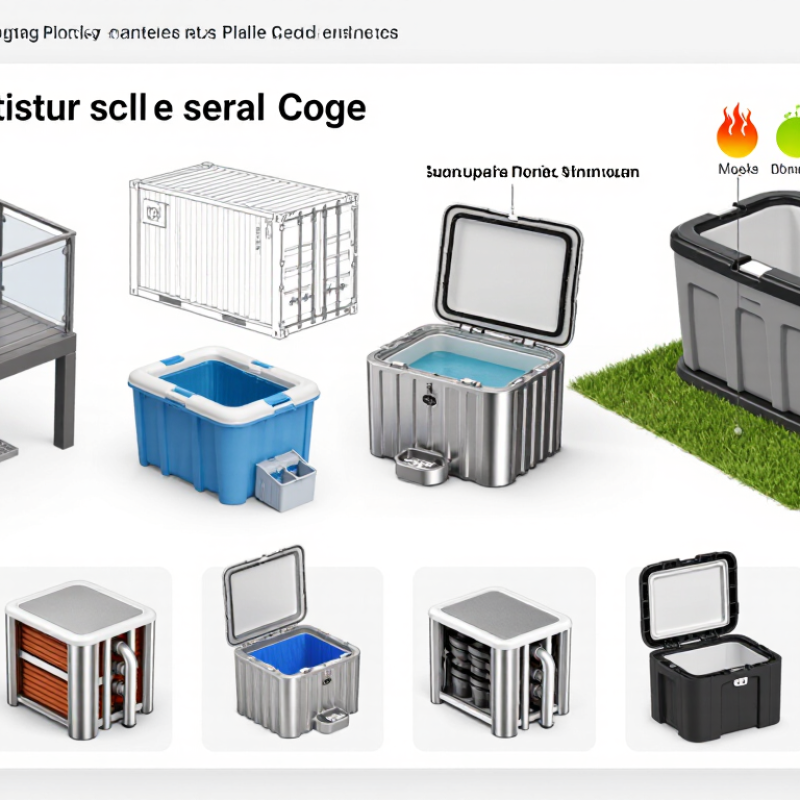
Choosing the right Ice Bath Pods can feel surprisingly difficult for global buyers. Product photos often look similar, while insulation, drainage, materials, and support vary widely. A reliable comparison must examine more than advertised water temperatures. It should consider construction quality, setup time, cleaning access, warranty terms, and replacement-part availability.

Practical details matter. A pod placed on a small balcony needs stable support and controlled drainage. Buyers in warmer climates may need stronger insulation or more frequent water changes. Those in colder regions should check whether the tub, liner, and fittings tolerate low temperatures. Clear manufacturer specifications are essential. Independent reviews, safety guidance, and documented testing can also reveal weaknesses that marketing pages overlook. Not every claim is equally trustworthy.

No pod is perfect.

This guide compares leading Ice Bath Pods for different budgets, spaces, climates, and recovery routines. It considers portable models, insulated designs, filtration options, and premium systems with cooling technology. The discussion also highlights shipping dimensions, import considerations, electrical requirements, and after-sales service. These details can affect the real cost more than the initial price. Buyers should confirm local installation and electrical requirements before ordering. A lower-priced model may become expensive after delivery, accessories, and maintenance. Conversely, a premium pod may offer features some users never need. The best choice depends on honest priorities, realistic usage, and careful verification of supplier claims.
What Are the Top Ice Bath Pods for Global Buyers?

What Are Ice Bath Pods and How Do They Work?

An ice bath pod is an insulated container designed for cold-water immersion. It usually has a soft or rigid outer wall, a drain, and a cover. Some models use added ice, while others connect to a cooling unit. The water cools your skin quickly, creating a strong cold sensation across the body. In practical use, the pod should sit on a stable, level surface. A small tilt can strain the walls and make draining awkward.

The working process is straightforward. Fill the pod, check the water temperature, and enter slowly. Cold water draws heat away from the body through direct contact. A circulation system may keep temperatures more even, while insulation slows warming from sunlight or warm air. Without a chiller, ice melts and the temperature rises. That detail is easy to overlook. Buyers should also check drainage, replacement parts, electrical compatibility, and local water conditions.

Tips: Start with a short session and avoid chasing extreme temperatures. Keep your head and neck above the water. Stop if you feel chest pain, dizziness, numbness, or unusual breathing difficulty. People with heart, circulation, or other medical conditions should seek professional advice first. A thermometer is more reliable than touch. Clean and dry the pod regularly, because warm standing water can develop unpleasant odors and microbes.

Which Features Define a High-Quality Ice Bath Pod?

A high-quality ice bath pod should make cold exposure controlled, clean, and repeatable. The shell needs strong insulation to slow temperature rise, especially in warm climates. A thick, stable wall also prevents awkward movement during entry. Small details matter. Look for a wide opening, secure steps, and rounded edges that reduce slipping risks.

Temperature control is more important than impressive cooling speed. A reliable unit should display water temperature clearly and maintain it within a narrow range. Independent thermometers are useful because built-in readings can drift. I once underestimated this difference, and the water felt noticeably warmer than the display suggested. That experience changed how I assess equipment.

Water hygiene defines long-term quality. A practical pod should support filtration, simple draining, and easy surface cleaning. Hidden corners can collect residue, so inspect the interior carefully. The liner should resist cracking, odors, and repeated temperature changes. Electrical parts need protected placement, clear operating instructions, and compatibility with local safety requirements. It should feel controlled.

Global buyers should also examine maintenance demands. Replacement filters, seals, and covers should be obtainable without complicated shipping. A well-designed pod saves time between sessions. Still, no pod is completely maintenance-free. Regular water checks remain necessary, even when the system includes treatment features. Warranty clarity, testing records, and responsive technical support add credibility. Some product claims sound convincing, but measurable performance matters more than polished advertising.

How Do Leading Ice Bath Pods Compare for Global Buyers?

For global buyers, comparing ice bath pods means looking beyond water temperature. Leading designs differ in insulation, cooling speed, drainage, and daily maintenance. A well-insulated pod holds cold longer in warm climates and reduces energy use. Compact inflatable models travel easily, but their walls may flex under frequent use. Rigid pods feel steadier. They usually need more space and careful delivery planning. Small details matter.

Cooling systems should be judged by stable performance, not the lowest advertised temperature. Check whether the unit includes filtration, sanitation guidance, and replaceable filters available in your country. Electrical compatibility is essential. Voltage, plug type, and local service support can vary across markets. An insulated tub with external ice loading may suit occasional users, while an integrated chiller can offer repeatable sessions. It can also increase noise, weight, and repair complexity. Ask for operating noise and recovery times.

I would also compare entry height, cover quality, water capacity, and warranty terms. A secure cover keeps leaves and heat out, while weak stitching can undermine an otherwise capable pod. Digital controls look convenient, yet simple manual checks remain useful when sensors drift. I have found that setup instructions are often less clear than expected. That is a real buying risk, not a minor inconvenience. Confirm return procedures, replacement parts, and delivery damage policies before payment. No single pod suits every climate, room, or recovery routine.

What Are the Top Ice Bath Pods for Global Buyers?

Comparison of representative ice bath pod configurations by water capacity, insulation thickness, and estimated equipment price. Prices are indicative USD ranges converted to midpoint values and exclude taxes, shipping, and installation.

Larger capacity improves comfort for taller users, while thicker insulation can reduce heat gain in warm climates. Buyers should also check local voltage compatibility, drainage requirements, replacement-part availability, and after-sales support.

What Materials and Designs Suit Different Climates and Spaces?

For global buyers, climate should guide the pod’s material and structure. ASHRAE Handbook—Fundamentals uses 99% heating and 1% cooling design temperatures for local weather planning. That matters more than attractive product photography. In cold regions, choose closed-cell insulation, a tight lid, and freeze protection. Water expands by roughly 9% when frozen. A forgotten drain can crack fittings overnight. It happens.

Rotomolded polyethylene suits humid gardens and uneven outdoor spaces. It resists impact, tolerates temperature changes, and needs limited maintenance. Coastal users should consider corrosion-resistant stainless-steel hardware, especially around salt spray.

A timber exterior can look warmer, but it needs a ventilated cavity and a raised base. Otherwise, trapped moisture may damage the frame. The U.S. Department of Energy’s Building America guidance also emphasizes continuous insulation, drainage, and air-sealing for moisture control.

Small apartments need different decisions. Select a narrow pod with vertical access, locking casters, and a sealed floor tray. Measure elevator doors first. Indoor spaces also require condensation planning, because cold surfaces can wet nearby flooring and walls. ASHRAE’s HVAC guidance supports controlling indoor humidity for comfort and building protection, but many buyers underestimate this detail. I would not treat every “all-climate” claim as reliable. Test the drain path, cover fit, and insulation performance in your actual weather. A design that works in a dry winter may struggle during a humid summer.

How Should Buyers Evaluate Safety, Maintenance, and Total Cost?

When comparing ice bath pods for global buyers, safety should outweigh appearance and extreme cooling claims. Check the pod’s electrical design, insulation, drainage, and structural stability. Any powered chiller should include clear voltage information, grounding guidance, and protection against water exposure. Local compliance documents are useful, but buyers should verify them independently. A certificate alone does not prove safe installation.

Maintenance affects both hygiene and ownership time. Look for accessible filters, washable surfaces, replaceable seals, and a drain that empties completely. Hidden water can create unpleasant odors and encourage microbial growth. Ask how often filters, disinfecting agents, and pump components require replacement. The instructions should be specific, not vague. Small details count.

Total cost includes shipping, import charges, installation, electricity, water treatment, repairs, and seasonal storage. A cheaper pod may become expensive when parts arrive slowly or require specialist labor. Confirm warranty coverage across borders and identify who handles technical support. Buyers should also measure the available space before ordering. That mistake is surprisingly common. No checklist is perfect, and published energy figures may not match household conditions. Compare several usage scenarios, including hot weather and frequent draining. A reliable seller should answer difficult questions clearly, provide realistic maintenance schedules, and admit limitations rather than promise effortless recovery.

What Are the Top Ice Bath Pods for Global Buyers? - How Should Buyers Evaluate Safety, Maintenance, and Total Cost?

Pod Type Typical Capacity Temperature Capability Primary Safety Considerations Routine Maintenance Typical Purchase Cost* Best Fit
Insulated Inflatable Pod 250–450 L Usually depends on ice; approximately 4–15°C with suitable cooling equipment Check for punctures, stable placement, secure drainage, and a safe step-in height. Do not use on sharp or uneven surfaces. Drain and clean regularly; inspect seams and valves; replace or treat water frequently because filtration is often limited. US$100–US$500 before shipping and accessories First-time users, renters, and buyers seeking portability
Rigid Insulated Tub 300–600 L Approximately 4–15°C with ice; lower temperatures may require an external chiller Use a level load-bearing surface; verify drainage, edge strength, cover stability, and electrical protection for powered accessories. Wipe the interior after use, clean the drain and filter, and inspect insulation, fittings, and cover condition. US$300–US$1,200 before shipping and accessories Home users wanting greater durability and thermal efficiency
Pod with Integrated Filtration 400–700 L Approximately 4–15°C, depending on insulation, ambient conditions, and cooling method Confirm that pumps and electrical components have appropriate water protection. Follow the supplied water-treatment limits and never operate damaged equipment. Rinse or replace the filter as specified; monitor water clarity and sanitizer levels; disinfect the tub and clean circulation lines. US$700–US$2,000 before shipping and accessories Frequent users who want fewer complete water changes
Pod with External Chiller 400–800 L Commonly adjustable from approximately 3–15°C, subject to model and ambient conditions Use a grounded outlet with suitable residual-current protection; keep cables and connections dry; provide adequate airflow around the chiller. Clean the filter, sanitize the water, inspect hoses and connections, clear ventilation openings, and follow the chiller service schedule. US$1,500–US$4,000 before shipping, taxes, and installation Regular users seeking consistent temperature control
Commercial-Grade Fixed Pod 500–1,000+ L Approximately 3–15°C with a properly sized refrigeration system Requires professional assessment of floor loading, drainage, ventilation, electrical supply, anti-slip access, and water hygiene procedures. Scheduled filter replacement, water testing, sanitation, pump inspection, refrigeration maintenance, and documented cleaning procedures. US$4,000–US$12,000+ before freight, installation, and local compliance costs Gyms, clinics, hotels, and high-volume wellness facilities
Evaluation note: Purchase prices are indicative international market ranges for generic pod categories and exclude freight, customs duties, taxes, installation, water-treatment supplies, replacement filters, electricity, and possible plumbing work. Actual operating cost depends on water volume, local electricity rates, ambient temperature, insulation quality, usage frequency, and cleaning requirements.
Buyer safety checklist: Select a pod with clear user instructions, stable construction, reliable drainage, accessible filtration, suitable electrical protection, and a documented cleaning procedure. Cold-water immersion can cause gasping, rapid breathing, cardiovascular stress, and hypothermia; users should avoid unsupervised sessions and seek medical advice if they have cardiovascular, circulatory, respiratory, or other relevant health conditions.
Your browser is out of date!

Update your browser to view this website correctly. Update my browser now

×