Top Quality Office Chairs: Ultimate Guide to Comfort and Productivity
In today's fast-paced work environment, the importance of selecting quality office chairs cannot be overstated. An ergonomic chair is not merely a piece of furniture; it serves as a vital component in promoting health, comfort, and productivity. As employees spend long hours at their desks, the right chair can play a significant role in enhancing focus and efficiency while reducing the risk of strain or injury. This comprehensive guide will delve into the various aspects of quality office chairs, exploring key features that contribute to optimal comfort and support.
From materials and design to adjustability and style, understanding how each element contributes to an overall better seating experience is crucial. Whether working from a traditional office, a home setup, or even a co-working space, the right quality office chairs can dramatically elevate work performance. The following sections will offer insights on identifying the ideal chair that aligns with individual needs and preferences, ensuring that every workplace can prioritize well-being and productivity.

Understanding the Importance of Ergonomics in Office Chairs
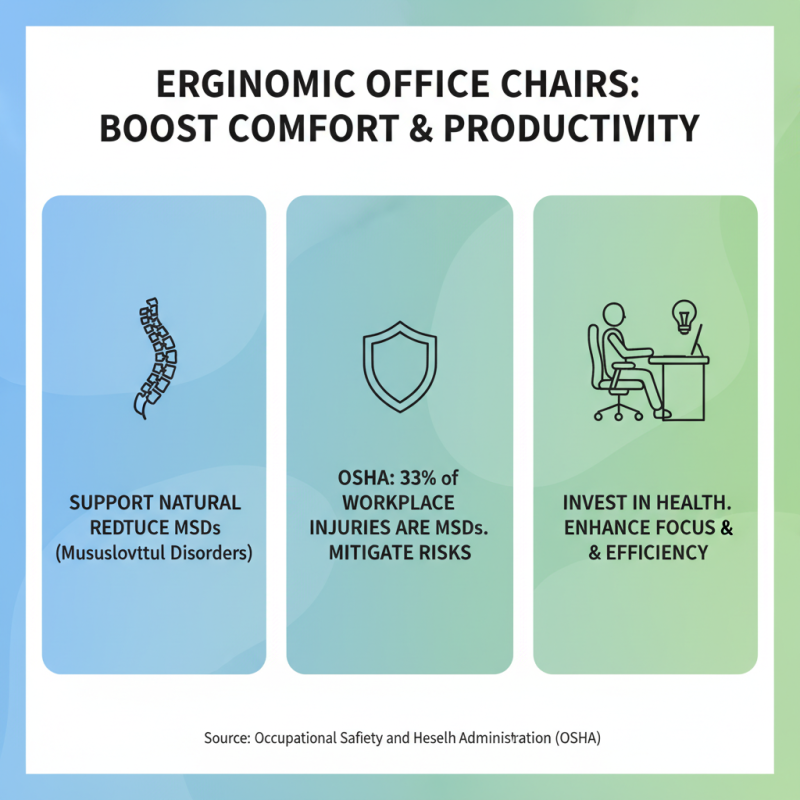
When choosing an office chair, understanding the importance of ergonomics is crucial for both comfort and productivity. Ergonomic office chairs are designed to support the body’s natural posture, significantly reducing the risk of musculoskeletal disorders. According to the Occupational Safety and Health Administration (OSHA), approximately musculoskeletal injuries account for about 33% of all workplace injuries. Investing in a high-quality ergonomic chair can help mitigate these risks, enabling workers to maintain focus and efficiency throughout the day.
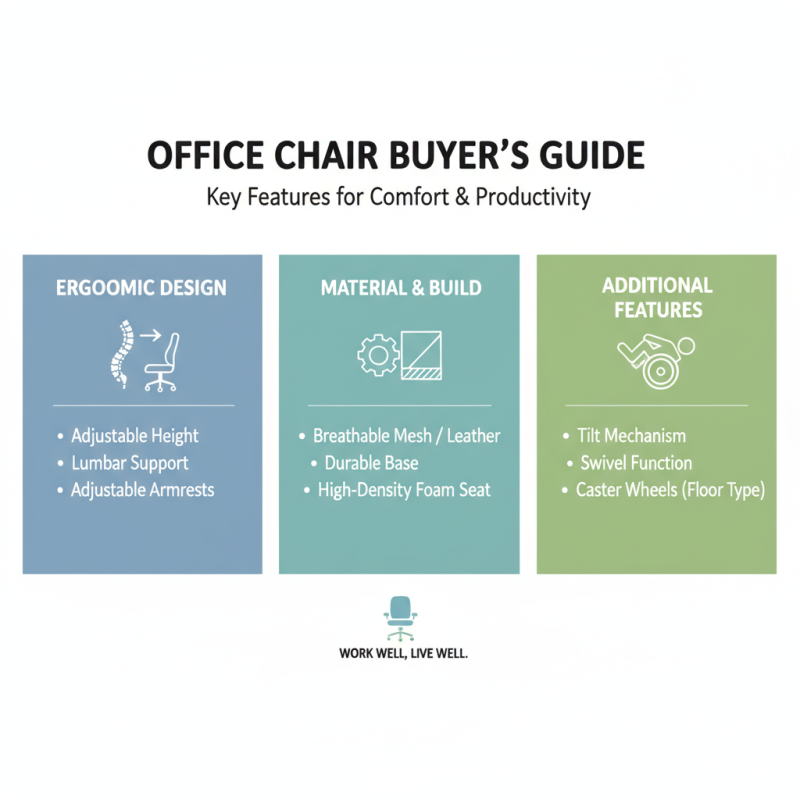
Tips for selecting the right ergonomic chair include ensuring that it provides proper lumbar support, adjustable seat height, and armrests that accommodate your sitting style. Research from the Center for Disease Control and Prevention (CDC) indicates that employees who have access to ergonomically designed workspaces report a 25% decrease in discomfort and fatigue. It’s also recommended to choose a chair that promotes movement; features like a swivel base and wheels allow for improved mobility, which can contribute to overall productivity.
Additionally, consider the material and design of the chair. A chair with breathable fabric will help keep you cool during long hours, enhancing comfort. The International Journal of Industrial Ergonomics highlights that companies that prioritize ergonomic furniture see a decrease in employee absenteeism by up to 20%. Therefore, investing in a quality ergonomic chair is not only beneficial for your health but can also yield significant returns in productivity and morale in the workplace.
Key Features to Look for in High-Quality Office Chairs
When searching for high-quality office chairs, several critical features should be taken into account to ensure optimal comfort and productivity. Firstly, ergonomic design is paramount. According to a report from the Occupational Safety and Health Administration (OSHA), proper posture and chair support can significantly reduce the risk of musculoskeletal disorders, which affects approximately 30% of office workers. Look for chairs that offer adjustable seat height, lumbar support, and armrests to accommodate individual preferences.
Additionally, the materials used in chair construction contribute greatly to user experience. High-quality chairs often utilize breathable fabrics and memory foam cushioning to promote airflow and reduce discomfort during long hours of sitting. The American Institute of Stress suggests that comfort can enhance focus and productivity by up to 25%, making investment in good materials a wise choice.
Tips: When trying out a chair, ensure you can maintain a 90-degree angle in your knees and elbows while seated. It’s also beneficial to take regular breaks to stretch and change positions—this can enhance circulation and reduce fatigue. Consider testing chairs at different heights and adjustments to find the perfect fit for your workspace.
Comparing Different Materials Used in Office Chair Construction
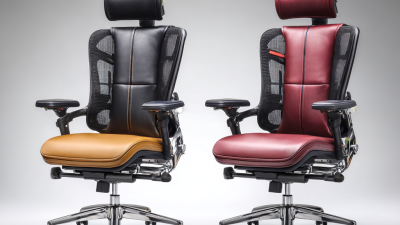
When it comes to office chairs, the materials used in their construction are crucial for ensuring both comfort and productivity. According to a report by the International Ergonomics Association, the right materials can significantly affect a user’s posture, which is essential for reducing fatigue and enhancing focus during long working hours. Common materials such as mesh, leather, and foam each have unique advantages that cater to different needs.
Mesh chairs are renowned for their breathability, allowing for better air circulation which helps to keep the user cool and comfortable. This is particularly beneficial in environments where individuals tend to sit for prolonged periods. A study published in the Journal of Occupational Health found that workers using mesh-backed chairs reported a 15% decrease in discomfort compared to those in traditional upholstered chairs. On the other hand, leather, while offering a more luxurious appearance and durability, can be less breathable but provides excellent support and is easy to clean, making it a favored choice in more formal settings.
The choice of foam also plays a significant role in comfort levels. High-density foam adapts to body contours while providing necessary support, helping to prevent back pain and discomfort. This is an essential factor as reported by the American Chiropractic Association, which indicates that around 80% of Americans experience back pain at some point in their lives. Choosing an office chair made from quality foam can thus contribute positively to overall health and productivity in the workplace.
Adjustability: How to Customize Your Office Chair for Optimal Comfort
When it comes to ensuring comfort and productivity in the workplace, adjustability is a key feature to consider in your office chair. The ability to customize various aspects of your chair can lead to significant improvements in your posture and overall well-being during long hours of work. One of the primary elements of adjustability is seat height; being able to position your chair so that your feet are flat on the ground while your knees are at a 90-degree angle helps promote proper spinal alignment.
In addition to height, many ergonomic chairs offer adjustable armrests and backrests, which allow for a more tailored seating experience. Armrests can be raised or lowered to alleviate strain on the shoulders and neck, while a flexible backrest that supports the natural curve of your spine can help prevent discomfort. Furthermore, incorporating lumbar support that can be adjusted to fit your body's unique shape can mitigate lower back pain and keep you focused on your tasks. By understanding these adjustable features and how they contribute to your comfort, you can create a personalized workspace that enhances your productivity.
Top Quality Office Chairs: Adjustability Impact on Comfort and Productivity
Tips for Maintaining and Caring for Your Office Chairs
When it comes to enhancing productivity in the workplace, the role of a high-quality office chair cannot be overstated. According to a report from the Occupational Safety and Health Administration (OSHA), ergonomic seating can reduce the incidence of musculoskeletal disorders by as much as 40%. To ensure your office chairs maintain their comfort and functionality, regular maintenance and care are essential.
Tips: Start by adjusting your chair’s settings to fit your body correctly, which includes the seat height, armrest position, and lumbar support. Moreover, cleaning your chair regularly can extend its lifespan; use a gentle soap solution for fabric chairs and a suitable cleaner for leather. Annual inspections of moving parts and mechanisms can prevent wear and tear, ensuring the chair remains supportive and comfortable.
Additionally, the report by the American Society of Interior Designers emphasizes the importance of replacing office chairs every 5 to 7 years to avoid deterioration that could lead to discomfort. When investing in office seating, protect that investment with regular upkeep, including checking for loose screws and ensuring all adjustments work smoothly. These efforts not only boost the chair’s longevity but also enhance workplace efficiency and employee satisfaction.