What Are Exterior Decorative Wall Panels Used For?

Exterior Decorative Wall Panels do more than give a building a finished face. They can add texture, color, and visual rhythm, while helping define entrances, balconies, or ground-floor zones. On a plain façade, a ribbed panel can catch afternoon light; a stone-look surface can create a warmer street-level impression. Looks matter.

Building-science expert Joseph Lstiburek offers a useful reminder: “All buildings leak.” His point is not about decorative panels alone, but it highlights why appearance must be considered alongside drainage, flashing, ventilation, and installation. A panel is not automatically a weather barrier. The wall assembly behind it still needs careful design, compatible materials, and workmanship suited to local exposure.

These panels are used on homes, offices, shops, and public buildings to refresh façades, emphasize architectural features, or coordinate new additions with existing finishes. Some systems are lightweight and quick to install; others need stronger supports, precise joints, and more maintenance. The right choice depends on substrate, climate, fire performance, budget, and the manufacturer’s tested details. Details matter.

There is a less glamorous truth: a beautiful sample may look different across a large wall, especially under changing daylight. Owners and designers should inspect full-size samples and ask how corners, openings, water, and repairs will be handled. Exterior Decorative Wall Panels can make a building more distinctive, but they cannot fix a weak wall design. Their best use is both visual and practical, with expectations kept realistic.
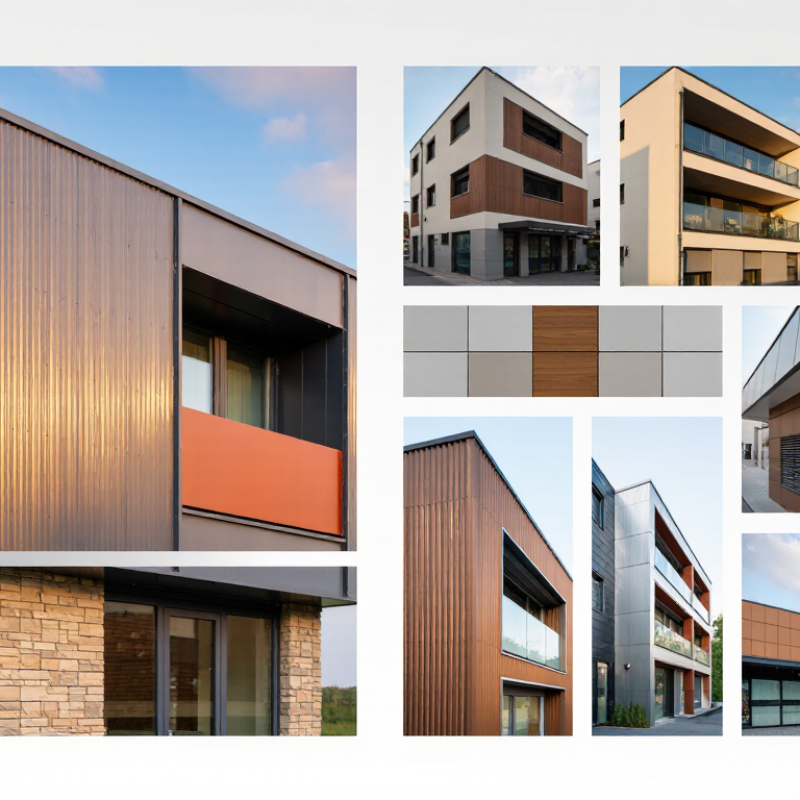
What Are Exterior Decorative Wall Panels Used For?

What Exterior Decorative Wall Panels Are

What Exterior Decorative Wall Panels Are: Exterior decorative wall panels are manufactured facing pieces attached to an outside wall’s supporting structure. Common options include fiber cement, metal, engineered wood, and polymer composites. Their finishes can resemble timber, stone, or smooth concrete. Narrow joints may create crisp shadow lines across a façade. Panels usually form the visible cladding layer; they are not automatically the wall’s waterproofing system. That distinction is easy to overlook.

These panels are used to refresh façades, add texture, and shield underlying surfaces from direct weather exposure. In some assemblies, they sit over a ventilated cavity, with flashing and a water-resistive barrier behind them. Details matter. The 2024 Global Status Report for Buildings and Construction, published by UNEP and GlobalABC, reports that buildings and construction accounted for 34% of global energy demand and 37% of energy- and process-related carbon dioxide emissions in 2022. This is context, not proof that decorative panels save energy. Their thermal effect depends on the complete wall assembly and installation.

Tips: Check panel weight, fire classification, fixing method, and maintenance needs before specifying a system. Ask how corners, window openings, and panel joints shed water. A sample can look different in full daylight. Inspect it outdoors.

How They Protect and Cover Exterior Walls

Exterior decorative wall panels do more than change a building’s appearance. They form an outer layer that shields the wall beneath from rain, wind, sun, and everyday impact. Think of a wall facing a wet, gusty street: properly detailed panels help direct water away instead of letting it soak into the sheathing. Joints, corners, and window edges need careful flashing. A panel alone is not a waterproofing system.

The U.S. Department of Energy’s Energy Saver guidance estimates that air leaks can account for 25–40% of the energy used for heating and cooling in a typical home. Panels can support better performance when installed with a continuous air barrier and suitable insulation, but they do not fix gaps by themselves. That distinction matters. Behind the panels, a drainage space can help water escape and allow the wall to dry. Installers should also account for movement, since sun-warmed panels expand and contract. It is easy to focus on the visible finish; the hidden details often decide whether the wall stays dry. Even a neat-looking façade can conceal poor drainage.

What Are Exterior Decorative Wall Panels Used For?

How they protect and cover exterior walls

Exterior panels provide a finished outer surface that helps shield the wall from rain splash, sunlight, and everyday surface wear while concealing the underlying construction. Insulation and air or water control depend on the panel type, joints, and complete wall assembly. Scale: 2 = common cladding function; 1 = depends on the product or assembly. These are functional categories, not measured performance ratings.

How They Shape a Building’s Appearance

Exterior decorative wall panels shape a building’s appearance through color, texture, proportion, and shadow. They can make a plain facade feel layered, or give a large wall a clearer visual rhythm. Narrow vertical panels may make a low building seem taller. Broad horizontal sections can emphasize its width.

Texture matters. Smooth panels create a quiet, crisp surface. Ribbed or patterned panels catch changing light and cast fine shadows. At noon, those details may look subtle; near sunset, they can become much more pronounced. The effect depends on panel depth, spacing, and the direction of the light. Small details, such as visible joints, also influence whether a facade feels orderly or busy.

Color helps connect the wall to nearby materials, such as brick, glass, or stone. Dark tones can make a building feel grounded, while pale tones often reflect more light. But a sample viewed indoors may look different across a full exterior wall. That judgment is not always easy. A full-scale mockup, viewed at different times of day, can reveal awkward contrasts or patterns that feel too repetitive. Panels can bring character to a facade, though they cannot compensate for proportions that feel out of balance.

How They Can Improve Insulation and Noise Control

What Are Exterior Decorative Wall Panels Used For?

Exterior decorative wall panels can add texture, protect the underlying wall, and support better insulation and noise control. Their thermal value depends on the full wall assembly, not appearance alone. Panels paired with continuous insulation and carefully sealed joints can limit heat transfer and drafts. A ventilated cavity may also help manage moisture, but poor detailing can undermine the benefit. Insulation matters.

ENERGY STAR estimates that proper air sealing and insulation can reduce heating and cooling costs by an average of 15 percent in typical homes. This is a whole-home estimate, not a guaranteed saving from decorative panels. For sound, added layers and airtight construction can reduce some outdoor noise, especially traffic and wind. Yet a thin panel by itself may change little. The World Health Organization’s 2018 Environmental Noise Guidelines recommend road traffic exposure below 53 dB Lden; this is a health guideline, not a panel performance rating. Ask for tested wall-assembly results, such as sound transmission class data, rather than relying on a panel’s appearance. One weak point is often overlooked: gaps around windows and panel joints can let noise and cold air through. The details matter.

What Are Exterior Decorative Wall Panels Used For? - How They Can Improve Insulation and Noise Control

Application How the Panels Are Used Potential Insulation Benefit Potential Noise-Control Benefit Important Considerations
Facade refresh Cover or update exterior wall surfaces with a new decorative finish, such as textured, patterned, or smooth panels. Panels can help shield the wall from direct weather exposure. The panel itself may add little insulation unless it is part of an insulated wall system. A panel layer may slightly reduce sound transmission, but decorative cladding alone is not a substitute for a tested acoustic assembly. Choose a system compatible with the existing wall, local climate, and required fire and moisture performance.
Exterior wall insulation upgrade Install panels over a properly designed exterior insulation layer and supporting wall system. Continuous insulation can reduce heat flow through the wall and help limit thermal bridging when detailed correctly. Insulation and additional wall layers may improve sound reduction, depending on material, thickness, connections, and gaps. Performance depends on the complete assembly, including air sealing, insulation continuity, fasteners, and junction details.
Rain-screen facade Mount panels outside a drained and ventilated cavity, with a suitable water-resistive layer behind the cladding. The cavity is primarily for drainage and drying; insulation behind it can improve thermal performance when designed as part of the wall. The extra layers may contribute to sound control, although an open or poorly detailed cavity does not guarantee noise reduction. Provide appropriate drainage, ventilation, fire stopping, and secure panel attachment.
Roadside or urban noise exposure Use exterior panels as the outer finish of a wall designed to reduce sound entering the building. Thermal insulation may be included behind the panels, but its main purpose is heat control rather than sound absorption. Noise reduction generally depends on wall mass, airtightness, insulation, glazing, and carefully sealed openings—not the decorative surface alone. For a meaningful result, assess the whole facade, including windows, doors, vents, and joints.
Accent walls and architectural features Highlight entrances, upper stories, columns, or selected facade areas with contrasting colors, shapes, or textures. Aesthetic panels alone usually provide limited thermal improvement; insulation must be specified separately if needed. Decorative patterns or surface texture do not necessarily improve sound isolation. Acoustic performance is determined by the wall construction. Check that different panel types and transitions accommodate movement and shed water appropriately.
Renovation of weathered cladding Replace or overlay worn exterior finishes after checking the condition of the underlying wall. An upgrade can be an opportunity to add insulation, repair air leaks, and improve thermal continuity. Additional wall layers may help, but improvement should be verified for the proposed construction rather than assumed from the panel finish. Investigate existing moisture, structural damage, and code requirements before covering the original wall.

Note: Insulation and noise-control results depend on the complete wall assembly, workmanship, and site conditions. Decorative exterior panels by themselves do not guarantee a specific thermal or acoustic rating.

Where Exterior Decorative Wall Panels Are Commonly Used

Exterior decorative wall panels are commonly used on house façades, porch walls, entryways, and garage fronts. They can define a front entrance or add texture to a plain exterior wall. For example, a wood-look panel beside a doorway creates a warm focal point without covering the entire façade. Panels also appear on garden walls and covered patios, where people can see their surface details up close.

Commercial buildings use them around storefronts, office entrances, cafés, and reception areas. A textured wall can help distinguish an entrance from nearby windows and signage. Panels are also used on apartment buildings and hotels, often on selected sections rather than every exterior wall. This approach can add visual interest while keeping installation and upkeep more manageable. Small details matter. Corners, window edges, and panel joints need careful planning.

Panels may also suit renovations, especially when a dated wall needs a visual update. Their placement should reflect local weather, sun exposure, and the condition of the existing surface. A sheltered courtyard wall faces different conditions from a wind-driven, rain-exposed façade. Decorative panels do not automatically protect a wall from moisture; suitable backing, drainage, and installation details are essential. It can be tempting to choose a finish from a small sample, but its color and texture may look different across a large wall in changing daylight.

Your browser is out of date!

Update your browser to view this website correctly. Update my browser now

×