How to Use Vacuum Shrink Bags for Optimal Storage Solutions?
Vacuum Shrink Bags are an innovative solution for effective storage. They minimize space by removing air, making them ideal for organizing clothes, bedding, and seasonal items. Using these bags can lead to a more orderly home and reduce clutter. The key is understanding how to use them effectively to maximize their benefits.
To start, consider the types of items you want to store. Soft goods like comforters and jackets compress well. However, fragile items or those needing airflow should not be stored in them. It’s essential to ensure that your Vacuum Shrink Bags are the right size for your items. Overstuffing can lead to damage. A careful approach will enhance the longevity of your stored possessions.
While Vacuum Shrink Bags are efficient, they do have limitations. Improper sealing can lead to air leakage, diminishing their effectiveness. Additionally, not all materials respond well to vacuum sealing. A bit of trial and error might be necessary to find what works best for your specific needs. Reflecting on your experiences with these bags can provide insights for better usage in the future.
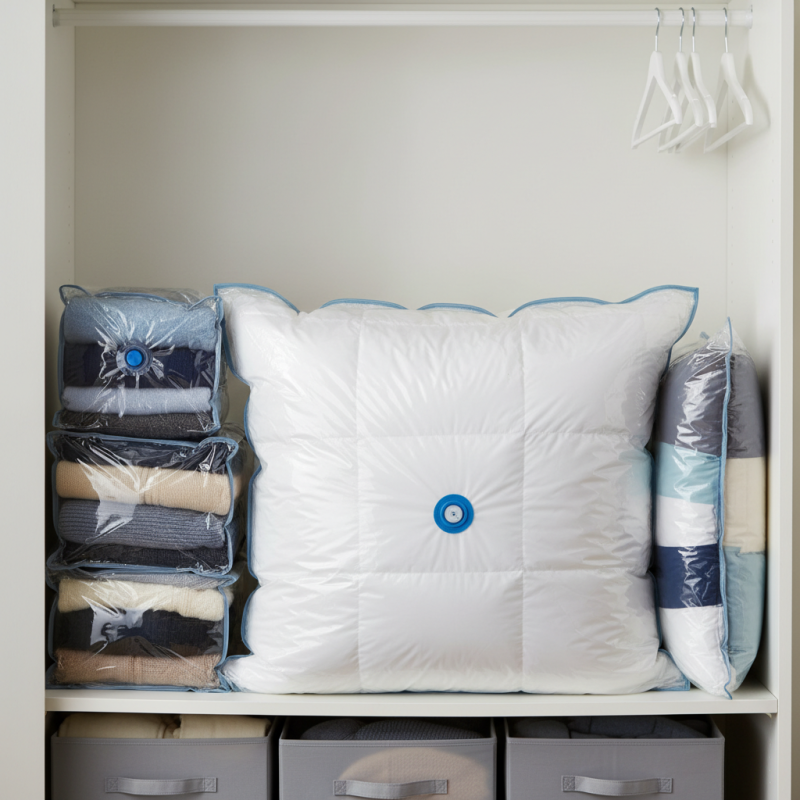
Understanding Vacuum Shrink Bags: Types and Materials Explained
Vacuum shrink bags are an excellent choice for storage. They are designed to significantly reduce the space clothes and other items occupy. Understanding their types and materials can enhance your storage experience.
There are several types of vacuum shrink bags on the market. Some are best for clothing, while others are ideal for bedding or bulky items. The materials vary, too. Most bags are made from polyethylene or nylon. These materials are durable and can withstand the rigors of vacuum sealing. However, not all bags offer the same level of protection. It’s essential to consider thickness and seal quality when choosing the right one for your needs.
While vacuum shrink bags are useful, they are not without flaws. Bags can sometimes leak air if not sealed correctly. Using them for items that require ventilation can lead to mold. It's crucial to assess what you’re storing before vacuum sealing. Testing different bag types can help you understand their limitations and improve your overall storage strategy.
The Science of Vacuum Sealing: How It Reduces Air and Preserves Quality
Vacuum sealing is a science that effectively reduces air exposure, a key factor in food spoilage. When air is removed from a sealed bag, oxidation slows down. This process preserves the quality and freshness of food. It also minimizes the growth of harmful bacteria. By limiting air, vacuum sealing enhances flavors and textures.
The vacuum shrink bags are ideal for various items, not just food. They can protect clothes and bedding from moisture and pests. However, improper sealing can lead to compromised quality. It’s essential to ensure that the bags are properly vacuumed. Even a small piece of air can lead to spoilage. Experimenting with different sealing techniques might bring better results.
Many people may overlook the importance of a good seal. Sometimes, a user may not line the bag correctly or seal it tightly. Small mistakes can impact preservation. Learning from these missteps can lead to improved vacuum sealing practices. Creating optimal storage solutions takes time and patience, but the results are rewarding.
Step-by-Step Guide: Proper Use of Vacuum Shrink Bags for Storage
Vacuum shrink bags are a great way to maximize your storage space. To start, ensure you have clean and dry items. Use a vacuum cleaner with appropriate attachments for the best results. Place your items in the bag, arranging them neatly to avoid damage. Leave some space at the top, as this helps during the sealing process.
Next, seal the bag according to the manufacturer’s instructions. This usually involves using a vacuum sealer, which will remove excess air. Check for any air pockets before sealing completely. Sometimes, people overlook this step, leading to less effective compression.
After sealing, store the bags in a cool, dry place. Avoid areas with sharp edges or high temperatures, as these can compromise bag integrity. It’s vital to regularly check your stored items for any signs of wear. Reflect on your organization methods and adjust as needed for better efficiency. Using these tips can enhance your storage experience.
How to Use Vacuum Shrink Bags for Optimal Storage Solutions? - Step-by-Step Guide
| Step | Action | Tips |
| 1 | Select the Right Bag Size | Choose bags based on the items you want to store. |
| 2 | Fill the Bag | Don’t overfill; leave a bit of space at the top. |
| 3 | Seal the Bag | Ensure the zipper is completely closed for an airtight seal. |
| 4 | Use a Vacuum Cleaner | Attach the nozzle to the bag’s valve and turn on the vacuum. |
| 5 | Store the Bag | Place in a cool, dry place. Avoid sunlight exposure. |
Common Storage Mistakes: What Not to Do with Vacuum Shrink Bags
When using vacuum shrink bags, avoiding common storage mistakes is crucial. Many people underestimate the importance of proper sealing. A bag that isn't fully sealed can allow air to enter, negating the benefits of compression. Always check for wrinkles or folds before sealing. Even a small crease can compromise the bag's effectiveness.
Another frequent error is overpacking bags. While it might seem tempting to maximize space, overstuffed bags can tear or fail to compress properly. It’s essential to leave some space for the vacuum to work efficiently. Additionally, using inappropriate items can lead to issues. For instance, sharp objects can pierce the bag. Storing items that can’t compress well may also lead to waste of space.
Lastly, ignoring the maintenance of vacuum bags is another pitfall. Regularly inspect bags for wear and tear. Old or damaged bags may not function as expected. Take the time to refresh your storage approach, and always replace any compromised bags. These steps enhance both the functionality and longevity of your vacuum storage solutions.
Storage Mistakes to Avoid with Vacuum Shrink Bags
Optimal Storage Tips: Maximizing Space and Longevity in Your Home
Vacuum shrink bags are a practical solution for maximizing space at home. When used correctly, they can reduce the volume of clothing and bedding by up to 80%. This compresses items neatly, allowing for efficient storage in closets and under beds. An industry report from the Storage Association found that 50% of consumers struggle with clutter due to inadequate storage solutions. Vacuum bags can help tackle this issue effectively.
Choosing the right size bag is crucial. Oversized bags may lead to air retention, which limits space-saving benefits. A survey indicated that 70% of users experienced improved organization after incorporating vacuum bags into their storage routine. However, it’s important to periodically check the integrity of the bags. Neglect can lead to accidental punctures, which diminish the bags' effectiveness.
To ensure longevity, keep them in a cool, dry place. Humidity can negatively affect stored items, leading to mold and unpleasant odors. A report by the Home and Living Institute emphasized that 30% of stored textiles suffer damage due to improper climate conditions. Regular inspection and maintenance are vital to protect your stored belongings.
Adopting these strategies can significantly enhance your storage effectiveness while preserving the condition of your items.