What Are Aluminum Profiles for Sliding Doors?
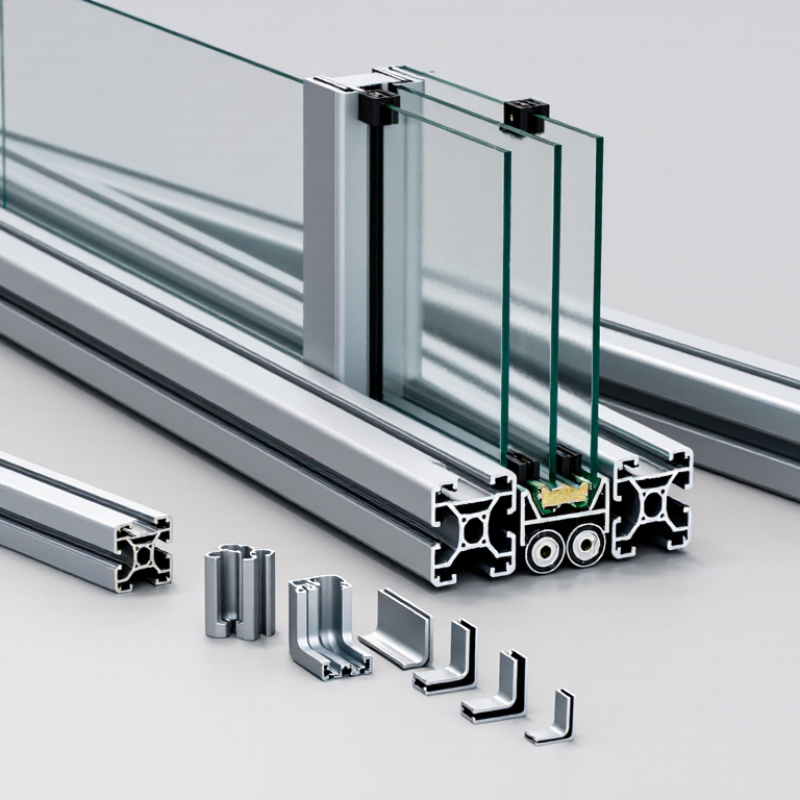
Aluminum Profiles For Sliding Doors form the structural framework around glass panels, rollers, seals, and locking hardware. They guide movement while supporting the door’s weight and protecting vulnerable edges. In a well-designed system, the frame feels rigid, the rollers move quietly, and the panels meet without visible gaps. Small details matter.
These profiles are commonly made from aluminum alloys selected for strength, weight, and corrosion resistance. Surface treatments, such as anodizing or powder coating, can improve appearance and durability. However, no profile works perfectly in every project. Coastal air, frequent use, wide openings, and heavy glass may require different specifications. This is where practical evaluation becomes important.
A reliable selection process examines wall dimensions, glass thickness, load capacity, drainage, thermal performance, and hardware compatibility. Installers should check profile tolerances carefully. A few millimeters of error can create rubbing, air leakage, or difficult operation. Product drawings and tested performance data are more dependable than attractive catalog images.
Some designs look impressive but perform poorly after installation. That is worth remembering. Experienced fabricators usually verify measurements on site, confirm the roller system, and allow for movement caused by temperature changes. Maintenance also matters. Clean tracks and correctly adjusted rollers can extend service life.
This guide explains how Aluminum Profiles For Sliding Doors work, where different profile types fit, and which practical factors influence a safe, durable installation. It also considers the limitations that product descriptions often overlook.
What Aluminum Profiles for Sliding Doors Are
Aluminum profiles for sliding doors are shaped frame sections made by pushing heated aluminum through a designed die. They hold the glass, guide the rollers, and connect the door to its track. Most architectural profiles use 6063 aluminum because it offers good extrusion quality, corrosion resistance, and surface finishing. T5 or T6 tempering can improve strength. However, alloy choice alone does not ensure a reliable door. Wall thickness, corner joints, track geometry, and drainage channels matter just as much.
The International Aluminium Institute reports that roughly 75% of all aluminum ever produced remains in use today. This supports aluminum’s long service potential when profiles are correctly designed and maintained. The U.S. Department of Energy notes that windows can account for about 25% of residential heating and cooling energy use. This is not a door-specific guarantee. Still, it explains why thermal breaks, compression seals, and accurate roller systems deserve attention. Thermal-break profiles use a low-conductivity strip to interrupt heat transfer through the metal frame.
European Aluminium states that recycling aluminum requires about 5% of the energy used for primary production. That advantage depends on proper collection and processing. In real projects, profile selection should match glass weight, opening width, wind exposure, and local drainage needs. A deeper interlock may improve sealing, but it can reduce installation clearance. The weak point is often installation, not extrusion. Even a premium-looking profile can perform poorly when the sill drains badly or rollers are misaligned. Designers should verify test results, tolerances, and maintenance access rather than trust appearance alone.
What Are Aluminum Profiles for Sliding Doors?
Aluminum profiles are extruded sections used to build the frame, tracks, sashes, interlocks, and glazing edges of sliding doors. Their nominal depth varies according to the door size, glass weight, thermal requirements, and number of panels.
The chart shows representative nominal frame depths commonly found in sliding-door systems. Actual dimensions depend on the structural design, glass specification, weather-sealing requirements, and local building standards.
Key Components and Structural Functions
What Are Aluminum Profiles for Sliding Doors?
Key Components and Structural Functions
Aluminum profiles are shaped sections that create a sliding door’s frame and moving structure. They support the glass, guide the panels, and transfer loads to the surrounding wall. A typical system includes head, sill, jamb, and interlock profiles. Each section has a specific role.
The sill profile holds the lower track and manages water drainage. Vertical jambs keep the panel aligned during movement. The interlock profile closes the meeting gap between two sliding panels. Small parts matter. Rollers fit inside dedicated carriers and carry the door’s weight across the track. Their diameter, material, and adjustment range affect smooth operation. Weather seals reduce air leakage, dust, and rain entry. Glazing beads secure the glass without placing direct pressure on its edges.
Profile thickness and internal chambers influence stiffness and thermal performance. Thermal-break designs use insulating separators between inner and outer aluminum sections. This reduces heat transfer, though installation quality still matters. Drainage channels need clear outlets, especially in wet climates. A blocked channel can undermine an otherwise well-designed frame. From practical inspections, poorly leveled tracks cause many complaints, including noise and uneven gaps. I have also seen oversized panels strain rollers over time. The specification may look correct, but field conditions can expose weaknesses. Clearances, fasteners, glass weight, and wall tolerance deserve careful checking before installation.
Aluminum Grades, Finishes, and Surface Treatments
Aluminum profiles for sliding doors are usually selected by alloy, temper, finish, and exposure conditions. Alloy 6063 remains common for architectural extrusion because it offers smooth surfaces and reliable formability. Alloy 6061 provides higher strength, but its appearance may be less refined after extrusion. The Aluminum Association identifies 6063 and 6061 as widely used wrought alloys in construction applications. Temper also matters. A stronger profile can resist deflection, yet it may complicate machining and increase cost.
Surface treatment protects the frame and shapes its visual character. Anodizing creates a hard oxide layer and helps maintain a metallic appearance. Powder coating offers broad color choices and can improve resistance to weathering when properly cured. For coastal projects, specify coating thickness, pretreatment, and corrosion testing instead of choosing by color alone. ISO 7599 provides guidance for anodizing architectural aluminum. The International Aluminium Institute reports that recycling aluminum uses about 95% less energy than producing primary aluminum, supporting designs that preserve long service life and recyclability. Still, finish damage at cut edges is often underestimated.
Tips: Request the alloy, temper, coating class, and test results in writing. Check drainage paths and corner joints. Small gaps matter. A specification can look complete and still miss salt exposure, thermal movement, or hardware loads. I would review the drawings with an installer, because real site tolerances rarely match perfect factory dimensions.
How Profiles Enable Smooth Sliding Door Operation
Aluminum profiles for sliding doors form the structural path that guides each panel. They usually include the top track, bottom rail, side frames, and connecting channels. Their light weight reduces the load on rollers, while their rigidity helps maintain accurate alignment. This balance matters because even a strong roller can struggle inside a twisted frame.
Smooth operation starts with precise profile geometry. The track must remain straight across its full length. Rollers then move through a clean, continuous channel instead of climbing over small gaps. A properly designed bottom rail also spreads the door’s weight evenly. This reduces vibration, scraping, and uneven wear. Seals fitted into dedicated grooves limit drafts and soften closing noise. Small details matter here.
Installation quality can change the result more than material choice. I have seen well-made profiles perform poorly after a slightly uneven floor distorted the frame. Measuring the opening at several points helps reveal this problem early. Fasteners should secure the profile without crushing or bending it. Dirt is another overlooked issue. A few grains of sand can create a rough sound and increase rolling resistance. Regular cleaning and occasional hardware checks are practical maintenance steps. Still, smoother movement is not always better; excessive looseness may indicate poor adjustment or worn components. That deserves attention before the door becomes difficult to control.
Factors for Selecting the Right Sliding Door Profiles
What Are Aluminum Profiles for Sliding Doors?
Aluminum profiles are shaped extrusions that form the frame, tracks, and meeting stiles of sliding doors. They support glass panels while guiding smooth movement. Their strength, weight, and corrosion resistance make them suitable for homes, offices, and sheltered outdoor areas.
Factors for Selecting the Right Sliding Door Profiles
Start with the opening size and panel weight. A wide glass panel needs profiles with suitable wall thickness and load capacity. Check the alloy grade, internal reinforcement, and track design before choosing. In practice, I have found that weak tracks create vibration, noise, and uneven movement. Small errors matter.
The roller system must match the profile channel precisely. Look for adjustable rollers, replaceable parts, and reliable drainage paths. Profiles with thermal breaks can reduce heat transfer in conditioned rooms. They may also limit condensation around the frame. However, thermal performance depends on glass, seals, installation, and local climate. The finish deserves equal attention. Powder-coated or anodized surfaces should resist scratches and moisture, but poor handling can still damage them.
Measure twice. Cut once.
Installation tolerances are often overlooked. A high-quality profile can perform badly when the opening is out of square. Leave space for adjustment, sealant, and drainage. I once underestimated floor movement on a renovation project, and the panels later dragged slightly. That mistake changed my approach: profile selection must consider the building, not only the catalog dimensions. Door use, wind exposure, maintenance access, and cleaning habits should guide the final specification.