What Is a Carbon Fiber Golf Umbrella?

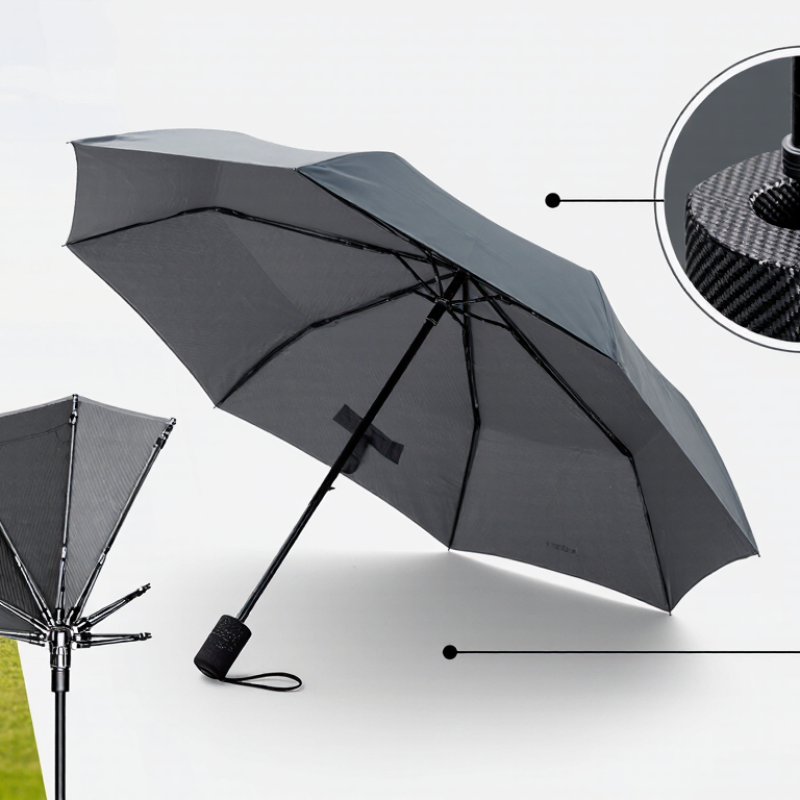
A carbon fiber golf umbrella is a large, wind-resistant umbrella designed for golfers, caddies, and outdoor users. Its frame may use carbon fiber shafts, ribs, or both. Carbon fiber combines low weight with high stiffness, helping the canopy remain stable during sudden gusts. The result feels different from a conventional steel umbrella. It can open above a golf bag without creating unnecessary arm fatigue.

Industry research supports the material’s growing relevance. MarketsandMarkets’ 2024 Carbon Fiber Market report identifies aerospace, automotive, sporting goods, and renewable energy as major carbon fiber application sectors. Its analysis also links demand to lightweight, high-strength product design. Grand View Research’s golf equipment market coverage describes continued interest in performance-focused accessories, although umbrellas receive less attention than clubs or balls. That gap matters. Product claims are sometimes broader than the available evidence.

A quality carbon fiber golf umbrella should include more than a carbon frame. Look for a reinforced canopy, corrosion-resistant joints, a comfortable non-slip handle, and a vented construction. These details affect stability beside an exposed fairway. A carbon shaft may resist bending, but the fabric, ribs, and hinge can still fail under severe wind. No umbrella is invincible.

Independent testing remains valuable. ASTM material data can help verify carbon fiber performance, while manufacturer testing should explain wind-resistance methods and failure limits. Buyers should also check folded length, canopy diameter, weight, and warranty coverage. In simple terms, this umbrella is not merely lighter. It is a carefully balanced weather tool, though “storm-proof” should always be questioned.
What Is a Carbon Fiber Golf Umbrella?

Definition and Core Features of a Carbon Fiber Golf Umbrella

A carbon fiber golf umbrella is a large, lightweight umbrella built with carbon fiber in its shaft, ribs, or both. Carbon fiber combines low weight with strong resistance to bending. This matters on a golf course, where the umbrella may stay open for several hours.

Its core feature is coverage. A wide canopy can protect a golfer, clubs, and part of a caddie from rain and sunlight. The carbon fiber frame helps reduce hand and shoulder fatigue. Flexible ribs may also recover better after moderate wind pressure. However, carbon fiber does not make an umbrella storm-proof. Strong gusts can still turn or damage the canopy. That detail is often overlooked.

A quality design should include a balanced handle, smooth opening, reinforced rib joints, and water-resistant fabric. An automatic mechanism is convenient, but it should not feel loose. In practical use, small defects matter. A slightly weak joint may fail after repeated folding, even when the frame looks impressive. Buyers should check the stitching, shaft connection, and canopy tension before regular use.

Tips: Choose a canopy wide enough for your equipment. Test the grip with one hand. Keep the umbrella closed during dangerous winds. Dry it fully before storage, because trapped moisture can weaken fabric and hardware. Weight claims also need perspective; the lightest option is not always the most stable.

Carbon Fiber Materials Used in Golf Umbrella Construction

What Is a Carbon Fiber Golf Umbrella?

Carbon fiber golf umbrellas use carbon-fiber-reinforced polymer in selected structural parts. The material combines fine carbon strands with a resin matrix. This construction creates a stiff, lightweight frame. In practice, the ribs resist bending during strong gusts. The central shaft also feels less bulky than many metal alternatives. That difference matters when carrying the umbrella across wet fairways. I have found that balance matters as much as weight. A very light umbrella can still feel awkward if its ribs flex unevenly.

Manufacturers usually build the frame through layered composite sheets or molded tubes. Fiber direction is important. Longitudinal fibers improve stiffness along the shaft. Cross-laid fibers help control twisting around joints. Resin holds the layers together and transfers stress between them. Carbon fiber also resists rust, but it is not immune to damage. A sharp impact can create hidden cracks beneath an unmarked surface. This is easy to overlook.

Good construction includes reinforced hinges, secure rib connections, and careful curing. These details often determine durability more than the carbon material itself. Testing should examine wind loading, repeated opening, and joint fatigue. However, carbon fiber is not automatically superior in every design. Poor bonding or thin sections may reduce reliability. A practical inspection should check loose ribs, unusual creaking, and surface splits before use. Balance remains a design challenge.

How Its Frame and Canopy Provide Wind Resistance

What Is a Carbon Fiber Golf Umbrella?

How Its Frame and Canopy Provide Wind Resistance

A carbon fiber golf umbrella uses a lightweight, rigid frame to support its large canopy. Carbon fiber ribs resist bending while keeping the umbrella easier to carry across a wet course. The central shaft adds stability, especially when gusts strike from the side. However, carbon fiber alone does not guarantee wind resistance. Design matters more than the material’s name.

The canopy also plays an important role. A tightly stretched, water-resistant fabric reduces flapping and keeps wind from catching loose sections. Strong rib joints help the frame flex slightly instead of snapping under sudden pressure. Some designs include small vents that release trapped air through the top. This reduces lifting force, but it cannot defeat every storm. No umbrella is invincible.

Tips: Hold the handle firmly, keep the canopy angled into the wind, and avoid forcing it open during strong gusts. Check the ribs, joints, and fabric after each season. Small cracks can become serious failures. A broader canopy offers more coverage, but it also creates more wind resistance. This is an easy detail to overlook. In real use, balance, maintenance, and sensible weather judgment matter as much as carbon fiber.

Advantages and Limitations for Golf Course Use

What Is a Carbon Fiber Golf Umbrella?

Advantages and Limitations for Golf Course Use

A carbon fiber golf umbrella uses carbon-fiber-reinforced composite parts in its shaft, ribs, or both. These parts feel noticeably lighter during an 18-hole round. The ASM Handbook reports composite densities near 1.5–1.6 g/cm³, compared with about 7.85 g/cm³ for steel. That weight difference matters when wet gloves, clubs, and a rain jacket already add fatigue. A large canopy also protects the golfer, bag, and scorecard from steady rain.

Carbon fiber can provide useful stiffness. Under controlled testing, carbon composites may reach tensile strengths above 600 MPa, according to ASTM D3039-based material data. This helps the frame resist ordinary gusts and repeated opening. It is not indestructible. Composite ribs can crack after sharp bending, impact, or careless storage. Unlike metal, damaged carbon fiber may hide internal fractures. I have seen a frame look straight but fail after another windy hole.

Wind remains the main limitation. A golf umbrella has a broad canopy, so sudden gusts create substantial leverage. No material removes that force. The National Weather Service advises leaving exposed areas when thunderstorms threaten; an umbrella is not lightning protection. UV exposure, sand, and wet storage can also weaken coatings and joints over time. Carbon fiber costs more than common fiberglass, and replacement parts may be difficult to match. The weight advantage is real, but the durability claim needs careful skepticism.

Key Factors for Choosing and Maintaining One

What Is a Carbon Fiber Golf Umbrella?

Key Factors for Choosing and Maintaining One

A carbon fiber golf umbrella uses a lightweight shaft and flexible ribs made partly from carbon fiber. This material resists rust and usually handles repeated opening better than ordinary metal. On a windy course, low weight matters when you carry several clubs and walk between holes. However, carbon fiber is not indestructible. A sharp impact or sudden inversion can damage the ribs.

Check the frame before the canopy. Look for strong joints, smooth movement, and ribs that return to their original shape. A vented canopy can release pressure during strong gusts. A wide canopy protects both the golfer and the bag, but excessive size may feel awkward in crowded areas. Choose a handle that stays secure with wet hands. Test it first.

Maintenance is simple, but often neglected. Open the umbrella fully after rain and let it dry before storage. Trapped moisture can create odors and weaken fabric coatings. Wipe the shaft with a soft, dry cloth. Rinse away mud or salt with clean water, then dry every joint. Never force a stuck runner. I once pushed one too hard and worsened the damage. Inspect loose stitching and bent ribs after every storm. Store the umbrella in a cool, dry place, away from sharp equipment. A protective sleeve helps, though it cannot replace careful handling.

What Is a Carbon Fiber Golf Umbrella? - Key Factors for Choosing and Maintaining One

Factor Typical or Recommended Specification Why It Matters Selection and Maintenance Guidance
Frame and shaft material Carbon-fiber composite shaft and/or ribs, often combined with metal joints and fittings Carbon fiber has a high strength-to-weight ratio and does not rust, helping reduce overall weight. Inspect the joints, tips, and connection points because composite parts can still crack or be damaged by impact and repeated bending.
Canopy diameter Approximately 60–68 inches (152–173 cm) for common golf-umbrella sizes A larger canopy can cover a golfer, golf bag, and equipment more effectively, but it may be harder to carry in crowded areas. Choose a size that matches the intended use. Do not force the umbrella closed if the canopy or ribs are obstructed.
Open design Straight, manual-open construction is common; automatic opening is also available A straightforward mechanism can reduce moving parts, while automatic opening improves convenience but adds mechanical components. Keep the runner and release mechanism free of sand and dirt. Never place fingers near the ribs while opening or closing.
Canopy fabric Tightly woven polyester is widely used; water-repellent coatings are common The canopy provides rain and sun protection, while the fabric’s weave and coating affect water resistance and durability. Clean with lukewarm water and mild soap. Avoid bleach, abrasive cleaners, and high heat that may damage the fabric or coating.
Wind performance Look for a vented canopy, flexible ribs, and a clearly stated wind rating when available Vents can allow some air to pass through and may reduce pressure beneath the canopy, but no golf umbrella is intended for severe storms. Close the umbrella before entering exposed areas during thunderstorms or strong gusts. Do not use it as protection from lightning.
Weight and portability Many full-size golf umbrellas weigh roughly 0.6–1.0 kg, depending on size and construction Lower weight is more comfortable for walking the course, but additional features and larger canopies can increase weight. Check the actual product weight rather than assuming that every carbon-fiber umbrella is ultralight.
Handle and grip Ergonomic handle with a secure, comfortable grip; a strap is useful for carrying A stable grip helps control a large canopy in wind and reduces hand fatigue during extended use. Wipe the handle dry after use and check that the strap, adhesive, or attachment point is not loosening.
UV protection A canopy with a stated UPF rating is preferable for regular sun protection UPF describes how effectively fabric limits ultraviolet radiation passing through it; color alone is not a reliable rating. Follow the care instructions because washing, abrasion, and prolonged exposure can affect fabric performance over time.
Drying after use Allow the umbrella to dry fully before storing it Storing damp fabric encourages mildew and can cause unpleasant odors or deterioration of coatings. Open the umbrella in a well-ventilated place until completely dry, then store it loosely in its sleeve.
Cleaning frequency Rinse or clean when visibly dirty, after muddy conditions, or before long-term storage Removing dirt and salt residue helps protect the fabric, joints, and metal fittings. Use a soft cloth or sponge, rinse thoroughly, and avoid machine washing unless the care label specifically permits it.
Storage and inspection Store in a cool, dry location away from sharp objects and prolonged direct sunlight Proper storage reduces fabric fading, deformation, corrosion of metal parts, and accidental damage to composite components. Before each season, check the canopy, stitching, ribs, shaft, runner, and tip. Stop using the umbrella if structural parts are cracked or loose.
Your browser is out of date!

Update your browser to view this website correctly. Update my browser now

×