Why Do Parents Need a Diaper Bag?
Leaving home with a baby can turn a brief errand into a small logistics exercise. A diaper, wipes, spare clothes, and a feeding item may all be needed before lunchtime. A Diaper Bag keeps these essentials together, making them easier to find in a crowded car or unfamiliar changing area. A side pocket can hold a water bottle, while a washable pouch separates damp clothes from clean ones. Small details help.
A well-packed bag can also make outings feel more manageable for parents and other caregivers. Instead of guessing what is missing, they can check a short list before leaving. The best contents depend on the baby’s age, the outing, and the family’s routine; one family’s ideal setup may not suit another. Parents often learn this by packing too much, then removing items they never use. It happens. A larger bag is not automatically better, either. If it is difficult to carry or hard to organize, useful supplies can disappear at the bottom. Choosing a comfortable bag with a few practical compartments may work better than chasing every feature. No bag prevents every surprise, and babies rarely follow a perfect schedule. Still, having everyday necessities within reach can reduce avoidable stress and help caregivers focus on the child. That is the real reason a Diaper Bag earns its place: not as a promise of effortless outings, but as a simple, adaptable way to prepare.
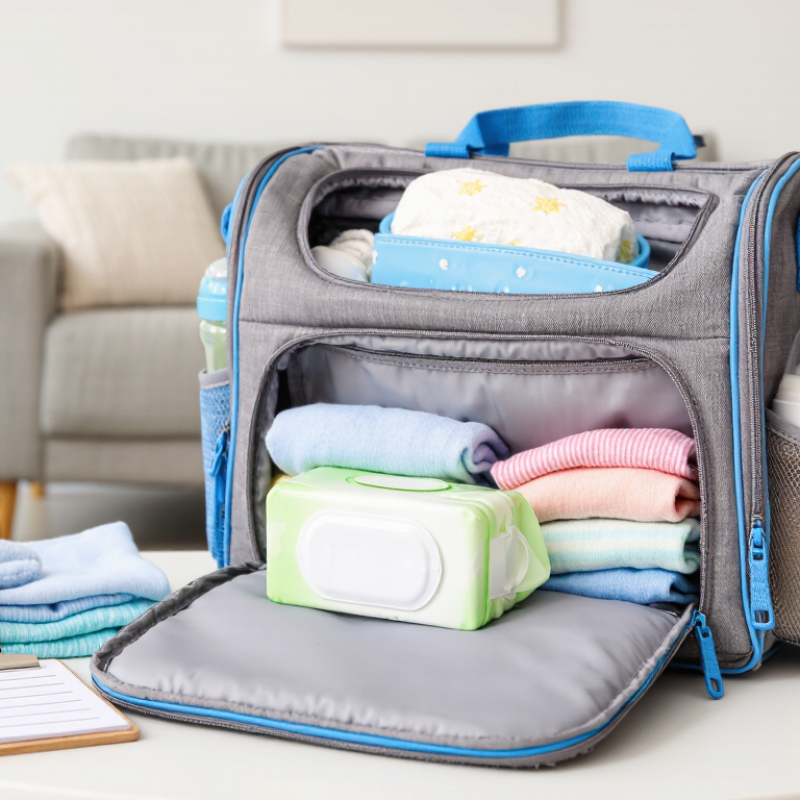
What a Diaper Bag Is and What It Typically Holds
A diaper bag is a portable place for the supplies a caregiver may need while away from home. It usually has several pockets, a wide opening, and room for diapers, wipes, and a change of clothes. Some bags include a changing mat, but the contents matter more than extra features. It is not a magic solution. You may still forget something.
Typical items include a few diapers, wipes, a small bag for soiled clothing, and a spare outfit. Depending on the child and the outing, caregivers may also pack bottles or feeding supplies, a burp cloth, a bib, snacks for an older child, and a comfort item. A light blanket can be useful, too. Pack for the trip ahead, not every possible emergency; an overfilled bag gets awkward quickly. Needs also change as children grow, so check supplies now and then.
Tips: Put frequently used items near the top, and keep clean clothes separate from used ones. Before leaving, check the diaper count and refill wipes. I sometimes pack too much; a quick review helps me notice what never gets used.
Why Babies Need Supplies Away from Home
A short trip can become complicated when a baby needs feeding, a change, or comfort away from home. A diaper bag keeps those essentials close, instead of scattered across the car or tucked into separate pockets. Pack a few diapers, wipes, a change of clothes, and a clean cloth for spills. Add feeding supplies suited to your baby’s routine, and any items your caregiver has recommended.
Babies notice. A wet outfit, an empty bottle, or a missed nap can shift the mood quickly. Having familiar supplies nearby may make stops more manageable, though a bag cannot prevent every difficult moment. Plans change. Check the contents before leaving, especially after using the last diaper or cloth. Keep frequently needed items near the top, where they are easy to reach while holding a baby. A small pouch can separate clean clothes from used ones, but it may not stay tidy for long. That is normal. Choose a bag you can carry comfortably, and pack for the outing rather than every possibility. For longer trips, consider weather, feeding needs, and access to safe changing spaces. A little preparation helps parents respond with less scrambling when the day takes an unexpected turn.
How a Diaper Bag Helps Parents Manage Daily Care
A diaper bag gives parents one place to keep the small items that make daily care easier. A clean diaper, wipes, and a spare outfit can turn an awkward moment into a manageable one. Keep frequently used items near the top, so you are not searching while holding a restless baby. A side pocket can hold a bottle or water, while a washable pouch keeps damp clothes separate. Small details help.
Packing for a short walk is different from preparing for a full day out. A few diapers and a changing mat may be enough nearby; longer trips may call for extra clothes, feeding supplies, and a light blanket. I have learned that adding more “just in case” items can make the bag heavy and harder to use. I still sometimes pack too much. Check supplies before leaving, and adjust them to your child’s routine, the weather, and the length of the outing. Keep medicines and other small essentials secured, and follow their storage instructions. A bag cannot prevent every surprise, but a familiar setup can make care feel less scattered.
Why Do Parents Need a Diaper Bag?
How a Diaper Bag Helps Parents Manage Daily Care
A diaper bag keeps everyday care items together and easy to reach. Bars show the number of suggested item types in this practical checklist—not survey results: diapering (diapers, wipes, changing pad, disposal bags); feeding (bottle, bib, burp cloth); clothing (spare outfit, extra layer); and comfort and hygiene (pacifier, hand sanitizer).
Features That Keep Baby Essentials Organized and Accessible
Why Do Parents Need a Diaper Bag?
Features That Keep Baby Essentials Organized and Accessible
A diaper bag works best when essentials have clear, easy-to-reach places. Separate pockets can keep clean diapers away from used clothes, while a wipe dispenser helps during quick changes. An insulated compartment can hold a bottle, and a small zippered pocket can protect keys or a pacifier. Less rummaging. Still, too many compartments can make items harder to find if their purpose is unclear.
The American Academy of Pediatrics’ HealthyChildren.org notes that newborns may need around 10 to 12 diaper changes daily. That means parents may carry several diapers, wipes, and a spare outfit, even for a short outing. Look for a wide-opening main compartment, washable lining, and adjustable straps. A bag that stands upright can also keep supplies from spilling when opened beside a stroller. One imperfect detail: a full bag gets heavy, so carrying every “just in case” item may not help.
Tips: Pack diapers and wipes together, then keep a spare outfit in a separate pouch. Restock after each trip, not the next morning. Try the layout at home before heading out; the pocket that seems obvious in a store may be awkward with one hand.
How to Choose a Diaper Bag for Family Needs
Choosing a diaper bag starts with your family’s actual routine, not the longest feature list. Count the diapers, wipes, bottles, snacks, and spare clothes you carry on a typical outing. A two-hour trip needs less than a full day away. That matters. The National Diaper Bank Network’s 2023 U.S. Diaper Need report found that one in two families with young children experiences diaper need. That figure does not measure bag use, but it highlights why practical storage and easy restocking matter.
Look for wide openings, washable lining, and pockets you can reach with one hand. A separate wet-clothes pouch can keep a spill away from clean outfits. Check whether the bag fits your stroller basket, but test its weight when fully packed. Try loading it at home. Can you find wipes without moving everything? Keep it simple. An included changing pad may help, though it should feel easy to clean and large enough for your needs. Family needs change, so adjustable straps and flexible compartments can be more useful than many fixed pockets. It is easy to overpack “just in case”; I would leave room for what your child actually uses.