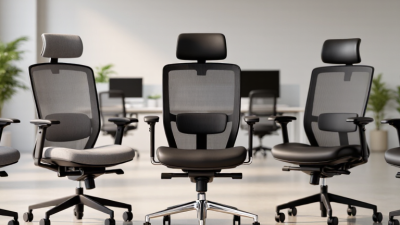
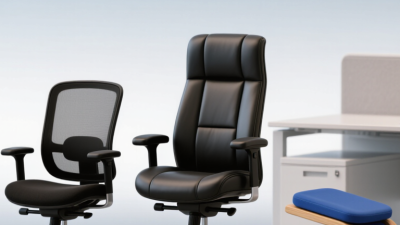
China Top 10 High Quality Office Chair Manufacturers
China’s office-chair industry serves a global market where comfort, durability, and value all matter. Grand View Research estimated the global office furniture market at USD 54.5 billion in 2023, reflecting demand for products suited to changing workplaces. Market growth alone, however, does not prove that any chair is well made. Buyers still need to examine materials, adjustment range, testing, and after-sales support.
Ergonomics offers a useful starting point. Cornell University ergonomics professor Alan Hedge is often quoted as saying, “The best posture is your next posture.” The reminder is practical: even a supportive chair cannot replace movement or a well-arranged workstation. For product checks, BIFMA’s X5.1 standard provides performance tests for general-purpose office chairs. A certification or test claim should be checked against the specific model, not assumed across an entire brand.
This guide introduces 10 Chinese manufacturers associated with high quality office chairs, focusing on details buyers can compare: frame and base construction, lumbar adjustment, upholstery options, production capabilities, and stated compliance. Product catalogs can make similar promises. Real differences may appear in mechanisms, warranty terms, and sample quality. That comparison is useful, but incomplete; specifications and service can vary by order and market. Use the list as a research starting point, then verify claims directly before choosing a supplier.
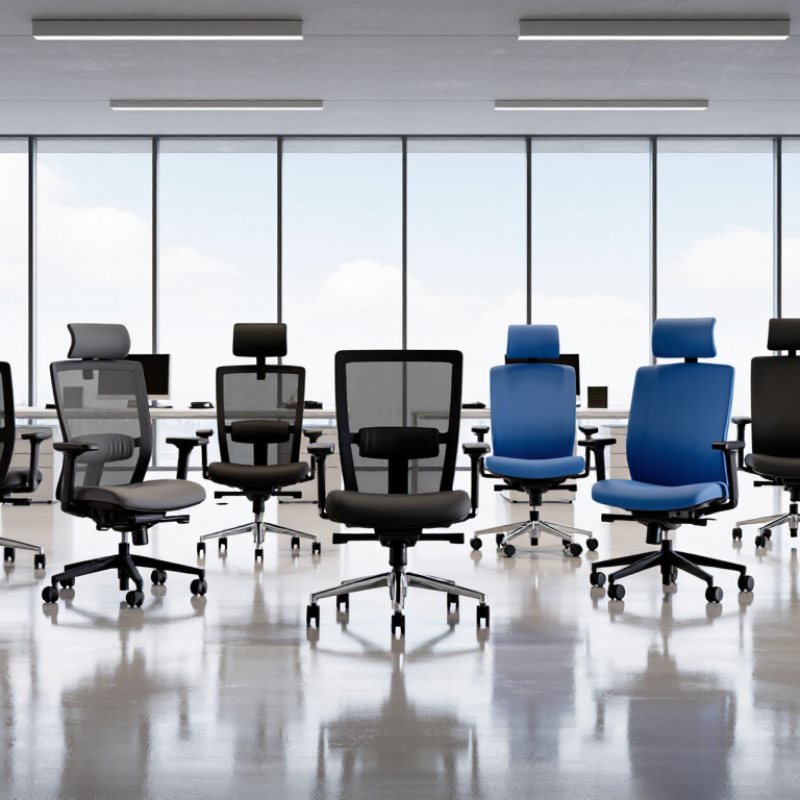
Overview of China’s Office Chair Manufacturing Industry
China’s office chair industry sits within a much larger furniture manufacturing base. The National Bureau of Statistics reported operating revenue of about CNY 655.7 billion for furniture manufacturers above designated size in 2023. This figure covers furniture broadly, not office chairs alone. That distinction matters when evaluating market claims.
Manufacturing clusters across coastal provinces connect component suppliers, assembly plants, and export logistics. A typical production line may combine molded foam, mesh fabric, steel bases, casters, and adjustable mechanisms. Small changes in these parts affect comfort, durability, and production cost. Quality checks often include load, stability, and repeated-use testing. Ask for test methods and sample records, not just a certificate image. Details matter.
The supply chain can support custom dimensions, fabrics, and order volumes, but capabilities vary widely between factories. Buyers should check whether a supplier makes key components or sources them externally. That can affect lead times and consistency. The picture is not perfect: published industry data rarely isolates office chairs, and factory claims may be hard to compare. A useful assessment combines product samples, factory audits, and transparent specifications.
Criteria for Evaluating High-Quality Office Chair Manufacturers
When evaluating high-quality office chair manufacturers in China, look beyond polished product photos. Ask for specifications covering frame materials, foam density, fabric abrasion resistance, and gas-lift performance. Request test reports and confirm which chair models they cover. A report for one model may not represent an entire product range.
Check how the manufacturer controls quality during production. Ask how often staff inspect welds, stitching, caster movement, and seat-height adjustment. A factory visit or live video walkthrough can show whether inspection steps are documented. Discuss warranty terms, replacement parts, and response times in writing. Then test a sample through a realistic workday. Comfort varies between users, and one trial cannot reveal every long-term issue. That limitation matters.
Tips: Compare the same specifications across suppliers, not just quoted prices. Ask for a sample with the exact fabric and components planned for bulk production. Keep notes on seat depth, lumbar support, and adjustment range. Small details count. If answers are vague, ask again; a neat brochure is not proof of consistent quality.
Criteria for Evaluating High-Quality Office Chair Manufacturers
Suggested evaluation weights for comparing manufacturers: prioritize ergonomic adjustability and durability testing, followed by materials, warranty support, compliance documentation, and production flexibility. These are framework weights—not measured scores or rankings for individual companies.
Profiles of Ten Leading Chinese Office Chair Manufacturers
This article profiles ten Chinese office chair manufacturers through their products, production strengths, and practical differences. One focuses on ergonomic task chairs, with adjustable lumbar support and breathable mesh. Another specializes in executive seating, using padded backs and wider armrests. A third develops compact chairs for small offices. Others concentrate on conference seating, staff chairs, heavy-use models, or customizable finishes. The remaining profiles examine manufacturers with experience in export orders, in-house component production, and flexible batch sizes. These are useful distinctions, but they do not prove quality on their own.
A closer look at each manufacturer should include frame construction, foam recovery, stitching, adjustment mechanisms, and the smoothness of the casters on a hard floor. Ask for product specifications and test samples before comparing prices. A chair may look sturdy in a photograph, yet feel unstable after repeated leaning. Small details matter. Check how clearly a supplier explains warranty terms, inspection steps, and production timelines. Some makers offer broad catalogs; others are stronger in a narrow product range. That difference can affect lead times and customization. No profile can replace an independent sample review, and supplier claims deserve careful checking.
One limitation remains: factory descriptions rarely show how a chair performs after months of daily use.
Ergonomic Design, Materials, and Manufacturing Capabilities
China’s office chair manufacturers vary in how carefully they translate ergonomic ideas into everyday comfort. Look for adjustable seat height, responsive lumbar support, and armrests that move without wobbling. A useful chair should support different working postures, not force every user into one fixed position. Check the seat edge, too: a rounded front can reduce pressure behind the knees during long desk sessions.
Materials matter in daily use. Dense foam should recover after repeated sitting, while mesh needs even tension and clean stitching. For upholstered models, inspect seams and the underside, not just the showroom surface. Ask about frame materials, weight testing, and inspection steps. Still, a polished sample can hide uneven production. Small details matter.
Tips: Request a specification sheet and a sample chair when possible. Adjust the chair for several minutes, then check whether controls are easy to reach. Test before ordering. Ask how the factory checks stability, upholstery, and moving parts across production batches. Manufacturing capability includes repeatable quality, clear component sourcing, and the ability to meet agreed specifications. A low price alone cannot show whether these checks are consistent, so compare evidence rather than relying on claims.
How to Compare Suppliers and Verify Product Quality
China Top 10 High Quality Office Chair Manufacturers
Compare suppliers against the same written specification, not attractive catalog photos. Grand View Research valued the global office chair market at USD 14.3 billion in 2023, reflecting a broad and competitive market. That figure does not prove any supplier’s quality. Ask for the exact model’s bill of materials, production lead time, warranty terms, and recent inspection records. Details matter.
Verify test documents against ANSI/BIFMA X5.1, the industry standard for general-purpose office chair safety and durability. Check that the report names the same model and configuration you plan to order. Request evidence for load, stability, and cycle testing, then confirm the issuing laboratory and test date. A certificate alone is not enough. Inspect a pre-production sample: adjust the seat height, lean back, and check for loose fasteners, uneven stitching, or wobbling casters on a hard floor.
Compare samples under identical conditions, including fabric, foam, base, and gas lift. Ask suppliers to explain any component substitutions in writing. I would not judge a factory from one polished showroom chair; production batches can differ, and even careful audits miss things. Keep dated photos and inspection notes, then arrange a third-party pre-shipment check for larger orders.