2026 Top Types of High Quality Office Chairs
Executive Office Chairs: Full-Back Support and Commercial-Grade Durability
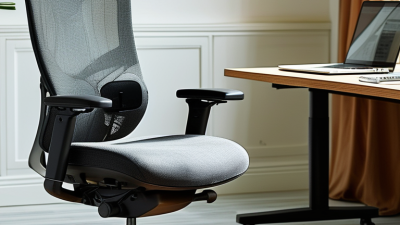
An executive office chair should support more than the lower back. A full-back design follows the spine from the pelvis to the shoulders. In my workspace, I notice the difference after a long review session. My shoulders stay relaxed, and I shift positions less often. That matters when meetings fill most of the day. Look for adjustable lumbar depth, a seat pan that supports the thighs, and armrests that keep elbows near 90 degrees. A headrest can help during brief reclined breaks, but it is not essential for every user. Fit still wins.
Commercial-grade durability depends on construction, not visual bulk. A reinforced frame, dense molded foam, smooth casters, and a stable five-point base are useful signs. Check the chair’s documented weight rating and testing information. Inspect the tilt mechanism, too. It should move smoothly without sudden drops or grinding sounds. In shared offices, replaceable casters and cushions can extend service life. Upholstery should resist abrasion and remain easy to clean. Real-world use is less gentle than a showroom test.
I once chose a chair with impressive padding and ignored seat depth. After two hours, pressure built behind my knees. That mistake changed my evaluation process. Comfort needs measurement, movement, and time. A strong chair is not automatically a good chair. It must fit the person, desk height, and daily workload.